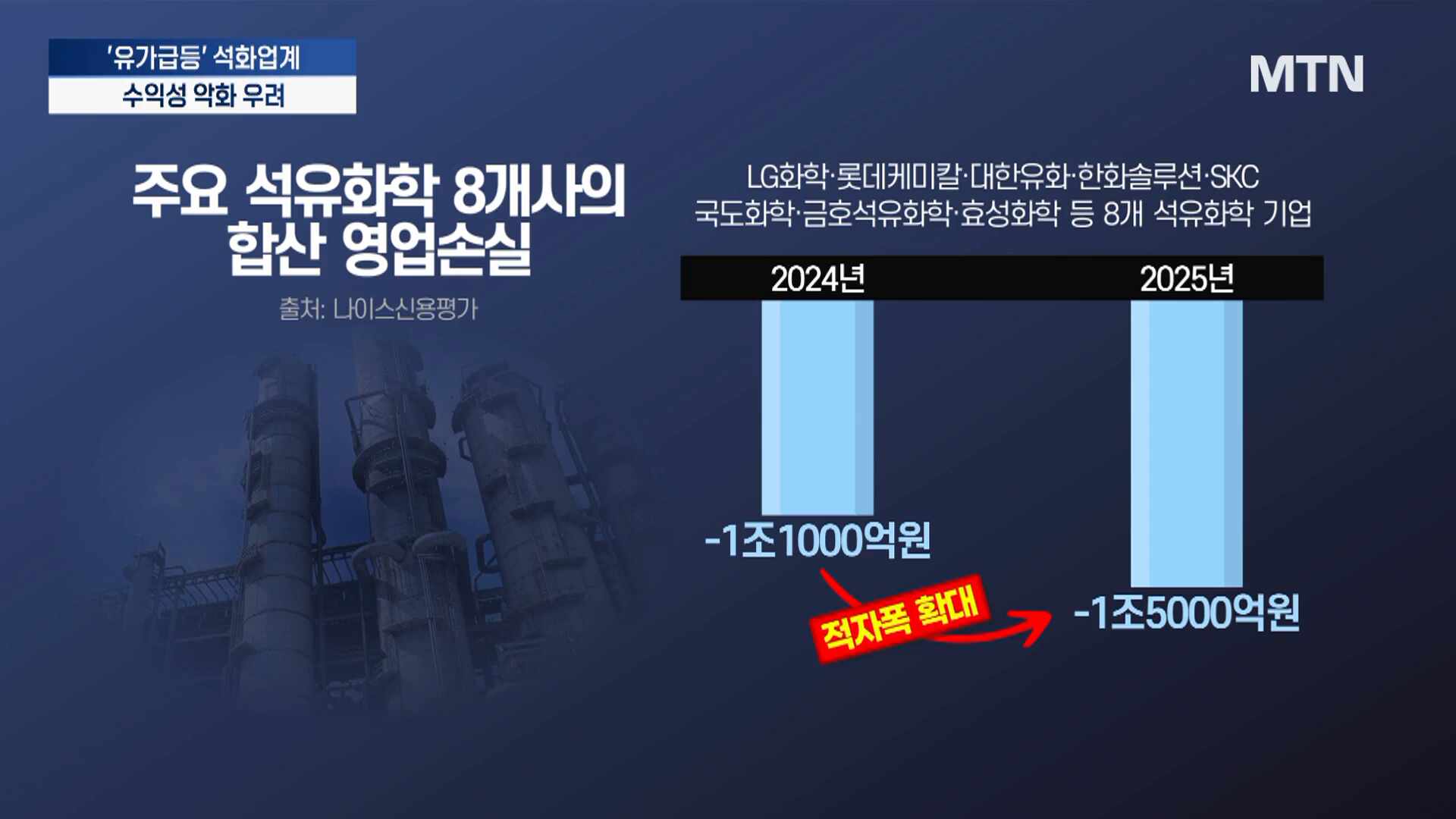
The escalating tensions in the Middle East, particularly surrounding the potential closure of the Strait of Hormuz, are sending ripples through the global petrochemical industry. While oil prices are drawing significant attention, the immediate concern for many businesses lies in securing a stable supply of naphtha, a crucial feedstock for producing essential plastics, and chemicals. South Korean petrochemical companies, heavily reliant on Middle Eastern imports, are scrambling to diversify their sourcing as the situation rapidly evolves.
Strait of Hormuz: A Critical Chokepoint for Petrochemicals
The Strait of Hormuz, a narrow waterway connecting the Persian Gulf to the Gulf of Oman and the Arabian Sea, is one of the world’s most strategically important oil transit routes. Approximately 20% of global oil supply passes through the strait daily, according to the U.S. Energy Information Administration (EIA). EIA data reveals that in 2024, roughly 20 million barrels of oil per day transited the strait. However, its importance extends beyond crude oil; it’s a vital artery for naphtha, the primary raw material for South Korea’s petrochemical sector.
South Korea’s dependence on naphtha sourced from the Middle East is substantial, with approximately 54% of its supply originating from the region. Domestic petrochemical companies utilize naphtha to produce key building blocks like ethylene and propylene, which are then used to manufacture a wide range of products, from plastics and synthetic fibers to detergents and packaging. The threat of disruption to this supply chain is prompting urgent action from both industry and government.
Immediate Impact: Naphtha Supply and Rising Costs
The recent escalation of tensions, triggered by the exchange of strikes between Iran and Israel, has heightened fears of a potential blockade of the Strait of Hormuz. Iran has reportedly attacked vessels in the region, further exacerbating concerns. Insight Korea reports that Iran has targeted over ten ships, increasing the risk to maritime traffic. Should the strait be closed, or even significantly restricted, the consequences for the petrochemical industry would be immediate and severe.
Industry experts predict that a prolonged closure would lead to a surge in naphtha prices, potentially disrupting production schedules and increasing costs for consumers. According to reports from the KyungHyang Shinmun, South Korean companies are already bracing for potential supply shortages. While the South Korean government maintains a seven-month reserve of crude oil, the industry is focused on securing alternative naphtha sources to mitigate the risk of prolonged disruption. The cost of shipping would also increase significantly, with estimates suggesting a 50-80% rise in freight rates and a 3-5 day extension in delivery times, as highlighted by Seoul Finance.
South Korea’s Vulnerability and Diversification Efforts
South Korea is particularly vulnerable due to its high reliance on the Hormuz Strait for both crude oil and naphtha imports. In 2023, South Korea imported an average of 1.7 million barrels of oil per day through the strait, ranking fourth among Asian nations after China (5.4 million barrels), India (2.1 million barrels), and Japan (1.6 million barrels), according to data cited by the KyungHyang Shinmun. This dependence underscores the urgency of diversifying supply chains.
Petrochemical companies are actively exploring alternative sourcing options, including increasing imports from Southeast Asia and the United States. However, these alternatives may come at a higher cost and require adjustments to existing production processes. Some companies are also considering converting export volumes of naphtha for domestic use, a move that could support alleviate immediate supply concerns. The government is reportedly working with industry to identify and implement these strategies.
Impact on LNG Supply
Beyond naphtha, the potential disruption to shipping through the Strait of Hormuz also raises concerns about the supply of Liquefied Natural Gas (LNG). South Korea is a major importer of LNG, and a significant portion of its supply transits the region. Any disruption could lead to higher LNG prices, impacting both industrial consumers and households. The image accompanying the KyungHyang Shinmun article shows LNG tankers docked at the Korea Gas Corporation’s Incheon production base, illustrating the importance of this energy source to the nation.
Structural Adjustments and the Broader Economic Outlook
The current crisis is accelerating a trend already underway in the petrochemical industry: a move towards structural adjustments to reduce oversupply. Companies are reassessing their production capacities and exploring opportunities for consolidation and streamlining operations. The situation is particularly challenging for smaller and medium-sized enterprises (SMEs) that may lack the resources to navigate the disruptions effectively.
While the immediate impact is being felt most acutely by the petrochemical sector, the broader economic consequences could be significant. Higher energy and raw material costs could lead to inflationary pressures, impacting consumer spending and economic growth. The government is closely monitoring the situation and considering measures to mitigate the economic fallout.
The Role of Geopolitical Factors
The ongoing conflict between Iran and Israel, and the broader geopolitical tensions in the Middle East, are the primary drivers of the current crisis. Iran’s nuclear program and its support for regional proxies have raised concerns among Western powers, leading to increased sanctions and military deployments. The potential for further escalation remains high, and the situation is highly fluid.
Looking Ahead: Monitoring Developments and Preparing for Contingencies
The coming weeks will be critical in determining the extent of the disruption to the petrochemical industry. The situation in the Strait of Hormuz remains volatile, and any further escalation could have severe consequences. South Korean companies are closely monitoring developments and preparing for a range of contingencies, including prolonged supply disruptions and significant price increases.
The government is expected to continue working with industry to coordinate a response and mitigate the economic impact. Key areas of focus will include diversifying supply chains, securing alternative energy sources, and providing support to SMEs. The next major development to watch will be any official statements from Iran regarding its intentions for the Strait of Hormuz, as well as any further actions taken by the United States and its allies in the region.
The situation underscores the interconnectedness of the global economy and the vulnerability of supply chains to geopolitical shocks. As the world navigates an increasingly uncertain landscape, resilience and adaptability will be crucial for businesses and governments alike.
Key Takeaways:
- The potential closure of the Strait of Hormuz poses a significant threat to the South Korean petrochemical industry, which relies heavily on Middle Eastern naphtha supplies.
- Companies are actively diversifying their sourcing options, but alternative supplies may be more expensive and require adjustments to production processes.
- The crisis is accelerating a trend towards structural adjustments in the petrochemical industry, with companies reassessing production capacities and exploring consolidation opportunities.
- The broader economic consequences could include higher energy prices, inflationary pressures, and slower economic growth.
We encourage readers to share their perspectives and insights on this evolving situation in the comments below. Stay tuned to World Today Journal for further updates and analysis.
Keep reading
- Joan Barniol, operador de parkings: “Hemos levantado 13 parkings y facturado más de 1,5 millones en el último año. La inteligencia artificial nos permite tener 0 empleados” – Mundo Deportivo
- L’impasse des grèves pèse également sur les avocats | le360.ma
- India Faces Steep Medal Decline at Glasgow 2026 Commonwealth Games (archyworldys.com)
- Apple Faces Lawsuit Over Fraudulent App Financial Losses (newsdirectory3.com)