Air France Reroutes Flight Amidst Escalating Tensions in the Arabian Peninsula
A flight chartered by the French government to repatriate citizens from the United Arab Emirates was forced to turn back on Thursday evening after reports of “missile fire in the area,” according to French Transport Minister Philippe Tabarot. The incident underscores the growing instability in the region and the complexities involved in safely evacuating nationals as geopolitical risks escalate. This event comes as broader concerns mount regarding the security of airspace in the Middle East, impacting both commercial and repatriation flights.
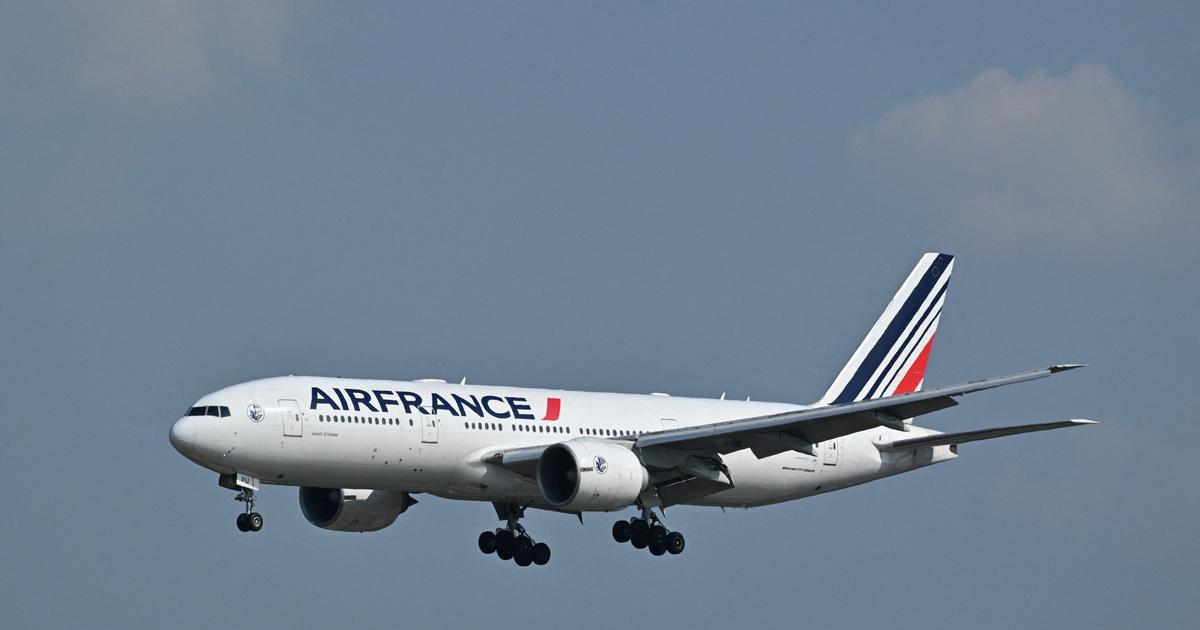
The flight, an Air France aircraft, was en route to Dubai specifically to collect French citizens when the decision to abort the mission was made. Tabarot emphasized that the safety of French citizens remains the paramount concern, stating that their return will only proceed when secure conditions can be guaranteed. The situation highlights the delicate balance between the need to assist citizens abroad and the imperative to avoid placing them in harm’s way. The French government is closely monitoring the evolving security landscape and coordinating with airlines to ensure the safest possible options for repatriation.
The incident occurred as regional tensions remain heightened following recent military strikes in Iran and the potential for further escalation. The airspace over the UAE remains closed indefinitely, disrupting travel plans for thousands and adding to the challenges of facilitating safe passage for those seeking to leave the region. This closure, coupled with restrictions on airspace over Ukraine and Russia due to the ongoing conflict, is creating significant logistical hurdles for international airlines.
Flight Path and Details of the Rerouting
According to reports, the Air France flight, identified as AFR4190, departed from Cairo, Egypt, at approximately 4:00 PM local time. It was forced to alter its course and turn back while still several kilometers from the UAE border, flying over Saudi Arabia. Flight tracking data, as captured in a screenshot circulating online, visually confirms the flight’s abrupt change in direction.
Air France confirmed the incident in a statement, citing the ongoing security situation as the reason for suspending the repatriation flight. The airline stressed that the flight was not carrying passengers at the time, its sole purpose being to position itself for the evacuation of French nationals.
The French Ministry for Europe and Foreign Affairs advises French citizens currently in the UAE to strictly follow the instructions issued by local authorities, limit their movements to essential travel, and seek shelter in the event of an alert. The ministry similarly recommends registering with the ARIANE system for updates and assistance. Those requiring consular assistance can contact the French embassy in Abu Dhabi (+971 28 13 10 01) or the consulate general in Dubai (+971 44 08 49 06). In urgent situations, French citizens can reach the crisis and support center in Paris (+33 1 43 17 51 00).
Wider Impact on Travel and Repatriation Efforts
The disruption to air travel extends beyond the immediate repatriation efforts. Tens of thousands of tourists are reportedly stranded in Gulf countries, awaiting available flights as airlines grapple with airspace closures and safety concerns. The situation is further complicated by the inability of European carriers to fly over Ukraine and Russia, adding to the strain on already limited routes. The French government is working to coordinate with airlines to increase the frequency of repatriation flights, but the process is expected to be slow and challenging given the prevailing circumstances.
The incident has also sparked debate online, with some questioning the cost of repatriating citizens who have chosen to live abroad. Social media posts have criticized the potential burden on taxpayers, with some arguing that individuals should bear the financial responsibility for their own relocation during times of crisis. However, the French government maintains that it has a duty to assist its citizens in need, regardless of their residency status. The financing of repatriation operations is a complex issue, with costs typically covered by a combination of government funds and insurance policies.
Understanding the Regional Security Context
The current situation is rooted in escalating tensions in the Middle East, fueled by recent military actions in Iran and the broader geopolitical rivalry between regional powers. The risk of missile attacks and the potential for further escalation have prompted heightened security measures across the Gulf region. The UAE, a key strategic partner of the United States and France, has been a frequent target of Houthi rebel attacks from Yemen, raising concerns about its vulnerability to missile strikes. The recent incidents underscore the fragility of the security situation and the need for continued diplomatic efforts to de-escalate tensions.
The French government has consistently urged all parties to exercise restraint and engage in dialogue to resolve their differences peacefully. France is a strong advocate for a multilateral approach to regional security, working closely with its allies to promote stability and prevent further escalation. The current crisis serves as a stark reminder of the interconnectedness of global security and the importance of international cooperation in addressing complex challenges.
Travel Advisories and Safety Recommendations
The French Ministry for Europe and Foreign Affairs currently advises against travel to the UAE, citing the ongoing security risks. For those already in the country, the ministry recommends adhering to local authorities’ instructions, limiting non-essential travel, and remaining vigilant. Travelers are also advised to ensure they have adequate travel insurance, including coverage for repatriation in case of emergency. The situation remains fluid, and travelers should stay informed about the latest developments through official channels.
The airspace closure over the UAE is expected to remain in effect until further notice. Airlines are constantly reassessing their flight schedules and routes in response to the evolving security situation. Passengers are advised to check with their airlines for the latest updates on their flights and to allow for potential delays or cancellations. The disruption to air travel is likely to persist for the foreseeable future, requiring flexibility and patience from travelers.
Key Takeaways:
- A French government-chartered Air France flight intended to repatriate citizens from the UAE was forced to turn back due to reported missile fire.
- The UAE airspace remains closed, impacting travel plans for thousands and complicating repatriation efforts.
- Regional tensions are escalating, raising concerns about the security of air travel and the potential for further conflict.
- French citizens in the UAE are advised to follow local authorities’ instructions and register with the ARIANE system.
The French government is continuing to monitor the situation closely and will provide updates as they become available. The next scheduled update from the Ministry for Europe and Foreign Affairs is expected on March 12th. We encourage readers to share their experiences and perspectives in the comments below and to share this article with anyone affected by the travel disruptions.