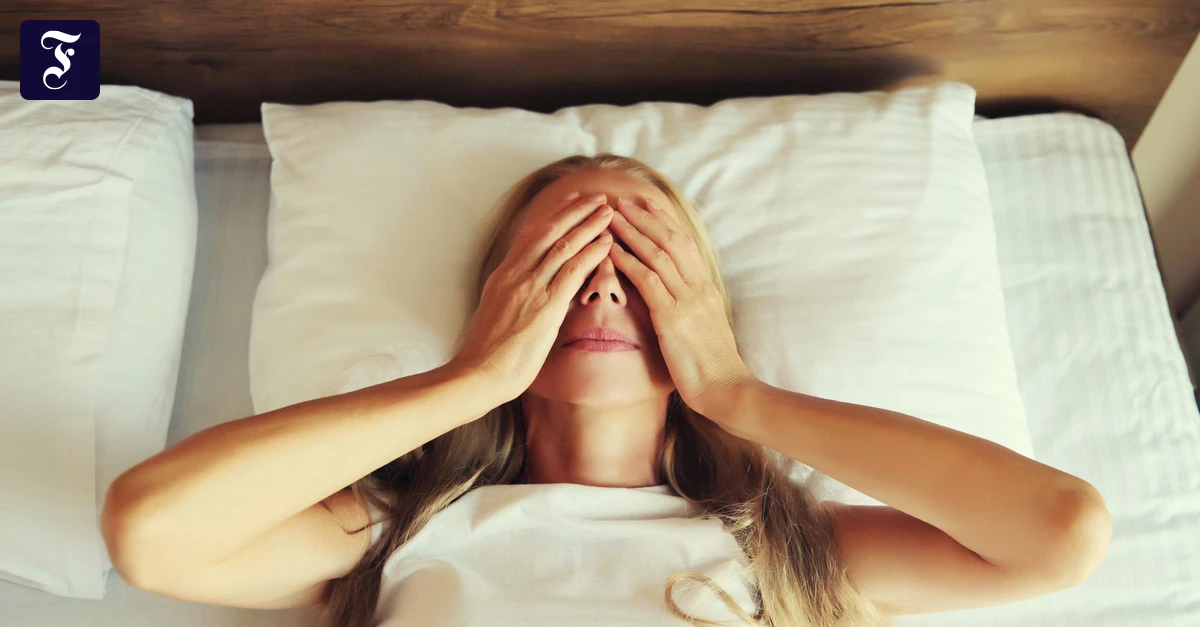
The Critical Importance of Sleep: Economic and Health Consequences of Sleep Deprivation
Sleep. It’s a fundamental human necessitate, yet often the first thing sacrificed in our increasingly demanding lives. But skimping on sleep isn’t just about feeling tired; it has profound implications for our health, our economies, and even public safety. Recent discussions highlight the growing recognition of sleep as a vital component of overall well-being, with significant economic costs associated with widespread sleep deprivation. From surgeons and truck drivers to nurses and shift workers, compromised sleep impacts performance and increases the risk of errors with potentially devastating consequences. Understanding what constitutes “good” sleep, and how to achieve it, is becoming increasingly crucial in a world grappling with a sleep crisis.
The economic burden of sleep loss is substantial. Although precise figures are challenging to pinpoint, the impact on productivity, healthcare costs, and accident rates is undeniably significant. Poor sleep costs the European economy billions, according to recent analysis, and shortens lifespans. This isn’t simply a matter of individual fatigue; it’s a systemic issue with far-reaching consequences. The ability to accurately assess and improve sleep quality is therefore not just a personal benefit, but a public health and economic imperative.
The Interplay Between Sleep and Health: A Bidirectional Relationship
The relationship between sleep and health is far from one-directional. As we age, sleep patterns naturally change, often becoming more fragmented. However, these age-related changes must be distinguished from actual sleep disorders. Morbidity and medication frequently disrupt sleep, and conversely, disturbed sleep can exacerbate existing health conditions. This creates a complex, bidirectional relationship where illness affects sleep, and poor sleep worsens illness.
Research increasingly demonstrates that sleep disturbances significantly modify the clinical presentation of many diseases. Geriatric syndromes, such as falls, depression, and dementia, are particularly vulnerable to the effects of poor sleep. In fact, addressing sleep disorders can positively influence these conditions, highlighting the potential for therapeutic intervention. A thorough diagnosis is therefore essential, recognizing that multiple sleep disorders often coexist. Initial assessment typically involves a detailed medical history and a sleep diary, but more advanced technical investigations, such as sleep studies in a laboratory setting, may be necessary, particularly when treatment decisions have significant implications for the patient.
What Constitutes “Good” Sleep? And How Can We Measure It?
Defining “good” sleep isn’t simply about the number of hours spent in bed. It’s about the quality of that sleep – the depth, the consistency, and the restorative processes that occur during sleep cycles. While individual needs vary, most adults require around 7-9 hours of quality sleep per night. However, achieving this can be challenging, particularly in today’s fast-paced world.
Fortunately, advancements in technology are making it easier to analyze and improve sleep. While professional sleep studies remain the gold standard for diagnosis, a growing number of devices and apps allow individuals to monitor their sleep patterns at home. These tools can track metrics such as sleep duration, sleep stages (light, deep, REM), heart rate variability, and movement. However, it’s essential to note that the accuracy of these devices can vary, and they should not be used as a substitute for professional medical advice.
Restoring Sleep: Strategies for Improvement
Re-establishing healthy sleep habits often requires a multifaceted approach. Here are some evidence-based strategies:
- Maintain a Consistent Sleep Schedule: Go to bed and wake up around the same time each day, even on weekends, to regulate your body’s natural sleep-wake cycle (circadian rhythm).
- Create a Relaxing Bedtime Routine: Engage in calming activities before bed, such as reading, taking a warm bath, or listening to soothing music.
- Optimize Your Sleep Environment: Ensure your bedroom is dark, quiet, and cool.
- Limit Exposure to Blue Light: Avoid screens (phones, tablets, computers) for at least an hour before bed, as the blue light emitted can interfere with melatonin production.
- Watch Your Diet and Exercise: Avoid caffeine and alcohol close to bedtime. Regular physical activity can improve sleep, but avoid strenuous exercise right before bed.
- Consider Cognitive Behavioral Therapy for Insomnia (CBT-I): This therapy helps identify and change thoughts and behaviors that contribute to sleep problems.
The Broader Implications: Social Media and Mental Health
Beyond the physiological aspects of sleep, emerging research is exploring the impact of external factors, such as social media, on mental health and sleep quality. A recent discussion paper from the Leopoldina, a German national academy of sciences, raised concerns about potential irreversible psychological damage to children and adolescents due to social media employ. While the evidence is still developing, the potential for harm is prompting calls for a more cautious approach to social media consumption, particularly among young people.
Experts are evaluating the evidence supporting these warnings and assessing the feasibility of proposed interventions. The debate highlights the complex interplay between technology, mental health, and overall well-being, and underscores the need for further research to understand the long-term effects of social media on developing brains.
The Future of Sleep Research and Intervention
Globally, clinics, investors, and laboratories are actively working to combat age-related diseases and rejuvenate both body and mind. This includes a growing focus on understanding and addressing the underlying mechanisms of sleep and aging. The potential for interventions that can improve sleep quality and gradual down the aging process is a promising area of research.
As our understanding of sleep continues to evolve, it’s clear that prioritizing sleep is not a luxury, but a necessity. Investing in sleep is an investment in our health, our economies, and our future.
The ongoing research into sleep disorders and their impact on geriatric syndromes offers hope for improved treatments and preventative strategies. Continued investigation into the relationship between sleep, morbidity, and overall health will be crucial in developing effective interventions to promote healthy aging and improve quality of life.
Stay informed about the latest developments in sleep research and healthcare by consulting reputable sources such as the National Sleep Foundation (https://www.thensf.org/) and the American Academy of Sleep Medicine (https://aasm.org/).
What are your experiences with sleep? Share your thoughts and strategies in the comments below. And please, share this article with anyone who might benefit from a better night’s rest.
Keep reading