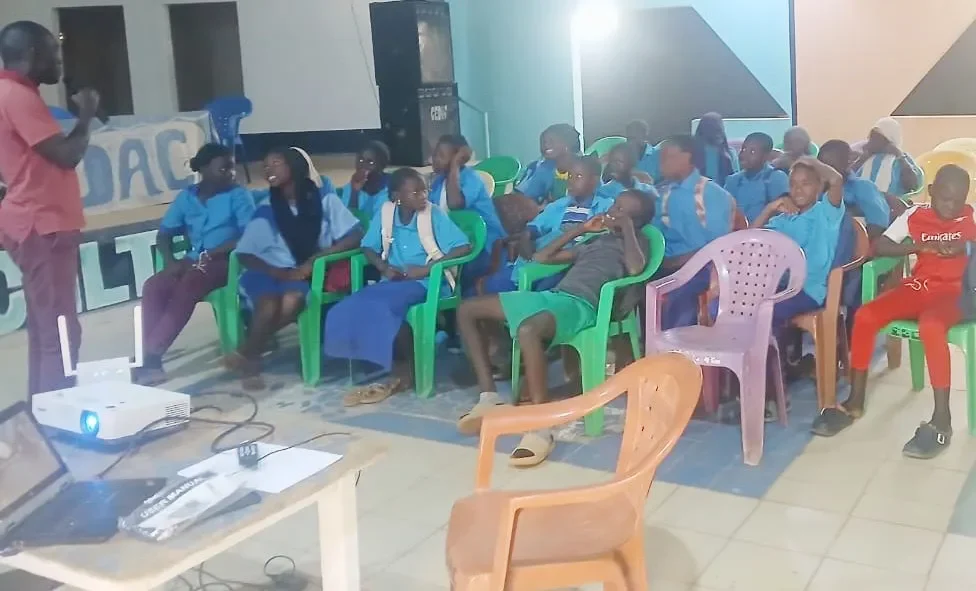
Senegalese Students Receive Digital Citizenship Education in Bignona
Bignona, Senegal – In an effort to promote responsible technology use and online safety, students in the commune of Bignona recently participated in a digital citizenship workshop organized by the local municipal library. The initiative, part of the broader “Open Biblio-Lab” project, aimed to equip young people with the knowledge and skills to navigate the digital world ethically and safely. The workshop, held on Wednesday, March 4th, addressed the importance of responsible internet usage and the potential risks associated with online platforms.
The “Open Biblio-Lab” project seeks to transform libraries into dynamic spaces for civic engagement, providing access to local data and fostering informed participation in community life. This particular session focused on empowering students to become responsible digital actors, understanding the implications of their online actions, and recognizing the potential benefits of platforms like TikTok beyond mere entertainment. The initiative underscores a growing global concern about digital literacy and the need to prepare young people for the challenges and opportunities of an increasingly connected world.
Promoting Ethical Digital Behavior
The workshop featured Abdourahmane Mané, a French teacher at Lycée Ahoune Sané and a trainer in pedagogical digital practices, as a key speaker. Mané emphasized that platforms like TikTok, often perceived as purely recreational, can serve as valuable “libraries of knowledge” if used effectively. He highlighted the importance of recognizing that the virtual world is not separate from reality, cautioning students against the misconception that anonymity online allows for irresponsible behavior. “One must not think that, when behind a keyboard, one can do anything,” Mané warned, stressing that legal frameworks govern online conduct and that abusive behavior can have real-world consequences.
According to Senegal’s Penal Code, online offenses such as defamation, incitement to violence, and the dissemination of false information are punishable by law. The Penal Code of Senegal outlines various offenses and their corresponding penalties, demonstrating the legal ramifications of online actions. Mané’s message resonated with the students, leading them to recognize the vast potential of digital tools to enhance their learning and overall effectiveness in school.
Students Ramatoulaye Otasowie and Lamine Badji, both in Seconde (10th grade) at Lycée Ahoune Sané, expressed their appreciation for the library’s initiative. Their positive feedback underscores the value of such programs in fostering a culture of responsible digital citizenship among young people. The workshop’s success highlights the crucial role libraries can play in bridging the digital divide and empowering communities with the skills needed to thrive in the 21st century.
The Debate Over Smartphones in Schools
The discussion likewise touched upon the ongoing debate surrounding the use of smartphones in schools. While some citizens advocate for a complete ban, Mané argued against a blanket prohibition, suggesting that the recent circular from the Ministry of National Education had been misinterpreted. He believes that rather than outright banning smartphones, the focus should be on regulating their use and harnessing their potential as pedagogical tools. “At a certain point, we will be obliged to regulate its use. The telephone can be a pedagogical tool,” he stated, advocating for a balanced approach that recognizes the educational benefits of technology.
The Ministry of National Education in Senegal has issued guidelines regarding the use of mobile phones in schools, aiming to strike a balance between allowing access to technology for educational purposes and minimizing distractions. Walfadjri reports that the ministry is working on clear guidelines for the use of mobile phones in schools, emphasizing the need for responsible and appropriate usage.
Open Biblio-Lab: A Wider Initiative
The workshop in Bignona is part of a larger initiative led by the Association Sénégalaise des Bibliothécaires, Archivistes et Documentaliste (ASBAD), known as the Open Biblio-Lab (OBL) project. According to a LinkedIn post by Assane Fall, the Bignona stage of the project has been launched with the support of an engaged mayor who understands the importance of access to local data. The LinkedIn post highlights the excellent work of Ndeye Fatou Diop at the Bignona municipal library.
The OBL project aims to transform libraries into vibrant hubs of civic engagement, providing young people, citizens, and community actors with access to local public data, facilitating informed discussions, and encouraging active participation in local governance. The project’s success in Bignona is marked by the official signing of partnership agreements between ASBAD and the Commune and the Bignona municipal library, establishing a pilot Open Biblio-Lab within the library itself. This collaborative effort demonstrates a commitment to empowering communities through access to information and fostering a more democratic and participatory society.
L’étape de #Bignona est déclenchée et promet d’être une grande réussite ! Nous avons rencontré un Maire engagé et qui comprend parfaitement les questions d’accès aux données locales. Merci pour l’accueil. Mention spéciale à notre collègue et sister Ndeye Fatou Diop pour l’excellent travail qu’elle est entrain de mener à la #bibliothèque communale de Bignona. 📚 L https://t.co/bzq1
— Assane Fall (@azoubig) March 6, 2024
The Open Biblio-Lab project represents a significant investment in digital literacy and civic engagement in Senegal. By empowering communities with access to information and fostering a culture of responsible technology use, the project is laying the foundation for a more informed, participatory, and democratic future. The initiative in Bignona serves as a model for other communities across Senegal and beyond, demonstrating the transformative potential of libraries as hubs of digital innovation and civic empowerment.
The next step for the Open Biblio-Lab project involves expanding to other communities in Senegal, building on the success of the pilot program in Bignona. ASBAD plans to continue working with local governments and libraries to establish Open Biblio-Labs across the country, providing access to digital resources and fostering a culture of civic engagement. Readers interested in learning more about the Open Biblio-Lab project can visit the ASBAD website for updates and information on upcoming initiatives.
What are your thoughts on the role of libraries in promoting digital literacy? Share your comments below and help us continue the conversation.
Worth a look