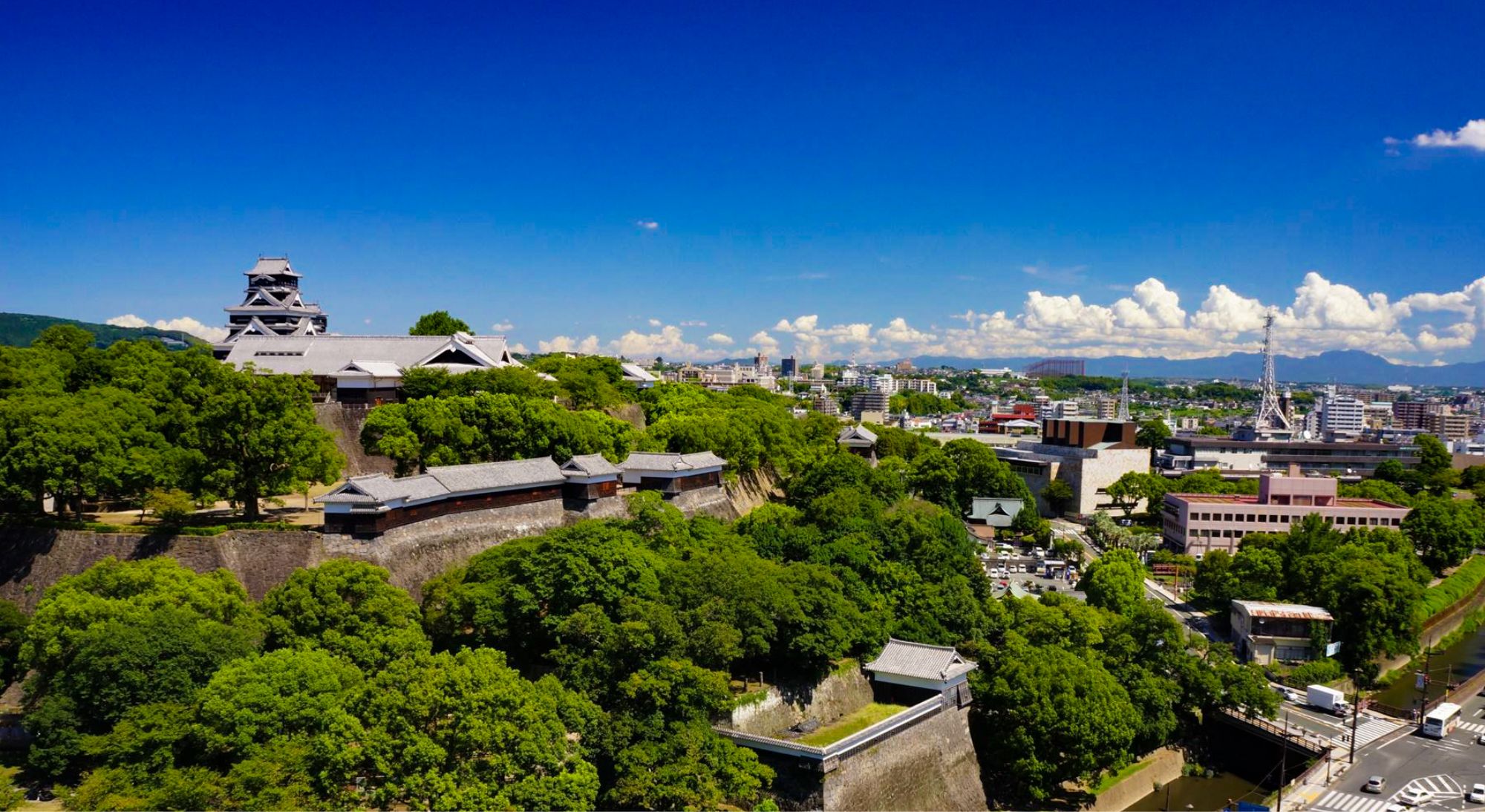
The death toll from the 2016 Kumamoto earthquakes has risen to 38 following the suspected classification of Japan’s first disaster-related death linked to heatstroke during prolonged car camping. Japanese authorities are urgently shifting focus toward preventing secondary fatalities as vulnerable evacuees face sweltering conditions in temporary accommodations.
Chief Cabinet Secretary Yoshihide Suga emphasized the government’s pivot toward disaster-related death prevention during emergency briefings, highlighting the acute risks faced by elderly residents living in automobiles and makeshift shelters. According to reports from the Nihon Keizai Shimbun, the latest fatality involves a 70-year-old individual who died following prolonged stays in a vehicle, marking a grim milestone in how post-earthquake conditions continue to claim lives weeks after the initial tremors shook the region.
As recovery efforts persist across Kumamoto Prefecture, local municipalities and national agencies are scrambling to deploy countermeasures against rising temperatures. Disaster management officials note that managing the health of displaced residents remains an immense logistical challenge as summer heat sets in prematurely across southwestern Japan.
Rising Temperatures Threaten Vulnerable Evacuees in Kumamoto
The physical toll on survivors sheltering in cars has alarmed public health officials and local municipal workers. According to coverage by the Asahi Shimbun, the 70-year-old victim’s death highlights the lethal dangers of vehicle-based evacuation, where poor ventilation and soaring daytime temperatures create extreme heatstroke risks. Evacuees who lived through previous major seismic events report that current weather conditions feel markedly harsher than past disasters.
One displaced resident who experienced car camping during a major earthquake a decade ago told the Yomiuri Shimbun that the intensity of the current heat is noticeably worse, describing the physical environment inside parked vehicles as stifling and exhausting. Municipal officials in the disaster zone admitted that maintaining a complete accounting of every resident sleeping in vehicles remains difficult, complicating targeted welfare checks and medical outreach.
In response to the mounting casualties, local authorities and disaster relief organizations have intensified warnings regarding heat-related illnesses. Emergency management teams are distributing portable cooling supplies and urging residents to abandon unsafe vehicle shelters in favor of official evacuation centers equipped with proper climate control.
Government Action and Shelter Infrastructure Upgrades
National authorities have stepped up intervention to support municipal governments struggling with the dual burdens of structural repairs and evacuee health management. According to reports from the Mainichi Shimbun, large-scale industrial air conditioning units are being rapidly installed inside public evacuation centers across Kumamoto to accommodate displaced citizens fleeing dangerous heat in cars and damaged homes.
The Cabinet Secretariat has instructed local disaster response headquarters to prioritize environmental improvements within shelters, ensuring that elderly and chronically ill residents have access to cool, stable indoor environments. Public health nurses and volunteer medical teams are conducting daily patrols of parking lots and unofficial campsites to identify individuals suffering from early symptoms of heat exhaustion.
Despite these measures, officials caution that the full scale of secondary health risks remains difficult to quantify. The distinction between direct earthquake trauma and disaster-related deaths—such as stress-induced illnesses, exacerbations of chronic conditions, and heatstroke—involves rigorous medical and legal reviews by local boards before official classification is finalized.
Official Guidance and Next Steps for Evacuees
Local authorities continue to update safety advisories for residents affected by the Kumamoto earthquakes. Evacuees currently residing in vehicles or damaged structures are urged to utilize designated public shelters where cooling infrastructure, medical support, and regular hydration supplies are actively maintained.
The next official update from the Kumamoto Prefectural disaster response headquarters regarding casualty classifications and shelter capacity adjustments is scheduled for the upcoming week. Residents seeking verified information on shelter locations, medical aid stations, and disaster relief grants are encouraged to consult official municipal portals and emergency broadcast updates issued by the Prime Minister’s Office of Japan.
- School Suspensions in Chile: Latest Updates on Class Cancellations Due to Storms
- General Masiello Answers Alemanno: The Army Belongs to the Homeland, Not Politics
- Phil Collins Opens Up About Near-Death Alcohol Struggle and Personal Life Challenges (world-today-news.com)
- The Death of the Polished Instagram Feed: The Rise of Casual Content (newsdirectory3.com)