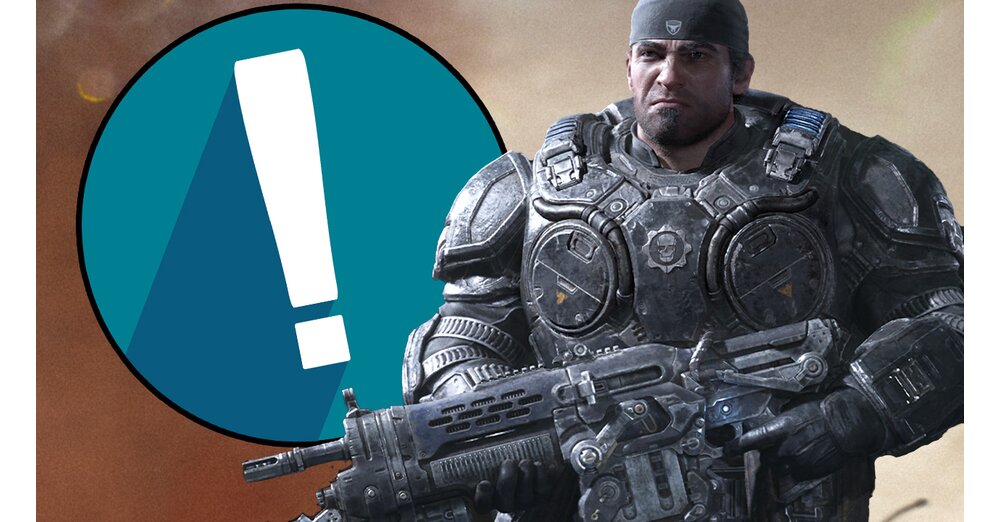
The original Xbox 360 launch of Epic Games’ Gears of War in November 2006 introduced millions of players to a gritty, cooperative third-person shooter style that fundamentally changed online console culture, according to historical industry records and developer retrospectives. For many early adopters, the title served as an introduction to long-form competitive multiplayer and cooperative campaigns over Xbox Live.
Released by Microsoft Game Studios on Nov. 7, 2006, in North America, the title developed by Epic Games relied on the Unreal Engine 3 framework to deliver breakthrough graphical fidelity and mechanics for the seventh console generation. Players stepped into the boots of Marcus Fenix and Delta Squad, battling the Locust Horde across a ruined planet known as Sera. Beyond the campaign, the multiplayer suite—featuring modes like Execution and Warzone—forged lasting digital communities that endured for thousands of hours of gameplay per user.
As modern gaming looks back at the lasting footprint of the Xbox 360 era, the community bonds and technical achievements of the original Gears of War remain a benchmark for tactical team-based combat. Examining how the franchise shaped modern online ecosystems provides vital context for the evolution of the genre.
The Technical and Cultural Impact of Xbox Live in 2006
When Gears of War launched, Xbox Live was entering a crucial growth phase on the Xbox 360 hardware. The platform’s integrated voice chat and matchmaking lobbies transformed how friends and strangers connected online. According to data from Microsoft, the title achieved significant player engagement milestones rapidly, reaching millions of unique users within its first few weeks on the market.
The game’s signature mechanics—such as the active reload system and tactical cover-based shootouts—demanded precise communication and coordination. These design choices fostered tight-knit groups of players who returned night after night. Long-term veterans often recall specific matches, map layouts like Fuel Depot and Clocktower, and the intense rivalry between Locust and COG teams as defining moments of their early online experiences.
Industry analysts note that the title proved third-person shooters could achieve massive commercial and competitive success on home consoles, paving the way for subsequent esports integration on the platform. The transition from local split-screen play to robust global matchmaking helped cement subscription-based online services as an industry standard.
Evolution of the Franchise and Modern Accessibility
Following the success of the 2006 debut, the series expanded through multiple sequels developed initially by Epic Games and later managed by The Coalition, a studio established by Microsoft. Titles such as Gears of War 2 and Gears of War 3 refined the multiplayer formula, introducing horde modes and expanded rosters that kept communities engaged for years.
For players looking to revisit these classic experiences, Microsoft has maintained backward compatibility features across newer hardware generations, allowing owners of original Xbox 360 discs or digital versions to play on modern Xbox consoles. Additionally, the release of Gears of War: Ultimate Edition in 2015 brought modernized visuals and refined 60-frames-per-second multiplayer back to contemporary audiences, as documented by official Xbox announcements.
Official updates and community discussions regarding the franchise can be followed through Xbox Wire and the official Gears of War website, where developers regularly share retrospective content and technical support guides for legacy titles.
Players and community members are encouraged to share their own memories and experiences of early Xbox Live multiplayer sessions in the comments below.
Worth a look