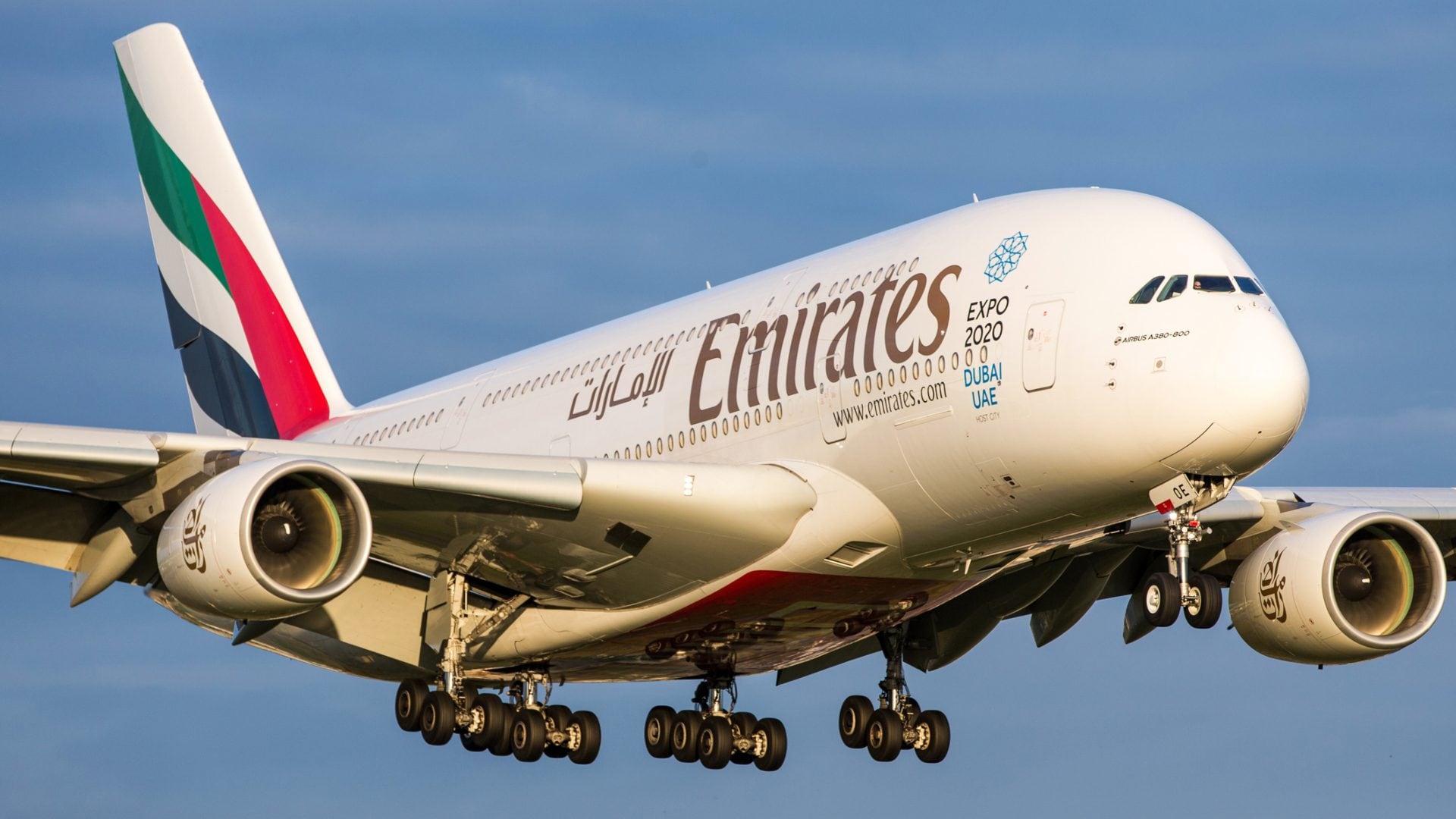
The global aviation landscape is facing significant disruption as escalating tensions in the Middle East, following retaliatory strikes between the United States and Israel and subsequent responses from Iran, send shockwaves through the travel industry. Beyond the immediate challenges of rebooking flights and navigating airspace closures, a dramatic surge in airfare prices is adding considerable financial strain for travelers. The situation, unfolding rapidly, has led to widespread flight cancellations, airport closures and the rerouting of numerous flights, impacting hundreds of thousands of passengers worldwide.
The current crisis stems from the recent exchange of attacks, prompting airlines to prioritize safety by avoiding airspace over conflict zones. This has created a ripple effect, causing significant congestion on alternative routes and driving up demand – and prices – for available seats. The disruption isn’t limited to direct flights; connecting flights are also heavily affected, with limited availability and extended travel times becoming the norm. Passengers are facing a complex web of challenges, from understanding their refund rights to simply finding a way to reach their destinations.
Soaring Airfares: A Dramatic Increase in Travel Costs
The impact on airfare prices has been particularly acute. Reports indicate a staggering increase in costs, with some routes experiencing exponential jumps in just a matter of days. According to data analyzed by the Corriere della Sera, a minimum fare for a flight from Singapore to Milan on March 2nd was approximately €254. By March 3rd, that same ticket had soared to €1,876 – a 639% increase. Similar trends were observed on other key routes, including Singapore to London, which rose from €261 to €1,564 (a 499% increase), and Singapore to Frankfurt, witnessing the most dramatic surge, climbing from €398 to €7,582 – an astonishing 1,805% increase. Hong Kong to Milan saw a 232% increase, while flights from Hong Kong to Frankfurt and Paris increased by 905% and 295% respectively. Even routes with comparatively smaller increases, like Bangkok to Milan, experienced an 84% price hike in just 24 hours.
The situation is further compounded by the limited availability of alternative routes. Major hubs in the Gulf region, including Dubai, Doha, and Abu Dhabi, are significantly impacted, as they are critical transit points for global air travel. Cirium, a specialist in aviation data and analytics, estimates that approximately 10% of global air traffic passes through these hubs. Cirium’s data highlights the scale of the disruption, with 1,800 flights grounded on February 28th and a further 3,000 on March 1st.
Airline Responses and Rerouting Strategies
Airlines are actively responding to the crisis by rerouting flights to avoid affected airspace. This often involves longer flight paths and increased fuel consumption, contributing to the rising ticket prices. Many carriers have announced they will continue to avoid the airspace over countries directly involved in the conflict, including Israel, Iran, Lebanon, Jordan, Iraq, Qatar, Kuwait, Bahrain, and the United Arab Emirates. ITA Airways, the Italian flag carrier, confirmed it would avoid these airspace regions until at least March 8th. ITA Airways’ website provides updated information on flight disruptions and rerouting policies.
The rerouting has led to increased demand for flights through alternative hubs, particularly in China. Chinese airlines are absorbing a significant portion of the diverted traffic. However, this shift is not without its challenges, as capacity is limited and demand is high. Passengers are facing longer layovers and increased competition for available seats. The surge in demand is particularly noticeable on routes from Asia to Europe, as travelers scramble to find alternative ways to return home or continue their journeys.
Passenger Experiences and Financial Burden
The impact on passengers is significant, both in terms of travel disruptions and financial burden. Stories are emerging of travelers facing exorbitant prices for last-minute flights. One individual, Francesco, shared his experience with Fanpage.it, detailing how he was quoted €10,000 for six people to return to Italy from Sri Lanka, with the earliest available departure date being March 12th. This highlights the desperation faced by many stranded travelers and the financial strain imposed by the crisis.
The situation is also impacting those traveling for business. Companies are facing increased costs for employee travel, and many are scrambling to find alternative arrangements for essential trips. The uncertainty surrounding the conflict is making it difficult to plan future travel, and businesses are bracing for further disruptions.
Understanding Your Rights and Seeking Refunds
Passengers whose flights have been cancelled or significantly delayed due to the conflict are generally entitled to a full refund or alternative travel arrangements. The International Air Transport Association (IATA) provides comprehensive information on passenger rights and airline obligations. Many airlines are offering flexible rebooking policies, allowing passengers to change their travel dates without incurring additional fees. However, navigating these policies can be complex, and passengers are encouraged to contact their airline directly for assistance.
Broader Economic Implications
The disruption to air travel is not limited to the immediate impact on passengers and airlines. The crisis is also expected to have broader economic implications, particularly for the tourism industry. Reduced air travel will likely lead to a decline in tourism revenue for destinations in the Middle East and beyond. The increased cost of air freight will impact global supply chains, potentially leading to higher prices for goods.
The conflict is also contributing to rising oil prices, which will further exacerbate inflationary pressures. The price of Brent crude oil has already seen an increase in recent days, and analysts predict that prices could continue to rise if the conflict escalates. This will have a ripple effect on various sectors of the economy, including transportation, manufacturing, and energy.
As the situation in the Middle East remains volatile, the disruption to air travel is likely to persist. Passengers are advised to stay informed about the latest developments and to check with their airlines for updates on flight schedules and travel advisories. The coming days and weeks will be critical in determining the long-term impact of this crisis on the global aviation industry and the wider economy.
The situation remains fluid, and further developments are expected in the coming days. Continued monitoring of airspace restrictions, airline policies, and geopolitical events will be crucial for travelers and industry stakeholders alike. The next key development to watch will be any potential easing of tensions in the region and the reopening of previously closed airspace. We encourage readers to share their experiences and insights in the comments below.