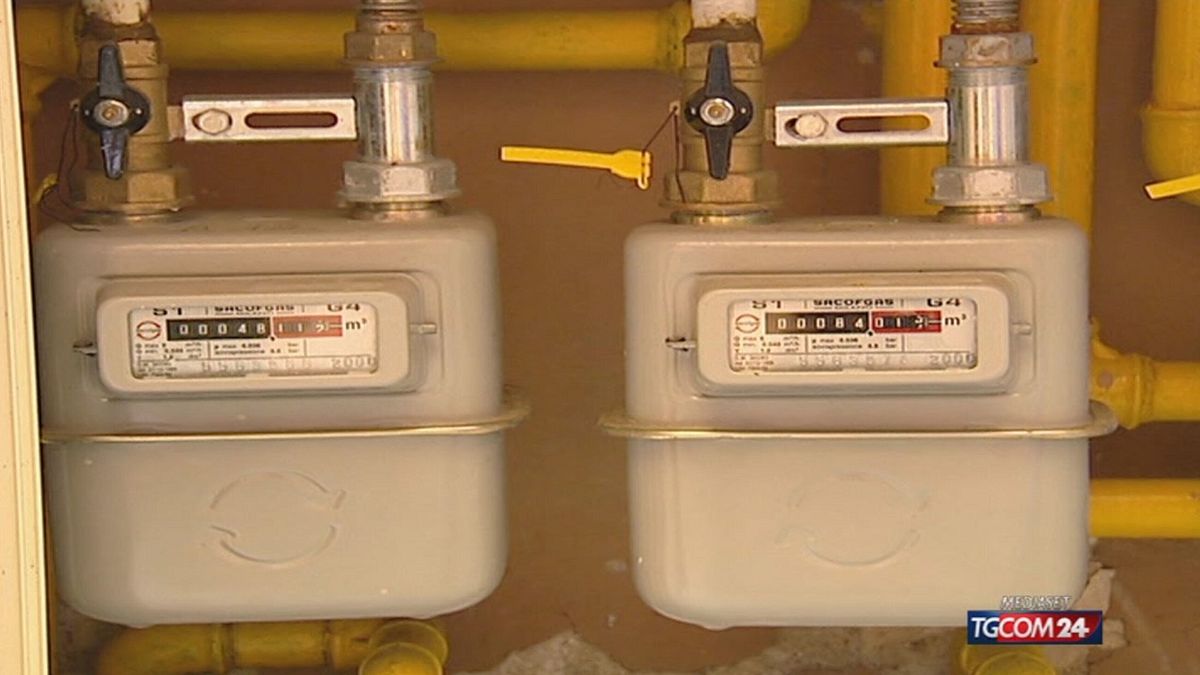
London, United Kingdom – Consumers across Europe are poised to see a slight reprieve in their energy bills as Italy’s energy regulator, ARERA, announced a 15% reduction in a component of gas transportation costs. The move, announced on March 5, 2026, aims to mitigate the impact of ongoing geopolitical tensions and volatile natural gas prices on households and businesses as they prepare for the upcoming winter. This adjustment to the CRVI tariff, a component covering costs for gas consumption reduction projects, comes at a critical time for energy markets globally.
The decision by ARERA reflects a broader concern among European regulators about energy affordability amidst persistent instability. While global gas prices remain sensitive to geopolitical events, particularly those impacting key supply routes, this intervention demonstrates a proactive approach to shielding consumers from the full brunt of market fluctuations. The reduction, effective from October 1, 2026, to September 30, 2027, will lower the CRVI component from 0.721 cents of euro/Smc to 0.613 cents of euro/Smc, offering a small but welcome reduction for gas users.
ARERA’s Intervention: A Response to Global Energy Concerns
The reduction in the CRVI tariff is not a standalone event but rather part of a larger strategy implemented by ARERA through its newly established Energy Vigilance Unit. According to the official deliberation (62/2026/R/GAS), the unit was created to address the challenges posed by international energy market volatility. The regulator cited ongoing geopolitical tensions as the primary driver behind the risk of increased wholesale gas prices, prompting the exceptional intervention.
This isn’t the first time ARERA has taken steps to manage energy costs for Italian consumers. The regulator frequently adjusts tariffs to reflect market conditions and government policies. Yet, the specific leverage of funds from the interruptibility service net balance for 2024/2025 to finance this reduction is noteworthy. This demonstrates a willingness to utilize available resources creatively to avoid placing further financial burden on consumers. The interruptibility service allows for the temporary reduction of gas consumption from large industrial users in times of peak demand or supply shortages, and the resulting financial surplus is being redirected to support affordability.
Impact on Consumers and Businesses
The 15% reduction in the CRVI component will affect both residential and commercial gas consumers in Italy. While the exact amount of savings will vary depending on individual consumption patterns, the move is expected to provide some relief, particularly for households facing rising living costs. The impact on businesses, especially those heavily reliant on gas for industrial processes, could be significant, potentially helping to maintain competitiveness and prevent further inflationary pressures.
However, it’s important to note that the CRVI component represents only a portion of the total gas bill. Other factors, such as wholesale gas prices, transportation costs, and taxes, also contribute to the final amount consumers pay. While this reduction is positive, It’s unlikely to fully offset the potential for higher prices driven by geopolitical events or increased demand. As reported by Il Sole 24 Ore Radiocor, the value of the component will fall to 0.613 cents, down from the previous rate.
Geopolitical Factors and Market Volatility
The decision by ARERA is inextricably linked to the broader geopolitical landscape. Ongoing conflicts and tensions in key energy-producing regions continue to disrupt supply chains and create uncertainty in the market. The potential for further escalation, particularly in areas with significant gas reserves, remains a major concern for energy regulators across Europe. These concerns are driving a renewed focus on energy security and diversification of supply sources.
The European Union has been actively pursuing strategies to reduce its reliance on Russian gas, including increasing imports from alternative suppliers such as Norway, Algeria, and the United States. Investments in renewable energy sources and energy efficiency measures are also seen as crucial steps towards achieving greater energy independence. However, these efforts take time to materialize, and in the short term, Europe remains vulnerable to disruptions in gas supply.
The Role of the Energy Vigilance Unit
The establishment of the Energy Vigilance Unit by ARERA underscores the growing importance of proactive monitoring and intervention in the energy sector. The unit is tasked with identifying potential risks to energy security and affordability and developing strategies to mitigate their impact. This includes analyzing market trends, assessing geopolitical developments, and coordinating with other regulatory bodies.
The unit’s work is particularly crucial in the context of the energy transition. As Europe moves towards a more sustainable energy system, new challenges and opportunities will emerge. The Energy Vigilance Unit will play a key role in ensuring that this transition is managed effectively and that consumers are protected throughout the process. TGCOM24 reports that the authority is prioritizing the mitigation of market volatility’s impact on final energy spending.
Looking Ahead: Future Challenges and Opportunities
While the 15% reduction in the CRVI tariff is a positive step, significant challenges remain. The long-term outlook for gas prices remains uncertain, and further geopolitical shocks could easily reverse the recent gains. The transition to a low-carbon energy system will require substantial investments and policy changes, which could create new costs for consumers.
However, We find also opportunities to improve energy efficiency, develop new technologies, and diversify supply sources. Continued investment in renewable energy, coupled with smart grid infrastructure and energy storage solutions, could help to reduce Europe’s reliance on fossil fuels and create a more sustainable energy future. The success of these efforts will depend on close cooperation between governments, regulators, and the private sector.
Key Takeaways
- ARERA has reduced the CRVI tariff component of gas bills by 15% for the period October 1, 2026 – September 30, 2027.
- The reduction is a response to ongoing geopolitical tensions and the risk of rising wholesale gas prices.
- The move is expected to provide some relief to both residential and commercial gas consumers in Italy.
- ARERA’s Energy Vigilance Unit will play a key role in monitoring and mitigating future energy risks.
The next key date to watch is September 30, 2027, when the current tariff adjustment period ends and ARERA will reassess market conditions and determine whether further interventions are necessary. Consumers should continue to monitor their energy bills and explore options for reducing their consumption. The regulator will likely publish updated assessments of the energy market in the coming months, providing further insights into the outlook for gas prices and energy affordability.
Do you have thoughts on how this change will affect you? Share your comments below, and let’s continue the conversation. Don’t forget to share this article with your network to keep them informed about the latest developments in the energy sector.
Worth a look