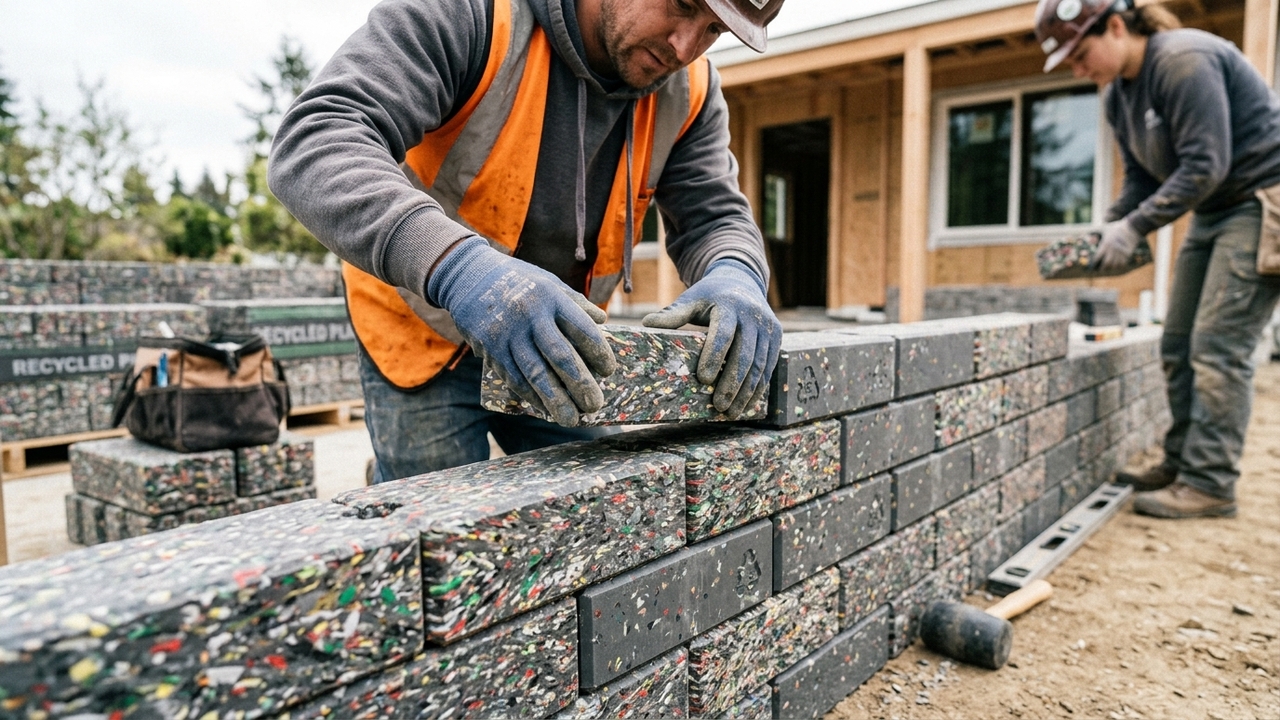
Global sustainable housing and modular construction initiatives are rapidly transforming how communities address severe infrastructure deficits and environmental waste. Across international markets, innovative manufacturing techniques are turning discarded post-consumer materials into durable building components that assemble with the speed and precision of interlocking toy blocks. These developments offer scalable models for building everything from classrooms in West Africa to rapid-assembly residential units in urban centers.
At the center of this movement are patented modular building systems engineered to divert millions of plastic containers from landfills, waterways, and oceans. By converting everyday waste—such as discarded polyethylene terephthalate (PET) bottles and river-borne plastics—into high-strength structural elements, green-tech enterprises are reducing construction timelines drastically while simultaneously tackling local waste crises.
Transforming Plastic Waste Into Interlocking Building Blocks
The core innovation behind these rapid-construction methods lies in engineered composite materials molded into modular shapes. Rather than relying on traditional timber, bricks, or heavy concrete blocks, these building systems utilize components manufactured from recycled polymers. These modules frequently feature hollow, interlocking designs that snap together securely without requiring traditional mortar or complex heavy machinery.
Manufacturing facilities utilize advanced processing techniques, including specialized extrusion and 3D-printing technologies, to turn heterogeneous waste streams into standardized structural parts. In various global deployments, these lightweight blocks provide exceptional load-bearing capacity. According to industry reports and structural engineering analyses, certain triangular modular configurations can support extensive spans while diverting hundreds of plastic bottles per square meter of construction.
Addressing Housing and Educational Deficits Globally
The practical applications of recycled-plastic modular construction extend far beyond experimental green architecture. In regions plagued by severe shortages of educational facilities, modular systems have proven particularly transformative.
International projects have successfully converted thousands of tons of plastic waste into hundreds of functional school buildings. By streamlining supply chains and removing the need for conventional, carbon-intensive materials, builders can erect secure community structures and residential housing units in a fraction of traditional timeframes—in some instances, completing structural shell assemblies in under a week.
Overcoming Logistical and Regulatory Hurdles
Outlook for Sustainable Modular Architecture
The convergence of advanced recycling technologies and modular design principles points toward a more resource-efficient future for the global construction industry.
What are your thoughts on using recycled plastic for modern housing and infrastructure? Join the conversation and share your perspective in the comments below.