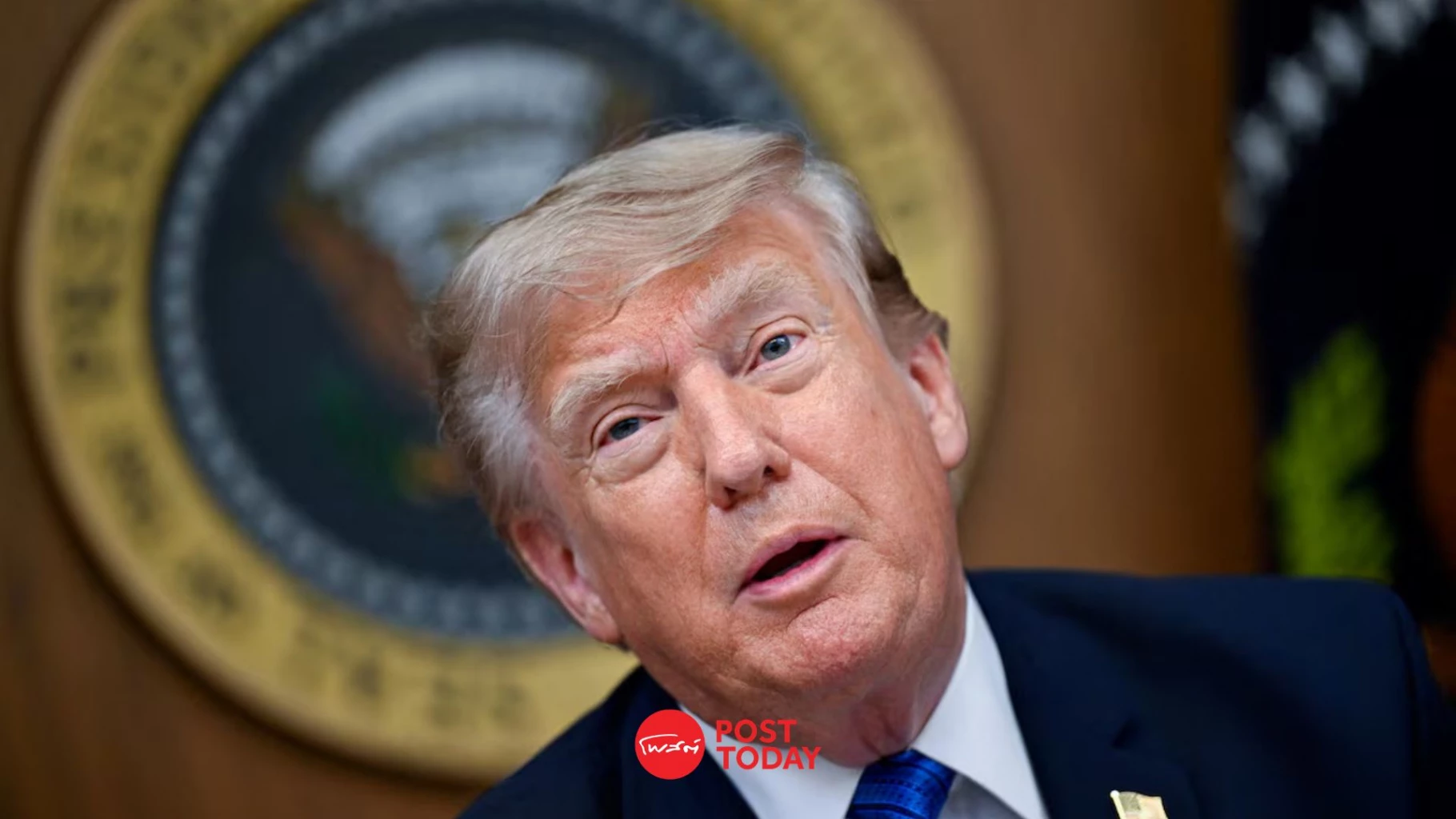
Capital One closed more than 300 bank accounts linked to Donald Trump, his family members, and affiliated business entities following internal risk reviews regarding potential money laundering vulnerabilities. The mass account closures, reported across multiple financial regulatory and investigative disclosures, underscore the stringent compliance protocols major banking institutions enforce when managing high-profile politically exposed persons and their associated commercial networks.
According to regulatory compliance filings and banking disclosures, the financial institution initiated the account reviews as part of routine anti-money laundering (AML) protocols and risk mitigation strategies. Financial institutions are legally mandated under the Bank Secrecy Act to monitor transactions closely, especially when dealing with high-net-worth clients whose political visibility or complex corporate structures present heightened compliance risks.
The decision to shutter over 300 accounts highlights the friction that often arises between traditional banking compliance departments and prominent political figures. While representatives for the former president and his businesses have frequently criticized major financial institutions for alleged political bias, banking regulators and compliance experts maintain that such administrative actions stem strictly from risk assessment matrices and internal governance requirements.
Understanding Capital One Anti-Money Laundering Protocols
Under federal regulations enforced by the Financial Crimes Enforcement Network (FinCEN), banks operating within the United States must implement robust Know Your Customer (KYC) procedures and continuous transaction monitoring systems. When an entity is classified as a Politically Exposed Person (PEP), compliance teams subject their accounts to enhanced due diligence.
According to banking governance guidelines, financial institutions evaluate accounts based on several risk indicators, including sudden transaction volume shifts, complex international wire transfers, and corporate structures involving numerous shell companies or trusts. When internal risk algorithms flag potential vulnerabilities that exceed a bank’s institutional risk tolerance, compliance officers retain the unilateral authority to terminate banking relationships and close accounts.
Capital One has not publicly detailed the specific transaction anomalies that triggered the review of the Trump-affiliated accounts, citing client confidentiality and privacy regulations governing consumer and commercial banking relationships. However, industry analysts note that large-scale closures typically follow a comprehensive audit of corporate registries and beneficial ownership disclosures.
Impact on Trump Organization Operations and Business Entities
The closure of more than 300 accounts required corporate treasurers and financial managers associated with the Trump Organization to rapidly transition their commercial operations to alternative financial institutions. Managing payroll, property revenues, and vendor payments across a sprawling real estate and hospitality conglomerate necessitates stable banking infrastructure.
Corporate restructuring in response to banking restrictions is not uncommon for high-profile enterprises facing heightened regulatory scrutiny. Legal and financial advisors working with politically exposed clients frequently establish multi-institution banking strategies to mitigate the operational risks associated with sudden account closures by individual commercial lenders.
Federal oversight agencies continue to review how major commercial banks handle compliance enforcement regarding political figures. Banking committees in Congress periodically examine whether financial institutions apply anti-money laundering standards consistently across partisan lines or if compliance departments exhibit over-caution when dealing with controversial public figures.
Regulatory Framework and Future Compliance Reviews
The enforcement actions taken by Capital One reflect broader trends within the global banking sector, where regulatory pressure from bodies such as the Office of the Comptroller of the Currency (OCC) has intensified significantly in recent years. Banks face multi-million dollar penalties for failing to detect suspicious financial flows, creating a strong institutional incentive to err on the side of caution when managing complex accounts.
Compliance officers emphasize that closing an account does not inherently constitute an accusation of criminal wrongdoing. Rather, it represents a commercial decision by a private institution to sever ties when the perceived compliance burden or regulatory risk outweighs the profitability of the banking relationship.
Further developments regarding banking transparency and compliance standards for politically exposed persons are expected as federal oversight committees schedule forthcoming hearings on financial sector regulations. Stakeholders and researchers monitoring corporate governance can review ongoing updates through official regulatory portals maintained by FinCEN and the Federal Reserve.
What are your thoughts on how major banks balance compliance risks with politically exposed clients? Join the discussion in the comments below and share this report.
Worth a look