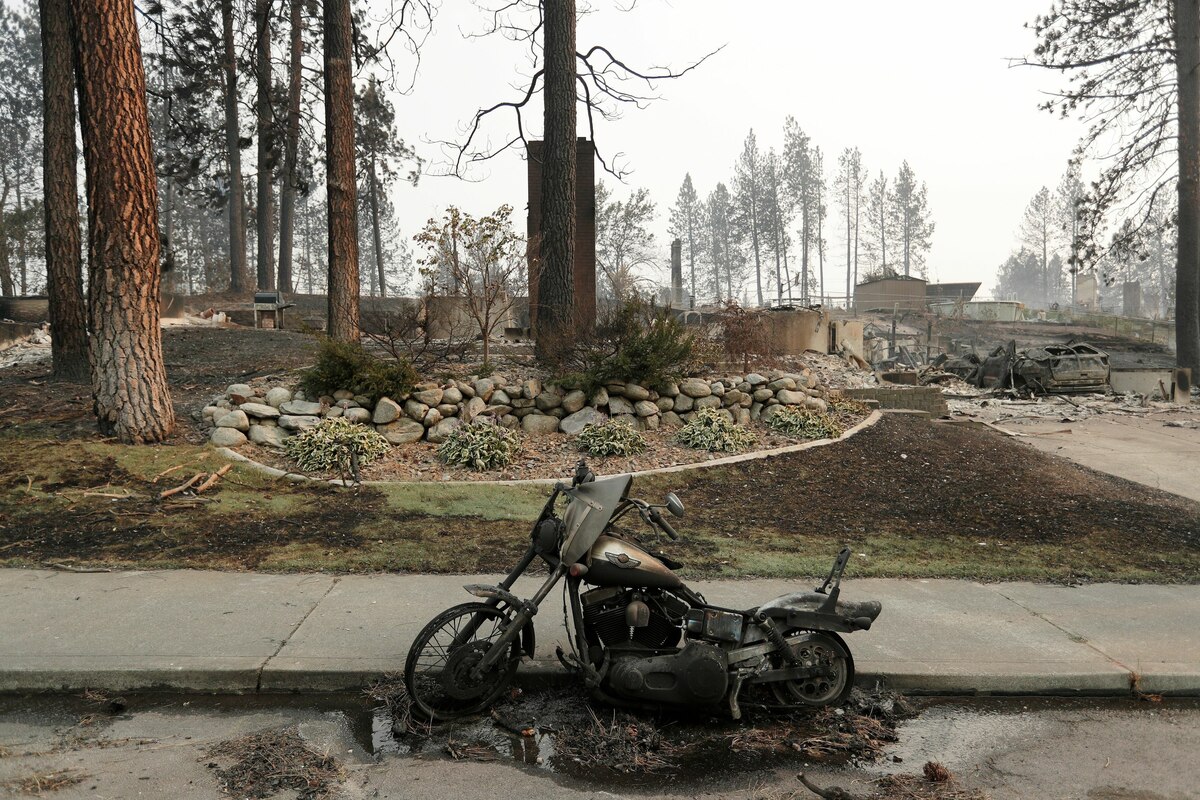
A destructive wildfire tore through parts of Spokane, Washington, threatening residential neighborhoods, forcing urgent evacuations, and leaving local emergency services scrambling to contain fast-moving flames driven by high winds and dry seasonal conditions. The blaze, which impacted heavily populated sectors of the Pacific Northwest city, prompted local authorities to issue immediate safety warnings and mobilize firefighting assets from across the region to protect infrastructure and residential areas.
According to reports from local emergency management officials, the rapid spread of the fire caught many residents by surprise as smoke blanketed the urban area. Fire crews worked through changing weather conditions to establish containment lines, protect endangered structures, and assist residents fleeing the affected zones. The incident drew an immediate response from municipal and state agencies, highlighting the growing vulnerability of urban-wildland interfaces during severe seasonal fire events.
As recovery efforts get underway, municipal authorities and disaster response teams are assessing the full scope of property damage and utility disruptions caused by the inferno. Emergency services continue to monitor hotspots in and around the affected neighborhoods, while local leaders urge residents to remain vigilant as air quality advisories and infrastructure evaluations remain in effect across Spokane.
Emergency Response and Evacuation Efforts in Spokane
Local emergency response teams mobilized quickly as the wildfire advanced toward residential streets within Spokane. According to municipal safety bulletins, evacuation orders were issued for multiple neighborhoods in the path of the flames, directing residents toward designated community shelters and safe zones outside the danger radius. Firefighters deployed ground engines and aerial support units to combat the blaze, facing challenging wind gusts that continually shifted the fire’s direction.
City officials and emergency coordinators emphasized the critical nature of the evacuation orders, noting that rapid cooperation from the public prevented potential injuries and fatalities. Local utility providers also moved swiftly to shut off electricity and gas services in high-risk sectors to prevent secondary explosions or electrical hazards as power lines were compromised by falling trees and wind damage. Emergency shelters established by regional support organizations provided temporary housing, food, and medical assistance for displaced families.
Assessing Infrastructure Damage and Environmental Impact
The aftermath of the Spokane wildfire revealed significant structural damage across residential and commercial sectors. Municipal inspectors and public works crews deployed into the hardest-hit zones to evaluate the stability of roadways, bridges, and municipal utility networks. According to initial preliminary assessments released by local authorities, several outbuildings and residential structures sustained severe damage, while widespread power outages affected thousands of local utility customers.
Environmental monitors noted that the blaze produced heavy particulate matter, prompting the Spokane Regional Clean Air Agency to issue air quality alerts across the metropolitan area. Residents, particularly vulnerable populations such as the elderly and individuals with respiratory conditions, were advised to remain indoors and limit outdoor exertion. State forestry officials noted that the intensity of the fire underscored persistent drought conditions and dry timber loads throughout eastern Washington, raising concerns for the remainder of the fire season.
Official Resources and Public Safety Guidance
Spokane municipal authorities and emergency management services have established dedicated channels for residents seeking updates on recovery operations, structural inspection results, and assistance programs. Homeowners affected by the fire are encouraged to document property damage thoroughly for insurance and disaster relief claims, and to consult official city portals before returning to evacuated zones to ensure structural and utility safety.
The city plans to host community information briefings and provide ongoing updates through municipal communication channels regarding road reopenings, debris removal schedules, and financial assistance resources available through state and federal disaster relief programs. Residents can monitor official city websites and local emergency broadcast systems for the latest verified advisories as recovery efforts progress.