The Power of Pedometer-Based Goals: How 6,000 Steps a Day Can Extend Life Expectancy, Especially After 60
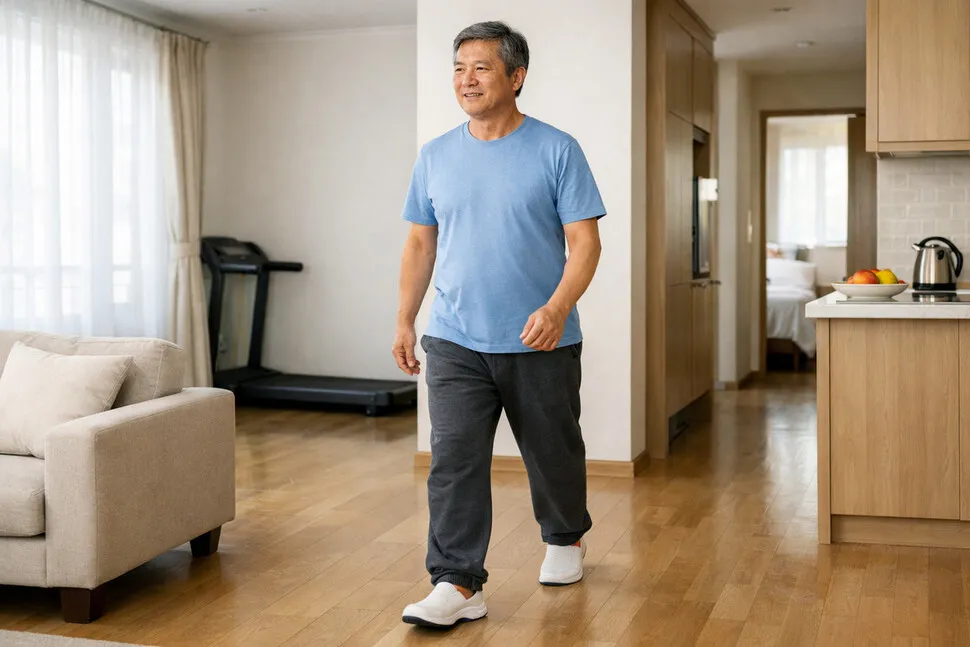
As we age, maintaining physical activity becomes increasingly crucial for overall health and longevity. While vigorous exercise is often touted as the gold standard, emerging research suggests that even moderate activity, like a daily walk, can yield significant benefits. A recent analysis of multiple studies indicates that for individuals over 60, walking between 6,000 and 8,000 steps a day is associated with the greatest reduction in mortality risk. Importantly, this doesn’t necessitate strenuous outdoor excursions; simply moving around the house can be enough to maintain the heart healthy. The benefits extend beyond cardiovascular health, impacting sleep quality and overall well-being.
Walking is a remarkably accessible form of cardiovascular exercise. It gently elevates heart rate, improves blood circulation, and can contribute to lower blood pressure. Regular physical activity throughout the day also promotes better sleep, allowing for deeper and more restorative rest. For many, the simplicity of walking – requiring no specialized equipment or gym membership – makes it a sustainable and practical way to incorporate exercise into daily life. Even pacing around the house, transitioning between rooms, can provide sufficient stimulus for heart muscle activation. The American Heart Association emphasizes the importance of regular physical activity for cardiovascular health, recommending at least 150 minutes of moderate-intensity exercise per week. Learn more about the AHA’s recommendations here.
Optimizing Your Walk: Form and Technique for Maximum Benefit
While the act of walking is natural, paying attention to posture, stride, and pace can significantly enhance its effectiveness and safety. Whether walking indoors or outdoors, adopting proper technique can minimize the risk of injury and maximize the cardiovascular benefits. Focusing on these four key elements can transform a casual stroll into a more impactful exercise routine.
- Chest Up, Shoulders Back: Maintain a posture where your shoulders are gently pulled back and your chest is open. This prevents slouching and promotes better breathing.
- Gaze Forward: Avoid looking down at your feet. Instead, focus your gaze approximately 3-4 meters ahead. This helps to maintain proper neck and shoulder alignment, reducing strain.
- Natural Arm Swing: Allow your arms to swing freely and naturally at your sides. Avoid stiffening your arms or holding them rigidly. This engages the upper body and contributes to overall energy expenditure.
- Heel-to-Toe Stride: Begin each step by landing on your heel, rolling through the foot to push off from your toes. Avoid dragging your feet or taking excessively short steps.
When walking indoors, prioritizing safety is paramount. Swap slippery slippers for supportive indoor shoes or socks with non-slip soles to prevent falls. Maintaining a clear walking path, free from obstacles, is also essential.
Interval Walking: Boosting Intensity Indoors
For those seeking to increase the intensity of their indoor walking routine, interval walking is an excellent option. This technique involves alternating between periods of moderate-intensity walking and short bursts of faster-paced walking. This approach challenges the cardiovascular system more effectively and can improve endurance. Here’s a simple indoor interval walking routine:
- Warm-up (2 minutes): Walk at a comfortable pace, allowing your heart rate to gradually increase.
- Interval (1 minute): Increase your pace to a brisk walk, where you can still hold a conversation but are slightly breathless. Increase your arm swing and stride length.
- Repeat: Alternate between 2 minutes of comfortable walking and 1 minute of brisk walking for a total of 3 minutes per set.
- Sets: Repeat the 3-minute set 5 times (approximately 15 minutes total), adjusting the number of sets based on your fitness level.
Beyond scheduled walks, incorporating more movement into daily routines can further enhance overall activity levels. Standing while talking on the phone, pacing during conversations, and engaging in household chores like cleaning and gardening all contribute to increased physical activity. But, those living in apartment buildings should be mindful of noise levels and take precautions to minimize disturbance to neighbors during indoor walking.
The Broader Context: Walking and Overall Health
The benefits of regular walking extend far beyond simply reducing mortality risk. Studies have consistently demonstrated a strong correlation between physical activity and a reduced risk of chronic diseases, including heart disease, stroke, type 2 diabetes, and certain types of cancer. The Centers for Disease Control and Prevention (CDC) provides comprehensive information on the benefits of physical activity. Walking also plays a vital role in maintaining cognitive function, improving mood, and reducing stress.
walking can be a valuable tool for weight management. While the number of calories burned will vary depending on factors such as weight, pace, and terrain, regular walking contributes to a calorie deficit, which is essential for weight loss or maintenance. Combining walking with a healthy diet can amplify these benefits.
Beyond Steps: Considering Intensity and Individual Needs
While the 6,000-8,000 step range appears optimal for reducing mortality risk in individuals over 60, it’s important to remember that this is a general guideline. Individual needs and fitness levels vary significantly. Some individuals may benefit from exceeding this step count, while others may find it challenging to reach. The key is to find a level of activity that is sustainable and enjoyable.
intensity matters. Simply accumulating steps at a leisurely pace may not provide the same benefits as walking at a brisk pace or incorporating interval training. Listening to your body and gradually increasing intensity over time is crucial to avoid injury and maximize results.
It’s also important to consult with a healthcare professional before starting any new exercise program, especially if you have underlying health conditions. A doctor can help you determine a safe and effective exercise plan tailored to your individual needs.
Key Takeaways
- 6,000-8,000 Steps: Aim for this daily step count, particularly if you are over 60, to potentially reduce mortality risk.
- Indoor Walking is Effective: You don’t need to go outdoors to reap the benefits of walking; indoor walking is a viable option.
- Proper Form Matters: Pay attention to posture, stride, and arm swing to maximize effectiveness and minimize injury risk.
- Interval Training Boosts Intensity: Incorporate interval walking to challenge your cardiovascular system and improve endurance.
- Listen to Your Body: Adjust your activity level based on your individual needs and fitness level.
As research continues to illuminate the profound impact of physical activity on health and longevity, the simple act of walking emerges as a powerful tool for promoting well-being at any age. The next major study examining the long-term effects of pedometer-based interventions is expected to release preliminary findings in late 2026. We will continue to monitor and report on these developments as they unfold.
What are your experiences with incorporating walking into your daily routine? Share your tips and insights in the comments below, and don’t forget to share this article with friends and family who may benefit from this information.
Worth a look