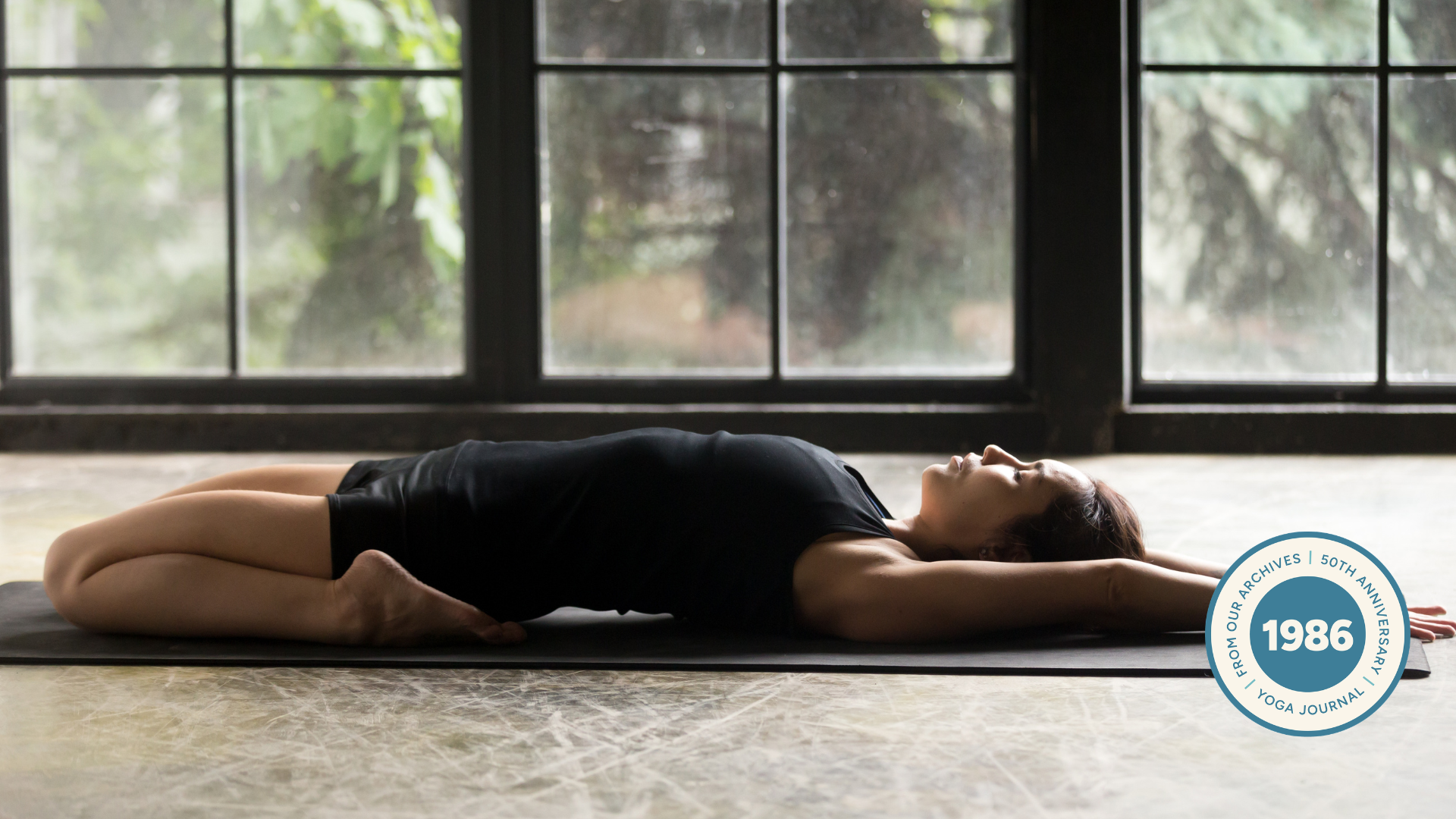
Stiff and achy thighs can significantly impact daily mobility, often making basic movements like standing up from a chair, climbing stairs, or going for a routine run feel unnecessarily difficult. When those large muscles at the front of your thighs feel locked up, targeted movement becomes essential to restore normal range of motion and ease discomfort. According to physical therapists and movement specialists, incorporating a simple, effective quad stretch into your daily routine can quickly relieve tension, improve joint flexibility, and prevent common movement imbalances.
Quadriceps tightness often stems from prolonged sitting, high-impact athletic training, or a lack of regular mobility work. Because these four major muscles span the front of the thigh and cross both the hip and knee joints, any restriction here can pull on the pelvis and lower back, triggering secondary aches elsewhere in the body. Understanding how to properly lengthen these tissues without straining the surrounding joints is key to maintaining long-term musculoskeletal health and physical comfort.
Addressing quad tightness does not require complicated equipment or an advanced gymnastics background. A basic standing or kneeling quad stretch, executed with proper alignment, targets the rectus femoris and surrounding muscle groups effectively. By anchoring the pelvis and gently drawing the heel toward the glutes, practitioners can isolate the front of the thigh and achieve a safe, deep release.
Anatomy of Quad Tightness and Why It Happens
The quadriceps femoris is a powerful group comprising four distinct muscles: the rectus femoris, vastus lateralis, vastus medialis, and vastus intermedius. Among these, the rectus femoris is unique because it crosses the hip joint as well as the knee, making it particularly vulnerable to tightness from both excessive sitting and repetitive running or cycling. When individuals spend hours hunched over desks, these muscles remain in a shortened position for extended periods, leading to adaptive shortening.
Sports medicine physicians note that untreated muscle stiffness can alter walking mechanics and place undue stress on the patellar tendon and kneecap. Restoring flexibility to the front of the thighs helps distribute mechanical loads evenly across the lower extremities. Regular stretching also enhances neuromuscular coordination, allowing the muscle fibers to contract and relax more efficiently during physical activity.
Experts emphasize that consistency matters far more than intensity when working on connective tissue and muscle length. Pushing aggressively into a painful stretch often triggers a protective reflex, causing the muscle fibers to contract rather than lengthen. Approaching mobility work with steady, controlled breathing yields much safer and more sustainable results.
How to Perform the Classic Standing Quad Stretch
The standing quad stretch remains one of the most accessible movements for daily relief because it requires no props and can be performed almost anywhere. To begin, stand tall near a wall or sturdy piece of furniture for balance if necessary. Shift your weight onto your left foot, keeping your standing knee slightly soft to protect the joint.
Reach back with your right hand and grasp your right ankle or the top of your foot. Gently draw your heel toward your right gluteus muscle while keeping your knees close together. A common mistake during this movement is allowing the thigh to drift forward or arching the lower back excessively. To maximize the stretch in the front of the thigh, tuck your tailbone slightly under and engage your abdominal muscles.
Hold this position for 20 to 30 seconds while taking slow, deep breaths, then release with control and switch sides. Performing two to three repetitions per leg helps re-establish balanced flexibility. If balancing presents a challenge, modifying the movement by placing the back foot on a low bench or chair—frequently referred to as a couch stretch variation—provides additional stability while delivering an effective deep tissue release.
Integrating Mobility into Your Daily Routine
Maintaining flexible quadriceps requires integrating movement breaks throughout the day, especially for individuals who work sedentary desk jobs. Setting a reminder to stand up, walk around, and perform a quick mobility sequence every hour can prevent the onset of midday stiffness. Pairing these stretches with a short post-workout cool-down also accelerates recovery after running, hiking, or strength training.
Healthcare providers advise listening closely to your body and avoiding any stretch that provokes sharp or shooting pain around the knee cap or hip joint. Mild tension is normal and expected, but pain indicates that the stretch is either too aggressive or that form needs adjustment. Consulting a licensed physical therapist or sports medicine professional is recommended for anyone managing chronic pain, recent lower-body injuries, or structural joint issues.
As research into movement science continues to evolve, health professionals consistently highlight mobility as a cornerstone of injury prevention and functional longevity. Taking a few minutes each day to care for your quadriceps ensures your lower body remains resilient, responsive, and ready for whatever physical demands come your way.
Worth a look