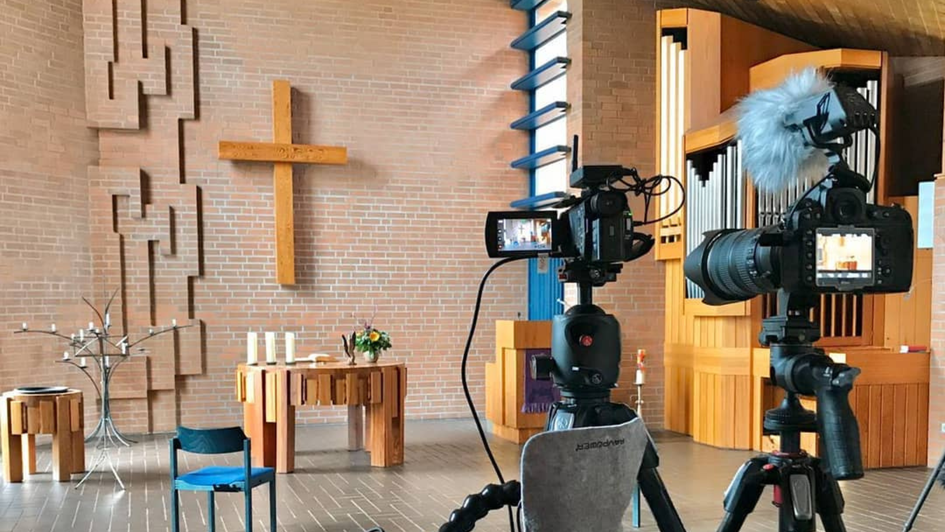
The COVID-19 pandemic dramatically reshaped nearly every aspect of modern life, and religious practice was no exception. As lockdowns and social distancing measures took hold in early 2020, churches worldwide were forced to rapidly adapt, moving services and community outreach online. A comprehensive international research project, known as CONTOC – short for Churches Online in Times of Corona – sought to document and analyze this unprecedented shift, exploring the challenges and opportunities presented by the digital transformation of religious life. The project, a collaboration between researchers in Germany and Switzerland, and with partners across the globe, provides valuable insights into how faith communities navigated the crisis and what lasting changes may emerge.
The CONTOC study, initiated in March 2020, focused on Protestant and Catholic churches in Germany, Switzerland, and beyond, examining their digital practices during the initial wave of the pandemic. Researchers investigated key areas including worship services, pastoral care, religious education, diaconal work (charitable outreach), and communication strategies. The project wasn’t simply about *whether* churches went online, but *how* they did so, and what impact these changes had on both clergy and congregants. A key component of the research involved understanding the “digital literacy” needs of pastoral staff and identifying what lessons could be learned from these new forms of ministry for the future.
The Rapid Shift to Digital Worship and Community
The initial response to the pandemic was swift. As early as March 8, 2020, Germany issued a recommendation to cancel events with more than 1,000 people, a measure that quickly expanded to include smaller gatherings. By March 19, 2020, both the Evangelical Church in Germany (EKD) and Catholic dioceses announced the cancellation of in-person worship services. This abrupt halt to traditional practices forced churches to quickly embrace digital alternatives. According to CONTOC’s research, this transition wasn’t seamless. Many churches lacked the technical infrastructure or expertise to effectively livestream services or create engaging online content.
The study highlighted a diverse range of digital responses. Some churches opted for simple livestreaming of services via platforms like YouTube or Facebook. Others invested in more sophisticated setups, including professional audio-visual equipment and dedicated online teams. Beyond worship, churches also explored new ways to provide pastoral care, offering virtual counseling sessions, online prayer groups, and digital versions of traditional religious education programs. Diaconal work also adapted, with churches leveraging online platforms to connect volunteers with those in need and coordinate charitable initiatives.
Exploring the Challenges and Opportunities
The CONTOC project identified several key challenges associated with the digital shift. Researchers noted concerns about accessibility, particularly for older congregants or those without reliable internet access. Maintaining a sense of community and fostering meaningful connection in a virtual environment also proved difficult. The study explored the theological implications of online worship, questioning how the digital medium might affect the experience of the sacred and the nature of religious ritual.
However, the research also revealed significant opportunities. The digital realm allowed churches to reach new audiences, including individuals who were previously unable to attend services due to geographical limitations, health concerns, or other commitments. Online platforms also facilitated greater engagement with younger generations, who are often more comfortable with digital technologies. The pandemic prompted churches to re-evaluate their communication strategies, embracing social media and other online tools to connect with their communities and share their message. The project received 12,000 euros in funding from the Digitalinnovationsfonds to support this crucial work.
International Collaboration and Scope
CONTOC is a truly international endeavor, bringing together scholars from a variety of disciplines, including theology, sociology, and communication studies. The core research team includes Professor Dr. Thomas Schlag and Dr. Sabrina Müller from the University of Zurich, Professor Dr. Ilona Nord from the University of Würzburg, Dr. Arnd Bünker from the Swiss Pastoral Sociological Institute in St. Gallen, Professor Dr. Wolfgang Beck from the Philosophical Theological University of Sankt Georgen, and Professor Dr. Georg Lämmlin from the Social Science Institute of the EKD.
The project’s reach extends far beyond Germany and Switzerland, with collaborators from universities and churches in around 20 countries across five continents. This global perspective allows for a comparative analysis of how different faith communities responded to the pandemic and the unique challenges and opportunities they faced. The researchers are actively seeking to understand how the lessons learned during this period can inform future strategies for ministry and outreach.
The Future of Digital Church
One of the central questions guiding the CONTOC research is whether the digital practices adopted during the pandemic will persist once restrictions are lifted and in-person gatherings resume. Researchers are exploring the potential for hybrid models of worship and community engagement, combining the best aspects of both online and offline experiences. The study also examines the long-term implications of the pandemic for the role of the church in society and the evolving relationship between faith and technology.
The project’s findings suggest that digital tools are likely to remain an important part of church life, even after the pandemic subsides. However, the success of these tools will depend on addressing the challenges of accessibility, engagement, and theological reflection. Churches will need to invest in training and resources to ensure that their staff and congregants have the skills and knowledge necessary to navigate the digital landscape effectively. Ongoing dialogue and discernment will be crucial to ensure that digital practices are aligned with the core values and mission of the church.
The CONTOC study offers a valuable contribution to our understanding of how religious institutions adapt to times of crisis and the transformative potential of digital technologies. By documenting the experiences of churches during the COVID-19 pandemic, the project provides insights that can inform future strategies for ministry, outreach, and community building. The research underscores the importance of embracing innovation even as remaining grounded in the enduring principles of faith and tradition.
As the world continues to navigate the evolving landscape of the post-pandemic era, the lessons learned from the CONTOC project will undoubtedly prove invaluable for churches seeking to remain relevant and responsive to the needs of their communities. Further updates and findings from the research can be found on the CONTOC website: https://contoc.org/. The EKD also provides information on the project here: https://www.ekd.de/forschungsprojekt-contoc-65625.htm.
The researchers are continuing to analyze data and publish their findings. The next phase of the project will focus on developing practical recommendations for churches seeking to integrate digital technologies into their ministry and outreach efforts. We encourage readers to share their own experiences with digital church and to contribute to the ongoing conversation about the future of faith in the digital age.