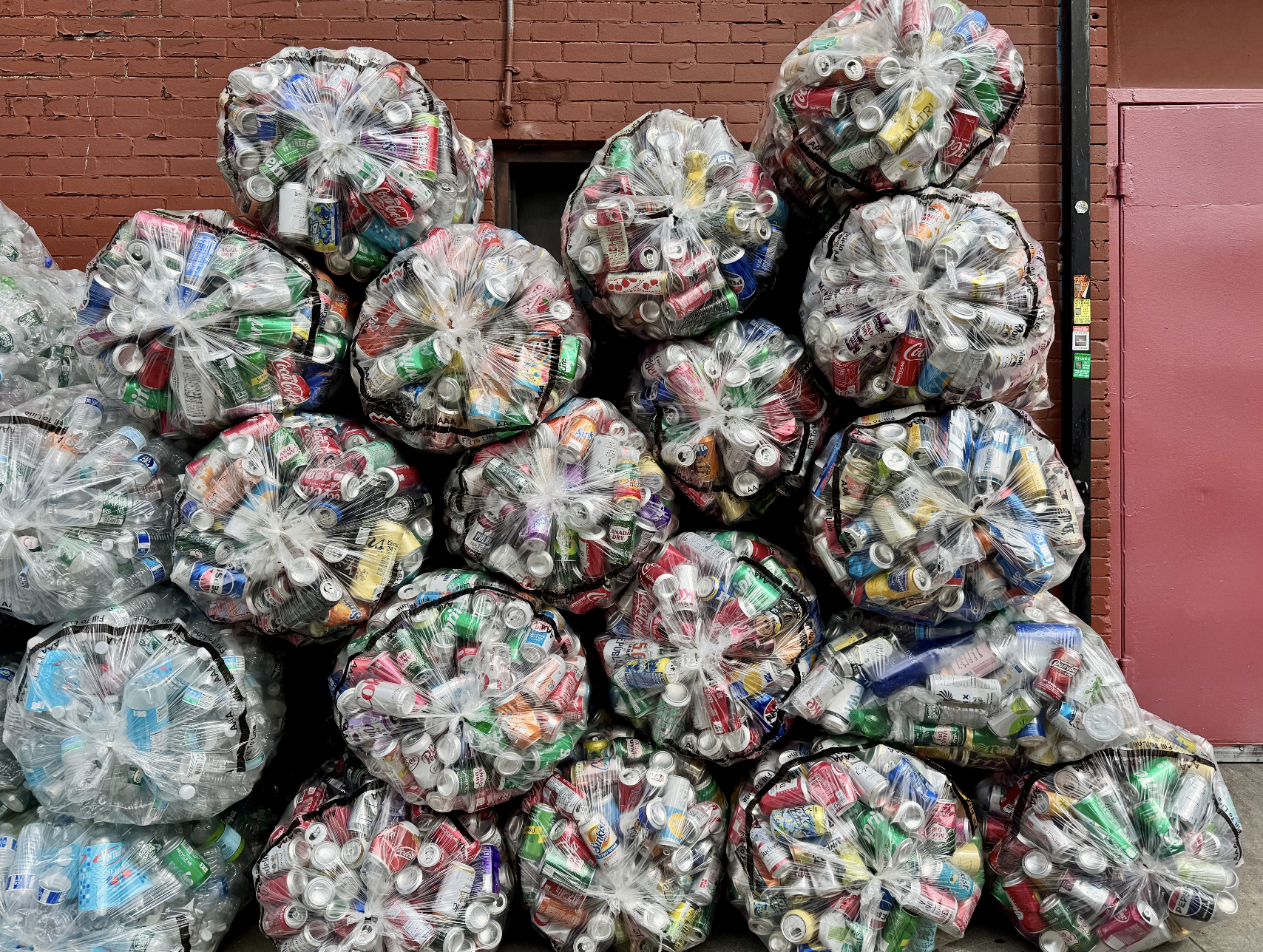
For over four decades, New Yorkers returning empty beverage containers have received a modest 5-cent refund for each bottle or can. But a significant change may be on the horizon. Lawmakers in Albany are currently considering legislation that would double that deposit to 10 cents, a move proponents say will dramatically boost recycling rates and modernize the state’s aging bottle bill. The proposed “Bigger, Better Bottle Bill” isn’t just about increasing the financial incentive. it also aims to expand the types of beverages covered under the deposit system, potentially impacting billions of containers annually.
The current system, officially known as the Returnable Container Act, has remained largely unchanged since its inception in 1983. While it successfully captures a portion of recyclable materials, advocates argue it’s no longer sufficient to address the state’s growing waste management challenges. The proposed legislation seeks to address these shortcomings by not only increasing the deposit value but also broadening the scope of eligible containers, encompassing a wider range of drinks commonly consumed today. This potential overhaul comes as states across the country re-evaluate their recycling infrastructure and explore ways to reduce landfill waste.
The push for a modernized bottle bill comes amid growing concerns about the environmental impact of single-leverage beverage containers. Environmental groups contend that a higher deposit will incentivize consumers to return bottles and cans, diverting them from landfills and reducing litter. The economic implications are also significant, with potential benefits for redemption centers struggling to remain viable under the current fee structure. The debate highlights a broader conversation about producer responsibility and the role of government in promoting sustainable practices.
A Deeper Dive into the “Bigger, Better Bottle Bill”
The core of the proposed legislation lies in two key changes: a doubling of the deposit from 5 cents to 10 cents per container, and an expansion of the types of beverages subject to the deposit. Currently, the Returnable Container Act applies to carbonated soft drinks, beer, and certain bottled water. The “Bigger, Better Bottle Bill” would broaden this definition to include non-carbonated beverages like sports drinks, iced teas, and flavored waters – drinks that weren’t as prevalent when the original law was enacted. This expansion is expected to significantly increase the volume of containers eligible for deposit refunds. According to supporters, this change could redirect over 5 billion bottles and cans each year away from landfills and incinerators.
Beyond the deposit increase and beverage expansion, the bill also addresses the financial challenges faced by redemption centers. These centers, which provide a convenient location for consumers to return their empties, have been struggling due to inadequate handling fees. The proposed legislation seeks to increase these fees, providing much-needed financial relief and helping to ensure the continued operation of these vital recycling hubs. The viability of redemption centers is crucial to the success of any deposit-refund system, as they provide the infrastructure for collecting and processing returned containers.
Comparing New York’s System to Other States
New York’s current 5-cent deposit is relatively low compared to other states with similar bottle bills. Michigan, for example, boasts a 10-cent deposit and consistently achieves a redemption rate of around 90 percent, according to the Container Recycling Institute. In contrast, New York’s redemption rate hovers around 65 percent. This disparity suggests a strong correlation between deposit value and recycling participation. States with higher deposits generally observe a greater percentage of containers returned, leading to reduced landfill waste and increased resource recovery.
The success of Michigan’s system highlights the potential benefits of a higher deposit. However, it’s important to note that redemption rates are influenced by a variety of factors, including convenience, accessibility of redemption centers, and public awareness campaigns. Simply increasing the deposit value may not be enough to achieve significant improvements without addressing these other critical components of the recycling infrastructure. Other states, like Oregon and California, also have bottle deposit programs, each with its own unique features and redemption rates.
Concerns and Opposition to the Proposed Changes
While the “Bigger, Better Bottle Bill” enjoys support from environmental groups and redemption center operators, it faces opposition from some beverage retailers and industry associations. Some retailers express concerns about the logistical challenges of handling a wider variety of containers, particularly if they are required to accept and store more types of beverages. They argue that this could create additional burdens and costs for their businesses. Industry groups also raise concerns about the potential for higher deposits to increase drink prices for consumers, potentially impacting sales.
These concerns are not new. Similar arguments were raised during previous attempts to update the bottle bill, which ultimately failed to pass. However, advocates for the bill contend that the environmental and economic benefits outweigh the potential challenges. They argue that the increased recycling rates will ultimately reduce waste management costs and create a more sustainable system. The debate underscores the complex interplay between environmental protection, economic interests, and consumer convenience.
The Path Forward: Budget Negotiations and Potential Implementation
The fate of the “Bigger, Better Bottle Bill” now rests with state lawmakers as they negotiate the 2026 New York state budget. Advocates are actively pushing for its inclusion in the final budget agreement, which must be finalized by April 1st. However, budget negotiations are notoriously unpredictable, and proposals can be altered or dropped altogether during the process. The bill has been introduced in previous legislative sessions without success, highlighting the challenges of reaching a consensus on this issue.
If the bill passes, the implementation process would likely involve a period of public education and outreach to inform consumers and retailers about the changes. The Department of Environmental Conservation (DEC) would be responsible for overseeing the implementation and ensuring compliance with the new regulations. The DEC’s website provides detailed information about the current Returnable Container Act and related recycling programs. The timeline for full implementation would depend on the specifics of the legislation and the DEC’s administrative procedures.
Key Takeaways
- New York lawmakers are considering a bill to double the bottle deposit from 5 cents to 10 cents.
- The “Bigger, Better Bottle Bill” also aims to expand the types of beverages covered under the deposit system.
- Proponents argue the changes will increase recycling rates and reduce landfill waste.
- Opponents raise concerns about logistical challenges and potential price increases for consumers.
- The bill’s fate hinges on negotiations over the 2026 New York state budget, with a final decision expected by April 1st.
As the debate continues, the potential for a modernized bottle bill in New York remains a significant development for the state’s recycling efforts. The outcome of these negotiations will have far-reaching implications for consumers, retailers, and the environment. The next key date to watch is the finalization of the state budget in early April, which will determine whether New Yorkers will soon be getting twice as much back for their empty bottles and cans.
We encourage readers to follow the progress of this important legislation and share their thoughts in the comments below. Your voice matters as New York considers this significant step towards a more sustainable future.
Related reading
- Trump Accuses Iran of Sending Mixed Signals on Diplomacy and Peace Talks
- Kumamoto Earthquake Recovery: Inspiring Stories of Heat Relief and Volunteer Support
- RAP vs. IBR: What Your New Student Loan Bill Actually Costs (daybreakwire.com)
- Apple AirPods with cameras could launch sooner than expected (archyde.com)