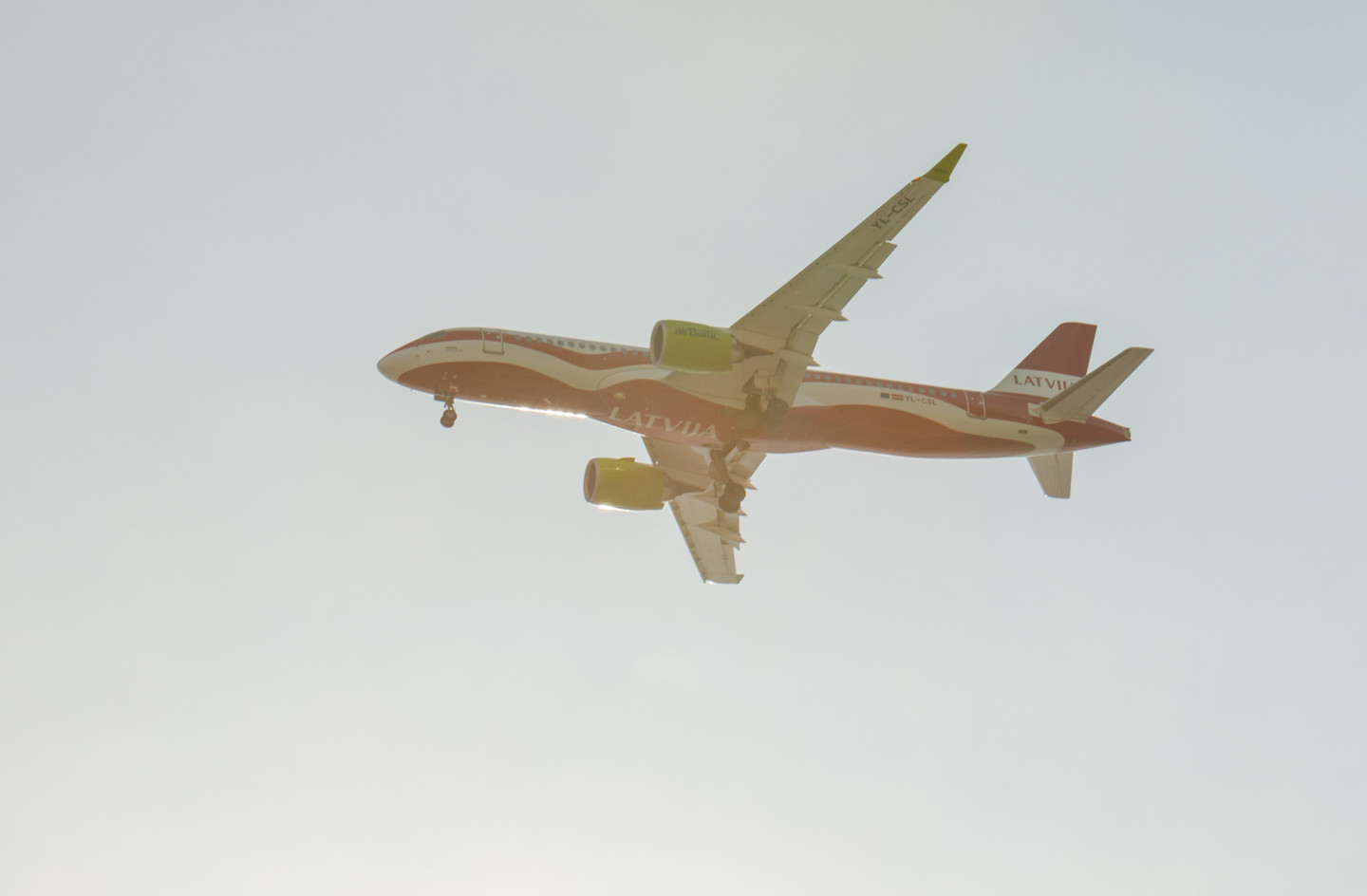
Rīga, Latvia – The first repatriation flights from Dubai, organized by airBaltic, landed in Riga late Saturday night, bringing home Latvian nationals who had been seeking assistance to leave the United Arab Emirates amid heightened regional tensions. The flights represent a coordinated effort by the Latvian government and the airline to ensure the safe return of citizens following escalating conflict in the Middle East.
The repatriation operation was initiated in response to a request from the Latvian Ministry of Foreign Affairs, with airBaltic collaborating with the Ministry of Transport to facilitate the flights. This comes after a period of increased instability in the region, sparked by escalating exchanges between the United States and Israel with Iran, prompting concerns for the safety of Latvian citizens residing in the UAE. The Latvian government allocated €752,000 for the repatriation and evacuation efforts, demonstrating a commitment to supporting its citizens abroad. As of March 4th, 624 Latvian nationals registered with the Consular Registry had requested assistance with leaving the UAE.
The initial repatriation flight, BT7701, was originally scheduled to depart from Dubai at 17:50 local time on Friday, March 6th (15:50 Latvian time), but experienced a delay of over an hour, eventually departing at 16:52 Latvian time. A second flight, BT7703, followed shortly after, departing Dubai at 17:12 Latvian time (19:12 Dubai time). Both flights made a technical stop in Heraklion, Greece, before arriving in Riga. According to airBaltic’s Head of Corporate Communications and Public Relations, Augusts Zilberts, both flights were fully booked, indicating a significant demand for repatriation services.
Repatriation Flights and Logistics
Both repatriation flights utilized aircraft with a capacity of 145 seats. The flights followed a route that included a technical stop in Heraklion, Greece, allowing for crew rest and aircraft maintenance. The first flight, BT7701, landed in Riga in the early hours of Saturday, March 7th. The second flight arrived shortly after. A third repatriation flight, BT7756, is scheduled to depart from Dubai Al Maktoum International Airport on Saturday, March 7th, at 19:20 Dubai time, also with a technical stop in Heraklion. This flight is expected to arrive in Riga on Sunday, March 8th, at approximately 03:40 Latvian time.
The Latvian Ministry of Foreign Affairs is actively contacting Latvian citizens registered in the Consular Registry to inform them about the available repatriation options and the necessary procedures for participation. AirBaltic has strongly advised individuals not to travel to the airport unless they have received individual confirmation of their inclusion on a specific flight’s passenger list. This measure is intended to ensure a smooth and organized repatriation process, prioritizing those who have formally requested assistance.
Regional Tensions and the Drive for Repatriation
The urgency of the repatriation efforts is directly linked to the escalating tensions in the Middle East. The recent exchange of attacks between the United States and Israel and Iran, beginning on February 28th, has raised concerns about the safety of civilians and foreign nationals in the region. Israel launched strikes against Iranian targets in Tehran and positions of the Hezbollah group in Beirut on Friday, while U.S. Defense Secretary Lloyd Austin indicated that the U.S. Would soon significantly increase its strikes against Iran. These developments prompted the Latvian government to take proactive measures to assist its citizens in leaving the UAE.
The situation remains fluid and unpredictable. While the initial wave of repatriation flights has been successfully completed, the Latvian government and airBaltic are continuing to monitor the situation closely and maintain close collaboration with national and international institutions. This ongoing assessment will inform any further decisions regarding additional repatriation flights or adjustments to the existing schedule. The airline emphasized its readiness to adapt the flight schedule and operate additional flights if necessary, demonstrating a commitment to prioritizing the safety and well-being of Latvian citizens.
The Role of airBaltic and Government Coordination
airBaltic played a crucial role in swiftly organizing and executing the repatriation flights. The airline’s ability to mobilize resources and coordinate logistics with the Latvian government was instrumental in ensuring the timely return of citizens. The collaboration between airBaltic and the Ministry of Transport highlights the importance of public-private partnerships in responding to international crises. The allocation of €752,000 by the Latvian government underscores the financial commitment to supporting its citizens during times of need.
The Ministry of Foreign Affairs is responsible for identifying and contacting Latvian nationals in the UAE who have registered for assistance. This process involves verifying citizenship, assessing individual circumstances, and providing information about the available repatriation options. The Ministry is working diligently to ensure that all eligible citizens are informed and have the opportunity to return to Latvia safely.
Looking Ahead
The successful completion of the initial repatriation flights represents a significant step in ensuring the safety of Latvian citizens in the UAE. However, the situation in the Middle East remains volatile, and the potential for further escalation cannot be ruled out. The Latvian government and airBaltic will continue to monitor developments closely and remain prepared to take further action if necessary. The scheduled third repatriation flight, BT7756, on Saturday, March 7th, will provide additional opportunities for citizens to return home.
The next confirmed checkpoint in this ongoing situation is the arrival of flight BT7756 in Riga on Sunday, March 8th, at approximately 03:40 Latvian time. Citizens seeking information about repatriation options are encouraged to contact the Latvian Ministry of Foreign Affairs or register with the Consular Registry. We invite readers to share their experiences and perspectives on this developing situation in the comments below.
Worth a look