Turkey Bolsters Crisis Management with New Defense Planning Roles Across Ministries
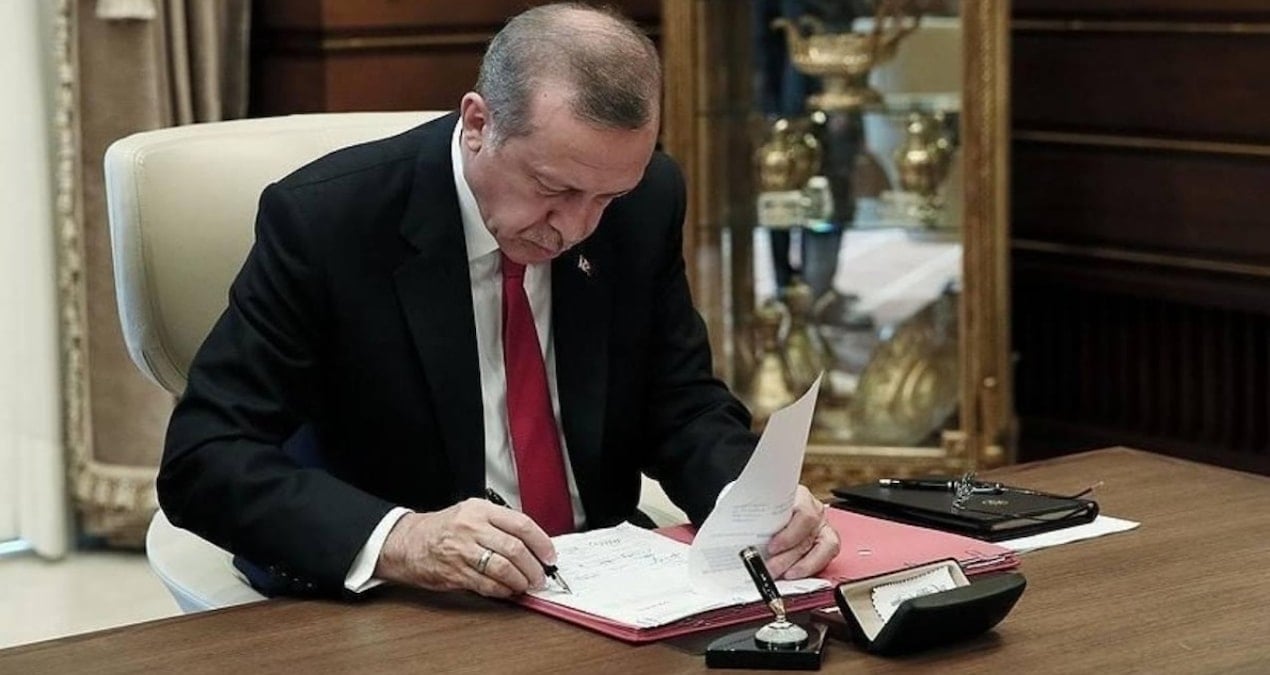
Ankara has moved to strengthen its national crisis management and defense preparedness with the establishment of “Emergency Situations and Defense Planning Department Heads” across sixteen government ministries, a move formalized through a decree published in the Official Gazette on March 6, 2026. The appointments, signed by President Recep Tayyip Erdoğan, represent a significant step in streamlining Turkey’s response capabilities to a range of potential threats, from natural disasters to broader security challenges. This initiative comes after the initial framework for these departments was laid out in a decree issued in October 2025, with today’s announcement solidifying the leadership structure within each ministry. Notably, the Ministry of National Defense is excluded from this restructuring, reflecting its existing primary role in war preparation and defense strategy.
The move signals a heightened focus on proactive planning and coordination across the Turkish government, aiming to improve the nation’s ability to respond effectively to both domestic and international crises. Whereas Turkey has existing disaster management infrastructure, including the Disaster and Emergency Management Presidency (AFAD), this new layer of departmental leadership within individual ministries is intended to enhance sector-specific preparedness and ensure a more integrated national response. The appointments arrive amid a complex geopolitical landscape, with ongoing regional conflicts and increasing concerns about climate change-related disasters.
New Leadership Appointments Across Key Ministries
The Presidential decree detailed a series of appointments to lead the newly formed departments. These appointments place experienced officials at the helm of critical planning roles within each ministry. The individuals selected will be responsible for coordinating their ministry’s response to emergencies, contributing to national defense planning, and liaising with AFAD. The full list of appointments, as published in the Official Gazette, includes:
- Ministry of Justice: İbrahim Çelik
- Ministry of Family and Social Services: Ahmet Ergül
- Ministry of Labor and Social Security: Ali Mert
- Ministry of Environment, Urbanization and Climate Change: İsmail Ceylan
- Ministry of Foreign Affairs: Taner Ataman
- Ministry of Energy and Natural Resources: Selim Çiçek
- Ministry of Youth and Sports: Mustafa Çelik
- Ministry of Treasury and Finance: Murat Çevik
- Ministry of Interior: Mustafa Güneş
- Ministry of Culture and Tourism: Arda Heb
- Ministry of National Education: Metin Tayyar
- Ministry of Health: Gökhan Yılmaz
- Ministry of Industry and Technology: İbrahim Kütük
- Ministry of Agriculture and Forestry: Hüseyin Erbaş
- Ministry of Commerce: Tayfun Temur
- Ministry of Transport and Infrastructure: Şakir Ünver
These appointments represent a significant investment in bolstering Turkey’s capacity to respond to a wide range of potential crises. The roles will require close collaboration with AFAD and other relevant agencies, ensuring a coordinated national approach to emergency management and defense planning. The establishment of these departments underscores the Turkish government’s commitment to proactive risk management and national security.
Departmental Responsibilities: Coordination and Information Flow
According to information released alongside the appointment announcements, the newly established Emergency Situations and Defense Planning Departments will play a crucial role in coordinating responses to a variety of threats. These departments will be responsible for tracking and coordinating the work of affiliated institutions related to disaster response, civil defense, mobilization, and war preparation. Haber7 reports that the departments will also represent their respective ministries at AFAD’s Disaster and Emergency Management Center.
A key function of these departments will be to facilitate the allocation of resources and capabilities requested by AFAD, ensuring that ministries are prepared to fulfill their responsibilities during emergencies. They will also be responsible for maintaining a consistent flow of information to the Presidency and emergency management centers, providing real-time updates on developing situations. This enhanced information sharing is intended to improve situational awareness and enable more informed decision-making at the national level. The departments will also be tasked with carrying out any duties assigned by their respective ministers.
Rationale for Excluding the Ministry of National Defense
The decision to exclude the Ministry of National Defense from this restructuring is based on its existing, central role in Turkey’s defense strategy and war preparedness. As the primary agency responsible for military planning and operations, the Ministry of National Defense already possesses a robust framework for addressing security threats. According to Sözcü, officials believe that duplicating these efforts within the Ministry of National Defense would be redundant and potentially create inefficiencies. Instead, the focus is on strengthening the preparedness of civilian ministries to support national defense efforts and respond to a wider range of crises.
This approach reflects a broader trend towards “whole-of-government” resilience, recognizing that effective crisis management requires the coordinated involvement of all sectors of society. By establishing dedicated emergency planning departments within each ministry, the Turkish government aims to create a more integrated and responsive national system capable of addressing a diverse array of challenges. The initiative builds upon a previous decree issued in October 2025, which initially authorized the creation of these departmental structures.
The appointments and the establishment of these departments represent a significant investment in Turkey’s long-term security and resilience. The success of this initiative will depend on effective collaboration between ministries, clear lines of communication, and a commitment to proactive planning. The coming months will be crucial in assessing the impact of these changes and ensuring that Turkey is well-prepared to face the challenges of a rapidly evolving global landscape.
The next step in this process will be the full operationalization of these departments, with each ministry developing detailed plans for emergency preparedness and defense planning. Further updates on the implementation of these plans are expected in the coming weeks. We will continue to monitor this developing story and provide updates as they turn into available.
What are your thoughts on Turkey’s new crisis management structure? Share your comments below and join the conversation.
Keep reading