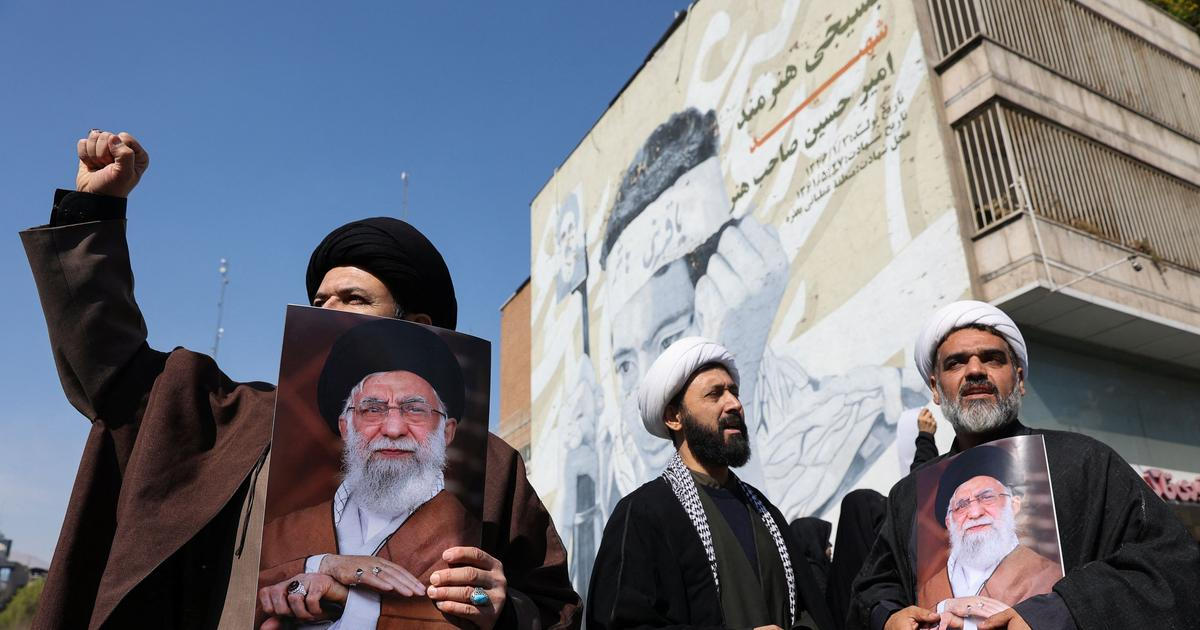
The question of Iran’s political future following recent escalations in conflict is a subject of intense scrutiny. A classified intelligence assessment by the U.S. National Intelligence Council (NIC), completed roughly a week before the joint U.S.-Israeli strikes against Iran, reportedly concluded that even a large-scale offensive is unlikely to topple the Islamic Republic’s theocratic regime or its military. The analysis likewise assessed the scenario of an Iranian opposition takeover as improbable, according to three informed sources cited by The Washington Post. This assessment arrives amidst a volatile period, with the conflict in the Middle East entering its eighth day as of March 7, 2026, following a series of retaliatory attacks between Iran, Israel, and the United States.
The current phase of heightened tensions began with U.S. And Israeli strikes on Iranian soil on February 28, 2026, which resulted in the death of Supreme Leader Ayatollah Ali Khamenei. Iran swiftly responded with missile and drone attacks targeting Israel and U.S. Bases in the Persian Gulf region, escalating the conflict into a direct confrontation. The NIC report, as relayed by The Washington Post, suggests that despite the intensity of these attacks, the deeply entrenched structure of the Iranian government is likely to withstand a significant assault. This resilience is attributed to the established procedures within the Iranian spiritual and military establishment for ensuring continuity of power, even in the event of the loss of key leaders.
Assessing the Stability of the Iranian Regime
The NIC assessment reportedly examined potential succession scenarios, both in the event of a targeted campaign against Iranian leaders and a broader attack aimed at the country’s political leadership and state institutions. In both cases, the analysis indicated that the Iranian establishment would likely adhere to pre-defined protocols to maintain control. This suggests a level of institutional robustness that could prevent a collapse of the regime, even under significant pressure. The report’s conclusion that a takeover by the fragmented Iranian opposition is “improbable” highlights the challenges facing any attempt to instigate regime change from within. The internal dynamics of Iranian politics, characterized by a strong security apparatus and a loyal base of support, contribute to this assessment.
The assessment’s findings are particularly relevant given the recent intensification of military operations. On March 6, 2026, U.S. Secretary of Defense Pete Hegseth warned that the force deployed against Iran would “drastically increase,” stating, “What you’ve seen so far is nothing.” This statement, reported by Onet Wiadomości, underscores the potential for further escalation and the commitment of the U.S. To a more assertive approach. Simultaneously, Israel and the U.S. Have continued airstrikes on Tehran and other Iranian cities, while Iran has retaliated by attacking targets in the United Arab Emirates, with explosions reported in Dubai and Abu Dhabi, and a refinery in Bahrain. The ongoing conflict also extends to Lebanon, where Israeli forces continue to target Hezbollah positions.
Historical Context: Iran-Israel Conflict
The current escalation is not an isolated event but rather a continuation of a decades-long rivalry between Iran and Israel. The 2024 Iran-Israel conflict, as detailed by Wikipedia, saw a series of direct confrontations in April, July, and October of that year. A pivotal moment occurred on April 1, 2024, when Israel bombed an Iranian consulate complex in Damascus, Syria, resulting in the deaths of several senior Iranian officials. This act prompted a retaliatory response from Iran and its allies, including the seizure of the Israeli-linked ship MSC Aries and subsequent strikes. The underlying tensions stem from differing geopolitical interests, ideological clashes, and Israel’s concerns over Iran’s nuclear program. The proxy conflict has played out through support for opposing sides in regional conflicts, such as the Syrian civil war and the conflict in Yemen.
The Role of External Actors
The involvement of external actors, particularly the United States, is crucial to understanding the dynamics of the conflict. The U.S. Has historically been a strong ally of Israel, providing significant military and economic support. The recent escalation has seen direct U.S. Military involvement, with joint strikes against Iran. The role of other regional powers, such as Saudi Arabia and the United Arab Emirates, remains complex. While these countries have expressed concerns about Iran’s regional activities, they have also sought to de-escalate tensions and maintain stability in the region. According to the Wikipedia entry on the 2024 conflict, Saudi Arabia and the UAE provided intelligence support to Israel. The potential for further escalation depends heavily on the actions and calculations of these key players.
Implications for Regional Stability
The NIC assessment’s conclusion that the Iranian regime is likely to survive a significant offensive has profound implications for regional stability. It suggests that military action alone may not be sufficient to achieve a desired outcome, such as regime change or a halt to Iran’s nuclear program. This could lead to a prolonged period of conflict and instability, with potentially devastating consequences for the region. The ongoing attacks on Hezbollah in Lebanon, as reported by Onet Wiadomości, further complicate the situation, raising the risk of a wider regional war. The economic impact of the conflict is also significant, with disruptions to oil supplies and increased uncertainty in global markets. The potential for humanitarian crises, particularly in countries already facing economic hardship and political instability, is a major concern.
Former U.S. President Donald Trump has reportedly expressed interest in playing a role in the selection of Iran’s next leader, a development that adds another layer of complexity to the situation. While the specifics of his involvement remain unclear, his potential influence could further complicate diplomatic efforts and exacerbate tensions. The situation remains highly fluid, and the future trajectory of the conflict is uncertain. The next key development to watch will be the response of the Iranian government to the ongoing military pressure and the potential for diplomatic initiatives to de-escalate the crisis.
As the conflict continues, the international community will be closely monitoring the situation and seeking ways to prevent further escalation. The focus will likely be on diplomatic efforts to achieve a ceasefire and facilitate a political solution. However, the deep-seated mistrust and conflicting interests between the parties involved pose significant challenges to any such efforts. The stability of the Middle East, and indeed the wider world, hangs in the balance.
Key Takeaways:
- A U.S. Intelligence assessment suggests that a military offensive is unlikely to topple the Iranian regime.
- The conflict began with strikes on Iran following the death of Ayatollah Ali Khamenei on February 28, 2026.
- The historical rivalry between Iran and Israel, coupled with regional power dynamics, fuels the ongoing conflict.
- External actors, including the United States, Saudi Arabia, and the UAE, play a crucial role in shaping the situation.
The situation in the Middle East remains highly volatile. We will continue to provide updates as they become available. Share your thoughts on this developing story in the comments below.