The Gut-Brain Connection: How Dietary Fiber Fuels Cognitive Health and Longevity
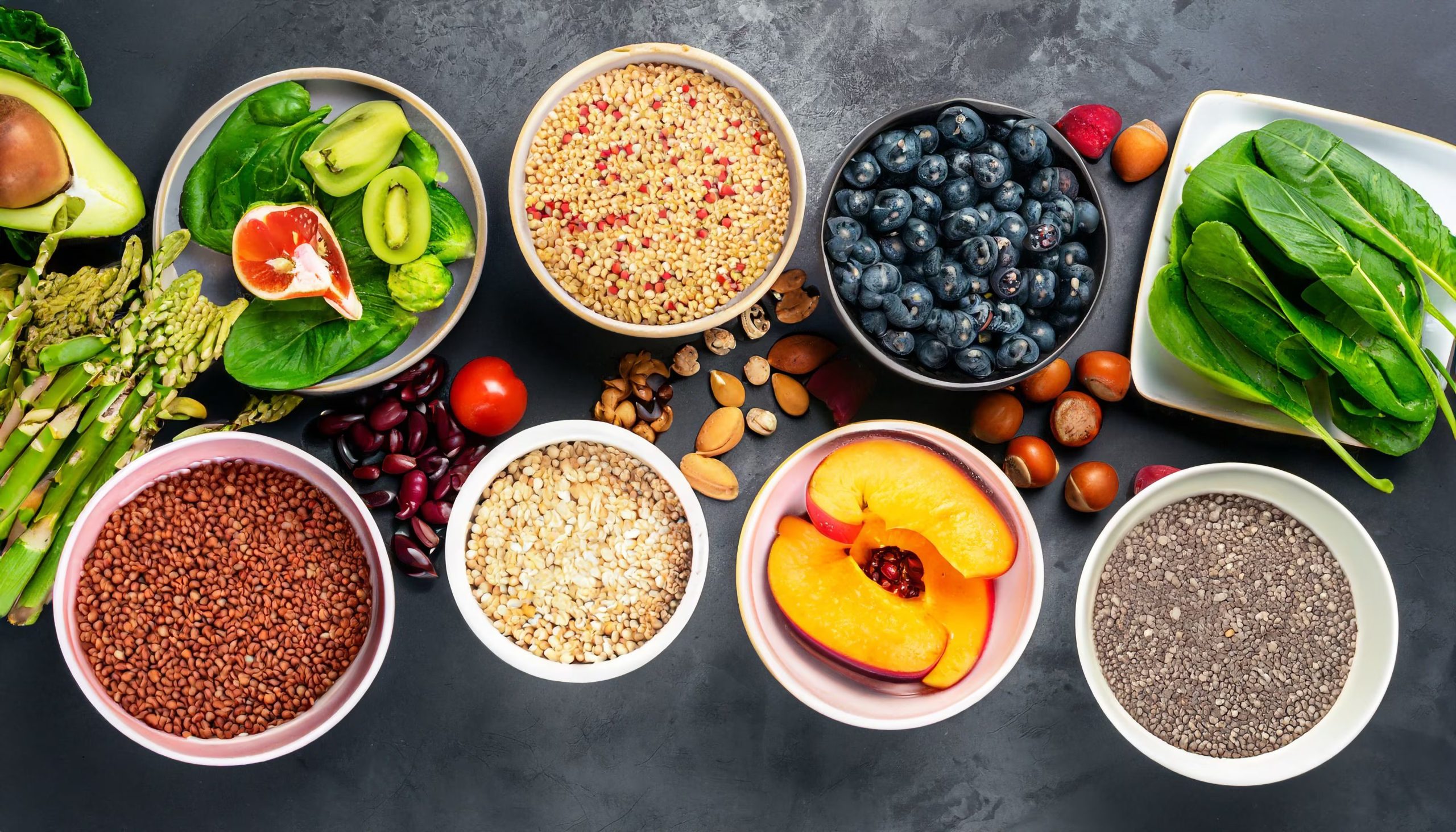
Maintaining a diet rich in whole grains, fruits, legumes, nuts, and seeds offers significant benefits for both physical health and neurological function. Nutrition specialists increasingly emphasize the crucial role of dietary fiber – a naturally occurring component in these foods – in preventing cognitive decline and promoting healthy aging. Cutting-edge research details how this nutrient optimizes the gut microbiome and facilitates communication along the gut-brain axis, a bidirectional pathway linking the digestive system to the central nervous system. This intricate connection is now understood to be fundamental to overall well-being, extending far beyond simple digestion.
The importance of fiber isn’t merely theoretical. Professor Karen Scott, specializing in gut microbiology at the University of Aberdeen in Scotland, underscores the practical implications of this research. “Increasing fiber intake is one of the most effective changes you can make for cognitive health,” she states. Though, current consumption levels are alarmingly low. A significant public health concern is the widespread deficiency of fiber in modern diets, with potentially far-reaching consequences for both individual and population health.
Globally, inadequate fiber intake is a critical risk factor for both physical and mental well-being. Statistics reveal a concerning trend: in the United States, 97% of men and 90% of women do not meet the minimum recommended daily intake. Similar deficiencies are observed in the United Kingdom, where over 90% of adults fail to consume sufficient fiber. These figures highlight a systemic issue requiring attention from public health officials and individuals alike. The recommended daily intake, as advised by the scientific community, ranges from 25 to 30 grams. Meeting this goal significantly reduces the risk of coronary heart disease, stroke, type 2 diabetes, and colon cancer, as well as contributing to a lower mortality rate and improved cognitive function.
How Fiber Impacts the Brain and Metabolism
Fiber’s functionality stems from its nature as a carbohydrate that the human digestive system cannot fully process. As it travels through the intestinal tract, fiber increases stool bulk, promotes a feeling of fullness, and helps stabilize blood glucose levels. Studies have shown that individuals who prioritize whole grains tend to have less abdominal fat and greater metabolic efficiency compared to those who consume refined grains. This metabolic benefit extends beyond weight management, influencing overall health and disease risk.
Crucially, fiber serves as the primary food source for the gut microbiome – the trillions of bacteria residing in the colon. These beneficial bacteria process fiber to produce short-chain fatty acids (SCFAs), notably butyrate. Butyrate is vital for strengthening the intestinal walls, preventing harmful substances from entering the bloodstream. This metabolic process not only reinforces the gut-brain connection but too preserves cognitive abilities and mitigates the signs of mental aging. Research published in the journal Nutrients in 2023 detailed the specific mechanisms by which butyrate influences neuronal function and protects against neuroinflammation. https://www.mdpi.com/2072-6643/15/2/433
Scientific evidence increasingly links high levels of butyrate to a reduced risk of dementia, improved sleep architecture, and enhanced emotional health. The bacteria responsible for producing butyrate are associated with a more positive mood and reduced inflammatory markers in patients diagnosed with Alzheimer’s disease. This suggests a potential therapeutic avenue for mitigating the progression of neurodegenerative disorders through targeted modulation of the gut microbiome.
Practical Strategies to Enhance Daily Fiber Intake
Achieving optimal health requires prioritizing diversity and consistency in dietary habits. Incorporating vegetables and fruits into every meal, and substituting processed foods with legumes like lentils, chickpeas, or fava beans, are simple steps toward meeting daily fiber requirements. To illustrate, consuming an apple and a baked potato together provides approximately 16 grams of fiber. Small changes can yield significant cumulative benefits.

Healthy snacks like nuts, almonds, or seeds are ideal for between-meal consumption, with a handful providing around 4 grams of fiber. A fundamental recommendation is to replace white bread and pasta with their whole-grain counterparts. Creative adjustments, such as adding peas to pasta dishes or using processed chickpeas in pancakes, offer delicious ways to improve your diet. Focusing on whole, unprocessed foods is key to maximizing fiber intake and reaping its associated health benefits.
For individuals with difficulty chewing or swallowing solid foods, fiber supplements are available. These products can be particularly helpful for people with neurodegenerative disorders, such as Parkinson’s disease. Recent clinical trials have demonstrated that the use of prebiotic fiber in supplements can optimize cognitive function after just three months of daily administration. However, it’s important to consult with a healthcare professional before starting any new supplement regimen.
Beyond Diet: The Future of Fiber Research
While dietary adjustments are paramount, ongoing research is exploring innovative ways to harness the power of fiber for improved health. Scientists are investigating the potential of specifically engineered prebiotics – non-digestible fibers that selectively promote the growth of beneficial gut bacteria – to target specific cognitive and neurological conditions. The role of fiber in modulating the immune system and reducing systemic inflammation is gaining increasing attention. The complex interplay between the gut microbiome, fiber intake, and overall health is a rapidly evolving field with promising implications for disease prevention and treatment.
The impact of fiber extends far beyond basic digestion, becoming a cornerstone of holistic well-being. Prioritizing variety in plant-based foods and ensuring adequate daily intake is crucial for developing a resilient microbiome, a key determinant of healthy aging and optimal quality of life. As research continues to unravel the intricate connections between the gut and the brain, the importance of fiber in maintaining cognitive health and promoting longevity will only grow more apparent.
Looking ahead, researchers at King’s College London are launching a large-scale study in early 2027 to investigate the long-term effects of personalized fiber interventions on cognitive decline. This study, funded by the UK Medical Research Council, aims to identify specific fiber types and dosages that are most effective for preserving brain health in different populations. Stay tuned for further updates on this groundbreaking research.
What questions do you have about incorporating more fiber into your diet? Share your thoughts in the comments below, and don’t forget to share this article with anyone who might benefit from this information.
Keep reading