White House Review Halts Release of Security Bulletin on Iran Threat
Washington D.C. – The White House has paused the distribution of a federal security bulletin warning of potential threats to the United States stemming from the escalating conflict in the Middle East, specifically related to Iran. The bulletin, jointly drafted by the FBI, Department of Homeland Security (DHS) and the National Counterterrorism Center (NCTC), was intended for dissemination to state and local law enforcement agencies across the country. According to a Trump administration official, the hold was initiated to ensure the accuracy and quality of the intelligence product before its wider release. This decision comes as the U.S. Continues to navigate the fallout from Operation Epic Fury, a military campaign launched against Iran on March 1st, 2026, aimed at dismantling its nuclear capabilities and degrading its regional influence.
The official, speaking on condition of anonymity, stated that the White House requested a review of the bulletin, citing concerns that it lacked sufficient insight and was not clearly written. This pause in distribution has raised questions about the administration’s handling of intelligence sharing with local authorities during a period of heightened geopolitical tension. The situation is further complicated by shifting justifications offered by the administration regarding the rationale for military action against Iran, as highlighted by recent reporting from NPR and The Independent. The administration’s messaging has evolved from concerns about nuclear proliferation to preemptive action against potential retaliation and the suppression of protests within Iran.
Operation Epic Fury and Escalating Regional Tensions
The launch of Operation Epic Fury on March 1st, 2026, marked a significant escalation in U.S.-Iran relations. President Trump characterized the operation as a necessary measure to eliminate the “imminent nuclear threat” posed by the Iranian regime, destroy its ballistic missile arsenal, and dismantle its network of proxy forces. The White House statement emphasized 47 years of perceived Iranian aggression, including attacks on U.S. Citizens and the oppression of its own people. The operation, conducted in partnership with regional allies, has sparked widespread concern about a broader conflict in the Middle East.
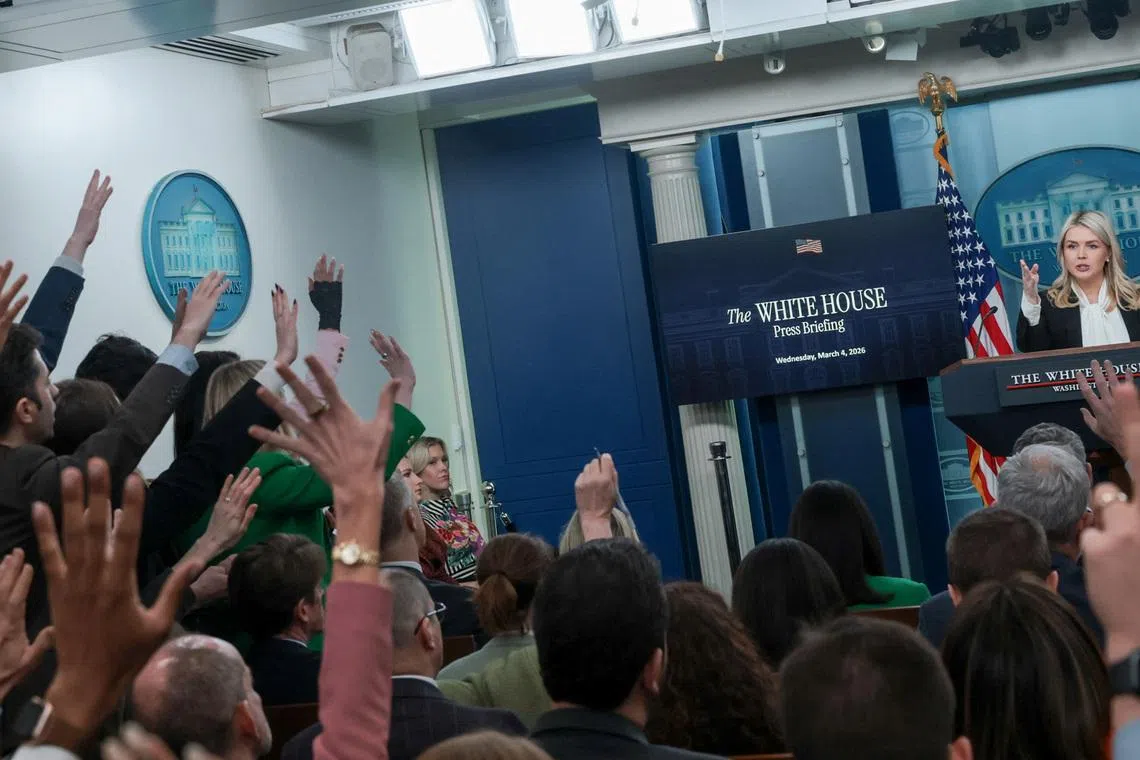
Following the initial strikes, the administration has offered varying explanations for the military intervention. Secretary of State Marco Rubio initially cited the need to prevent Iran from rebuilding its nuclear weapons program, while later statements focused on preemptively degrading Tehran’s ability to retaliate against American bases following an Israeli attack. This inconsistency in messaging, as reported by NPR, has fueled criticism and raised questions about the true motivations behind the operation. Karoline Leavitt, the White House press secretary, defended the President’s decision, stating that President Trump acted on a “feeling based on fact” that Iran was preparing to attack the United States and its allies. Leavitt’s comments, though, have been met with skepticism, as the administration has been reluctant to provide specific details about the alleged imminent threat.
Concerns Over Intelligence Sharing and Potential Domestic Threats
The decision to halt the release of the security bulletin raises concerns about the timely dissemination of critical intelligence to state and local law enforcement. These agencies are often on the front lines of responding to potential threats and rely on information from federal agencies to assess and mitigate risks. The bulletin, reportedly drafted by DHS’s Office of Intelligence and Analysis, was intended to provide guidance on how Iranian proxies might carry out attacks within the United States. The Daily Mail reported that the bulletin contained specific details on potential attack methods, but this has not been independently confirmed.
A spokesperson for the Department of Homeland Security stated that We see standard procedure for intelligence bulletins to be reviewed by the White House before distribution. However, the timing of the review, coupled with the administration’s shifting justifications for the military operation, has led to speculation about potential political interference in the intelligence process. The lack of immediate comment from the FBI and the National Counterterrorism Center further adds to the uncertainty surrounding the situation. The potential for retaliatory attacks by Iranian-backed groups within the U.S. Remains a significant concern for law enforcement officials.
Evacuations and Diplomatic Efforts
Amidst the escalating tensions, the U.S. State Department has been working to evacuate American citizens from the Middle East. According to reports, over a dozen charter flights have been completed, and “thousands” of Americans have been repatriated since last week. The exact number of Americans evacuated has not been officially released. The administration has too been engaged in diplomatic efforts to de-escalate the conflict and prevent further regional instability. However, details of these diplomatic initiatives remain limited.
The scale of Operation Epic Fury has been described as the largest U.S. Military operation in the Middle East since the 2003 invasion of Iraq. This comparison underscores the gravity of the situation and the potential for long-term consequences. The operation’s success in achieving its stated objectives – eliminating the nuclear threat, degrading Iran’s missile capabilities, and crippling its naval forces – remains to be seen. The international community is closely monitoring the situation, with many countries calling for restraint and a peaceful resolution to the conflict.
Key Takeaways
- The White House has temporarily halted the release of a security bulletin warning of potential Iran-related threats to the U.S.
- The administration cites concerns about the bulletin’s accuracy and clarity as the reason for the review.
- The decision comes amid shifting justifications for Operation Epic Fury and growing concerns about regional instability.
- The U.S. State Department is actively evacuating American citizens from the Middle East.
- The long-term consequences of the military operation remain uncertain.
The administration is expected to provide an update on the situation and the status of the security bulletin review in the coming days. The next scheduled press briefing with Karoline Leavitt is set for March 10th, 2026, where further questions regarding the rationale for the military operation and the handling of intelligence sharing are anticipated. The situation remains fluid and requires continued vigilance and careful analysis. Readers are encouraged to share their thoughts and perspectives in the comments section below.
Worth a look
- Heroic Teen Lifeguard Saves Boy from Violent Santa Cruz Surf: Viral Rescue Story
- Kanye West Settles Sexual Harassment Lawsuit With Former Employee
- CMoney Halts Margin Maintenance Ratio Data Following Exchange Discrepancies (archyworldys.com)
- Missouri’s Leadership Amidst White House-Backed Ratepayer Protection Pledge (news-usa.today)