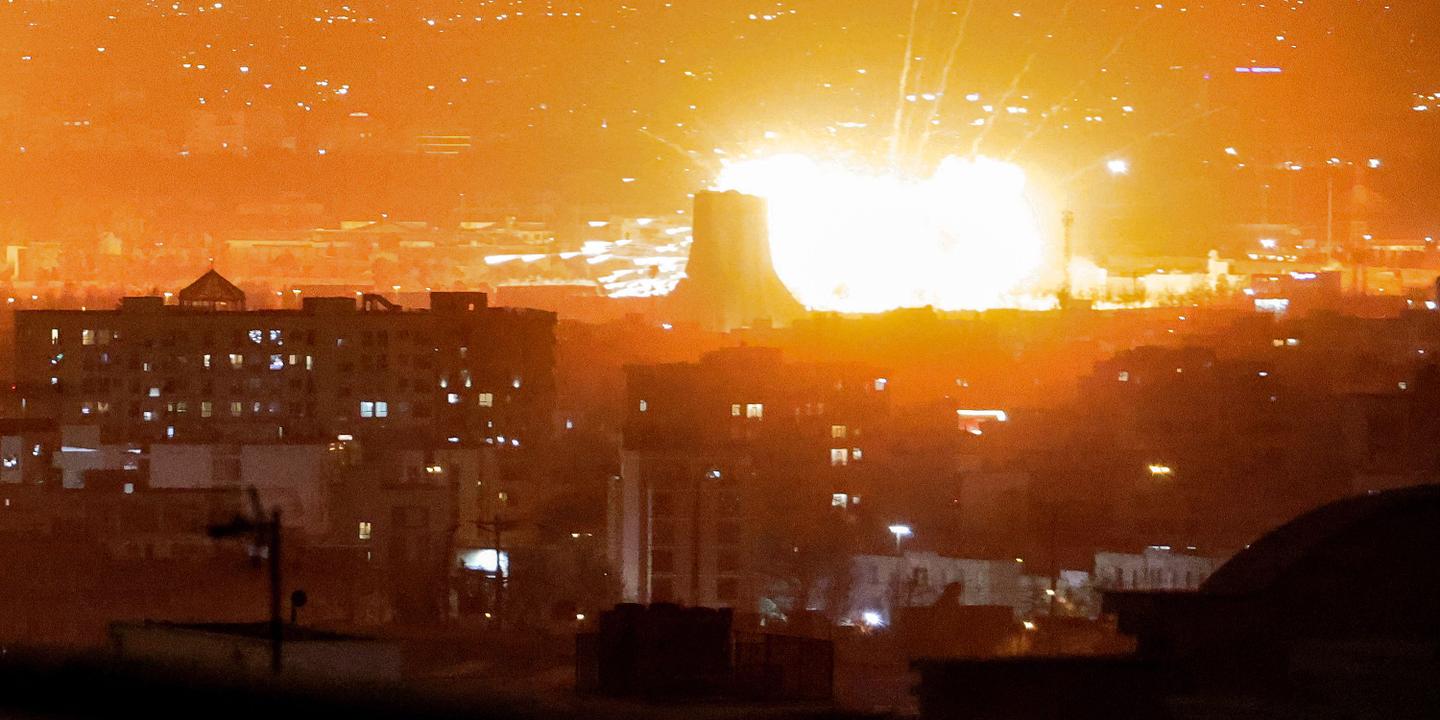
Palm Beach, Florida – Israeli Prime Minister Benjamin Netanyahu has vowed to continue striking Iran with “all” of Israel’s “force” to “eradicate the regime,” following a recent series of strikes that have dramatically escalated tensions in the Middle East. The comments, made in a televised address, reach amidst a backdrop of international concern and a deepening crisis that has drawn in the United States, with President Donald Trump publicly backing Israel’s actions. The situation is rapidly evolving, with potential ramifications for global stability and energy markets.
Netanyahu’s statements signal a firm commitment to a military strategy aimed at dismantling Iran’s military capabilities and, as he framed it, liberating the Iranian people from what he called “the yoke of tyranny.” This aggressive stance follows a joint military operation with the United States, launched on February 28th, dubbed “Epic Fury” by the Americans and “Roaring Lion” by the Israelis. The operation targeted strategic sites within Iran and reportedly aimed to eliminate key figures within the Iranian government. The scale and intensity of these strikes represent a significant escalation of the long-standing conflict between Israel and Iran, operating outside of any clear legal framework, as noted by observers.
Escalation and Alleged Targets
According to Netanyahu’s address, the initial phase of the operation focused on eliminating high-ranking Iranian officials, including Ayatollah Ali Khamenei, Iran’s Supreme Leader. He claimed that Israeli and American forces successfully destroyed government installations, weapons factories and hundreds of ballistic missile launchers. These claims have not been independently verified by international observers, and Iranian officials have yet to release a comprehensive assessment of the damage. However, reports indicate significant damage to infrastructure and military facilities within Iran. Le Nouvel Obs reports that the strikes began around 9:30 AM, with Israeli fighter jets targeting the heart of the Iranian power structure during a meeting of senior regime officials.
The United States, under President Trump, has offered strong support for Israel’s actions, with Netanyahu stating that Trump “understood the magnitude of the danger to the United States and the world.” This support marks a continuation of the close alliance between the two countries, and a willingness by the Trump administration to accept a hard line against Iran. The involvement of the U.S. Adds a critical dimension to the conflict, raising concerns about a wider regional war. The nature of this support, including the extent of U.S. Military participation, remains a subject of intense scrutiny.
International Reactions and Concerns
The international community has reacted with a mix of concern and calls for de-escalation. French President Emmanuel Macron has spoken with both Trump and Netanyahu, urging them to respect the territorial integrity of Lebanon, signaling fears that the conflict could spill over into neighboring countries. Le Figaro reported on Macron’s calls for restraint on March 5th, 2026. The potential for a broader regional conflict is a major worry for global powers, particularly given the volatile situation in the Middle East and the ongoing conflicts in Syria and Yemen.
The strikes have also raised concerns about humanitarian consequences and the potential for civilian casualties. While both Israel and the United States have stated their intention to avoid harming civilians, the nature of the targets – including government buildings and military facilities – raises the risk of collateral damage. The impact on the Iranian population, already facing economic hardship, is a significant concern. The disruption to regional energy supplies could have a ripple effect on global markets.
Netanyahu and Trump’s Shared Objectives
Analysts suggest that the current escalation is driven by a convergence of strategic and personal objectives for both Netanyahu and Trump. La Croix highlights that Netanyahu is seeking to distance himself from the legacy of the October 7th attacks, the worst in Israel’s history, while Trump appears focused on securing his place in history and potentially earning a Nobel Peace Prize. This pursuit of personal legacies, coupled with a shared hawkish stance towards Iran, appears to have fueled a willingness to take significant risks in the region.
The article in La Croix points out that Trump is driven by an “exacerbated ego” and a desire to leave a lasting mark on the world stage. Netanyahu, facing domestic political pressure, is similarly motivated to demonstrate strength and resolve in the face of perceived threats. This alignment of personal ambitions has created a dangerous dynamic, where the potential for miscalculation and escalation is heightened.
The Future of the Conflict and Potential Outcomes
Netanyahu’s warning to the Iranian people – “Whoever lays down their arms will not be harmed; whoever refuses will suffer the consequences” – underscores the Israeli government’s intention to pursue a decisive outcome. He also expressed hope for a future where Israelis and Iranians could once again be friends, but this vision appears contingent on a fundamental change in the Iranian regime. The feasibility of such a scenario remains highly uncertain.
The immediate future is likely to be characterized by continued military operations and heightened tensions. Iran is expected to retaliate for the strikes, potentially targeting Israeli and American interests in the region. The risk of a wider regional conflict, involving countries such as Lebanon, Syria, and Saudi Arabia, is significant. The involvement of non-state actors, such as Hezbollah, further complicates the situation.
The long-term consequences of the conflict are tough to predict. A prolonged war could destabilize the Middle East, leading to a humanitarian crisis and a surge in refugee flows. It could also disrupt global energy supplies and have a negative impact on the global economy. The outcome will likely depend on a complex interplay of military, political, and economic factors.
Key Takeaways
- Israel has launched a series of strikes against Iran, with Prime Minister Netanyahu vowing to continue military action until the regime is “eradicated.”
- The United States, under President Trump, is providing strong support for Israel’s actions.
- The international community is expressing concern and calling for de-escalation.
- The conflict is driven by a convergence of strategic and personal objectives for both Netanyahu and Trump.
- The potential for a wider regional conflict and significant humanitarian consequences is high.
The situation remains fluid and unpredictable. The next key development to watch will be Iran’s response to the recent strikes, and the potential for further escalation. The international community will be closely monitoring the situation, seeking to prevent a wider conflict and mitigate the humanitarian consequences.
World Today Journal will continue to provide updates on this developing story as it unfolds. We encourage readers to share their thoughts and perspectives in the comments section below.
- Sterling Point Review: Prime Video’s Refreshing Teen Drama Is an Antidote to Screen Culture
- South Korea Implements ‘8-Week Rule’ for Minor Car Insurance Injuries
- Khamenei warns Iranian president Pezeshkian over resignation threats (archyde.com)
- Dengue Fever Alert: Miami-Dade Confirms Case and Warns of Symptoms (time.news)