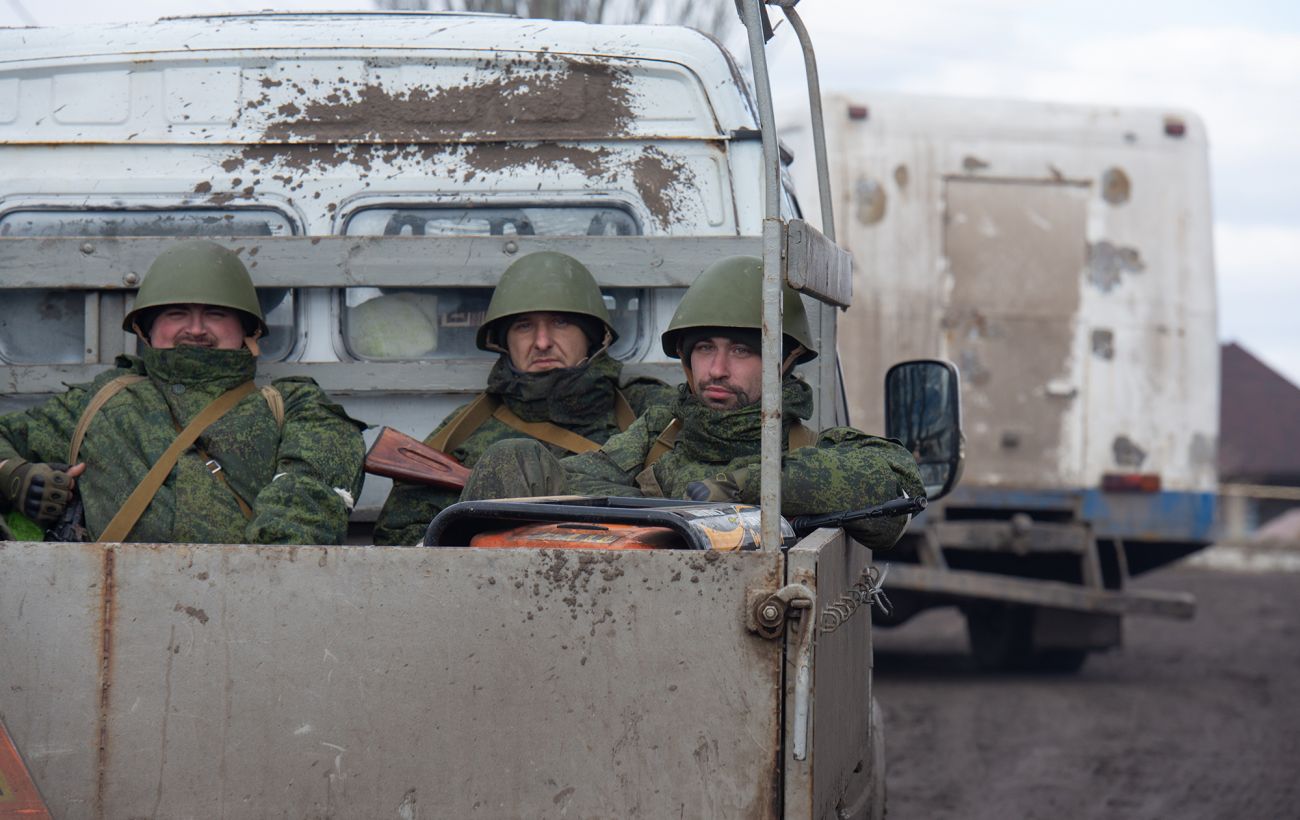
Russian Forces Shift Troops Amidst Ukrainian Counterattacks
Moscow is reportedly redeploying elements of its forces from the Pokrovsk and Dobropillia areas in eastern Ukraine to bolster its defenses in the south, a move analysts say is a direct response to increasingly active Ukrainian operations in the Zaporizhzhia and Dnipropetrovsk regions. The shift, which includes units of the Russian Airborne Forces (VDV) and Naval Infantry, signals a reassessment of priorities as Ukraine continues to probe Russian lines and exploit vulnerabilities. This comes as fighting remains intense around Pokrovsk, a key strategic point in the Donetsk Oblast, and follows earlier reports of Ukrainian forces encircling Russian units near Dobropillia.
The Institute for the Study of War (ISW) assesses that the redeployment is a reactive measure prompted by recent Ukrainian successes. The Ukrainian military has demonstrated an ability to identify and exploit weaknesses in Russian defenses, forcing the Russian command to rapidly reinforce threatened sectors. This pattern of shifting forces in response to Ukrainian initiatives has been observed previously, highlighting a persistent challenge for Russian military planners. The ongoing conflict continues to evolve, with both sides adapting their strategies in a dynamic battlefield environment.
Recent Developments in the Pokrovsk-Dobropillia Sector
Ukrainian forces have made incremental gains in the vicinity of Dobropillia, successfully encircling portions of Russian troops in the area and liberating the settlement of Novoeconomichne. Reports from September 2, 2025, indicate that these encircled units are facing logistical challenges and sustaining significant casualties, though they continue to resist. The situation around Pokrovsk remains particularly volatile, with Russia concentrating approximately 100,000 soldiers in the area, according to Ukrainian military estimates. The intensity of the fighting has led to a fluid and unpredictable situation on the ground.
However, Russian forces have also demonstrated a capacity for localized counterattacks. Focus.ua reported that Russia is attempting to deblockade its forces near Dobropillia and regain lost ground. These efforts are being met with resistance from Ukrainian troops, who are conducting counterattacks to consolidate their positions and potentially expand the encirclement. The back-and-forth nature of the fighting underscores the high stakes and the determination of both sides to control this critical area.
Strategic Shift to the South: Reinforcing Vulnerable Areas
The redeployment of Russian forces to the south appears to be focused on bolstering defenses against Ukrainian advances in the Zaporizhzhia and Dnipropetrovsk regions. Ukrainian forces have been conducting sustained counterattacks in these areas since late January and early February 2026, aiming to disrupt Russian supply lines and create opportunities for breakthroughs. The ISW believes that the transfer of troops, including elements of the Pacific Fleet’s Naval Infantry, is a direct response to these ongoing Ukrainian operations.
What we have is not an isolated incident. Russian commanders have previously employed a similar tactic of shifting “relatively elite” units, such as Naval Infantry, to address critical situations on the front lines. The BBC reported that in August 2024, during fighting in the Kursk region, Russian forces similarly redeployed units in response to Ukrainian counterattacks. This pattern suggests a reactive approach to battlefield challenges, prioritizing the reinforcement of areas under immediate threat.
The Role of the 76th Airborne Division
The 76th Airborne Division (VDV) has also been involved in these redeployment efforts. Analysts note that elements of the 76th VDV were previously used to respond to crises on the front lines, though their initial deployment to the south may not have been a direct reaction to the Ukrainian counterattacks in Zaporizhzhia and Dnipropetrovsk, as those offensives gained momentum later. However, these VDV elements are now actively participating in countering the Ukrainian advances that began in late January and early February 2026. This highlights the flexibility of the Russian military in deploying its forces to address evolving battlefield conditions.
Implications for the Wider Conflict
The redeployment of Russian troops reflects the ongoing challenges faced by the Russian military in Ukraine. While Russia maintains a significant numerical advantage in terms of personnel, its forces are stretched thin across a vast front line. The need to constantly shift units in response to Ukrainian initiatives indicates a lack of strategic depth and a vulnerability to localized counterattacks. This dynamic could potentially limit Russia’s ability to launch large-scale offensives and achieve its strategic objectives.
The Ukrainian military, meanwhile, continues to demonstrate its adaptability and resilience. By focusing on exploiting weaknesses in Russian defenses and conducting targeted counterattacks, Ukraine is forcing Russia to react and divert resources. This approach allows Ukraine to maintain the initiative and potentially create opportunities for more significant gains in the future. The ongoing conflict remains a complex and unpredictable situation, with the outcome dependent on a multitude of factors, including the continued flow of Western aid to Ukraine and the ability of both sides to adapt to changing battlefield conditions.
Key Takeaways
- Russian forces are redeploying units from the Pokrovsk and Dobropillia sectors to the south of Ukraine.
- This shift is a response to increased Ukrainian counterattacks in the Zaporizhzhia and Dnipropetrovsk regions.
- The redeployment includes elements of the Russian Airborne Forces (VDV) and Naval Infantry.
- Russia has previously employed similar tactics of shifting forces in response to Ukrainian initiatives.
The situation on the ground remains fluid, and further developments are expected in the coming weeks. Ukrainian officials have not yet commented on the reported Russian troop movements, and independent verification of the extent of the redeployment is ongoing. The next key development to watch will be any official statements from the Ukrainian Ministry of Defence regarding the situation in the south and the impact of the Russian troop movements. We will continue to monitor the situation closely and provide updates as they become available. Share your thoughts and analysis in the comments below.
- Ashley Garibay Identified as Victim in Twin Falls In-N-Out Burger Shooting
- US Imposes Duties on Trading Partners Over Forced Labor Concerns
- Odesa Attack: 13 Injured as Russian Strike Hits Transport Infrastructure (time.news)
- Russian Military Bloggers Report Heavy Casualties And Low Life Expectancy For New Recruits (newsdirectory3.com)