Townsville, a vibrant coastal city in North Queensland, Australia, is increasingly attracting attention as a destination for both domestic and international travelers. While a recent, brief online entry offered little detail, a closer look reveals a city steeped in history, surrounded by natural beauty, and poised for continued growth. As of 2025, the city boasts a population of 202,367, making it the largest urban center in North Queensland and a key administrative hub for the region.
The city’s strategic location – approximately 348 kilometers south-southeast of Cairns and 386 kilometers northwest of Mackay – has long been a factor in its development. Established in 1865, Townsville quickly became a crucial port for the region’s pastoral industry, facilitating the export of livestock and agricultural products. Today, the Port of Townsville remains a vital economic engine, handling a diverse range of cargo and supporting numerous industries. The city’s growth is overseen by Mayor Nick Dametto and represented in state parliament by the electorates of Townsville, Thuringowa, Mundingburra, Burdekin, and Hinchinbrook. Federally, Townsville falls primarily within the division of Herbert, with a little portion included in Dawson.
A City Shaped by its Environment
Townsville’s appeal lies significantly in its unique environment. Situated on the northeastern coast of Queensland, the city enjoys a tropical climate with warm temperatures year-round. The mean maximum temperature is 28.9°C (84.0°F), while the mean minimum temperature is 19.8°C (67.6°F). Annual rainfall averages 1,134.7 mm (44.67 inches), contributing to the lush landscapes that surround the city. Townsville’s geography is also defined by Castle Hill, a prominent landmark offering panoramic views of the city and coastline, and The Strand, a picturesque beachfront promenade.
Beyond the city limits, Magnetic Island, a short ferry ride away, offers a tropical paradise for nature lovers. The island is known for its secluded beaches, walking trails, and abundant wildlife, including koalas. A recent YouTube exploration of Townsville and Magnetic Island highlighted the area’s hidden gems and natural beauty.
Economic Drivers and Infrastructure
Townsville’s economy is diverse, encompassing sectors such as port operations, agriculture, defense, education, and tourism. The presence of James Cook University and the Townsville University Hospital contributes to a skilled workforce and a thriving healthcare sector. The city also serves as a key logistical hub for mining operations in the region. The North Queensland Stadium, a modern sporting and entertainment venue, has further boosted the city’s profile and attracted major events.
Significant infrastructure projects have been undertaken in recent years to support Townsville’s growth. These include upgrades to the port facilities, improvements to the road network, and the development of new residential and commercial areas. The city’s area covers 693.3 km² (267.7 sq mi), and its elevation is 15 m (49 ft). The city is located in the County of Elphinstone.
The Port of Townsville: A Gateway to Northern Australia
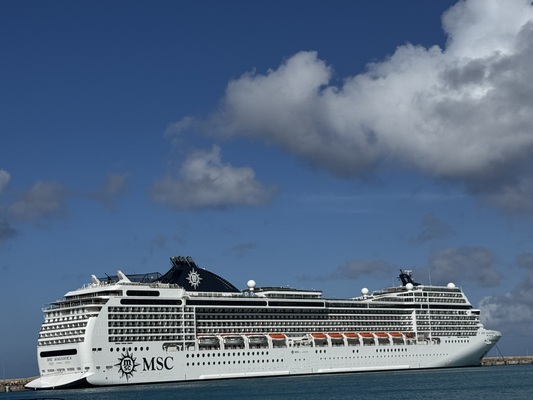
The Port of Townsville is arguably the city’s most essential economic asset. It is a major gateway for trade with Asia and other parts of the world, handling a wide range of commodities including sugar, minerals, and livestock. The port is undergoing a significant expansion project, aimed at increasing its capacity and efficiency to meet growing demand. This expansion is expected to further solidify Townsville’s position as a key logistics hub for Northern Australia.
Challenges and Future Outlook
Like many coastal cities, Townsville faces challenges related to climate change, including the risk of extreme weather events such as cyclones and flooding. The city is actively investing in infrastructure and planning measures to mitigate these risks and enhance its resilience. Another challenge is managing the growth of the population while preserving the city’s unique character and environmental assets.
Despite these challenges, the outlook for Townsville remains positive. The city’s strategic location, diverse economy, and attractive lifestyle are expected to continue to attract investment and population growth. Ongoing infrastructure projects and a focus on sustainable development are laying the foundation for a prosperous future. The city’s commitment to innovation and collaboration is also fostering a vibrant entrepreneurial ecosystem.
Tourism and the Appeal of Magnetic Island
Tourism plays an increasingly important role in Townsville’s economy. The city’s proximity to the Great Barrier Reef and Magnetic Island makes it an attractive destination for both domestic and international visitors. Magnetic Island, in particular, offers a unique blend of natural beauty, wildlife encounters, and outdoor activities. The island’s relaxed atmosphere and pristine beaches provide a welcome escape from the hustle and bustle of city life.
The city is actively promoting its tourism offerings through marketing campaigns and partnerships with travel agencies. Efforts are also underway to develop new tourism products and experiences, such as eco-tours and cultural events. The goal is to attract a wider range of visitors and increase the economic benefits of tourism for the local community.
Townsville is a city on the rise, blending its rich history with a forward-looking vision. Its strategic location, diverse economy, and stunning natural environment position it as a key player in the development of Northern Australia. As the city continues to grow and evolve, it is poised to become an even more attractive destination for residents, businesses, and visitors alike.
The City of Townsville council is scheduled to discuss further infrastructure development plans at their next meeting on March 22, 2026. For more information on Townsville and its ongoing development, please visit the official City of Townsville website. We encourage you to share your thoughts and experiences with Townsville in the comments below.
Related reading