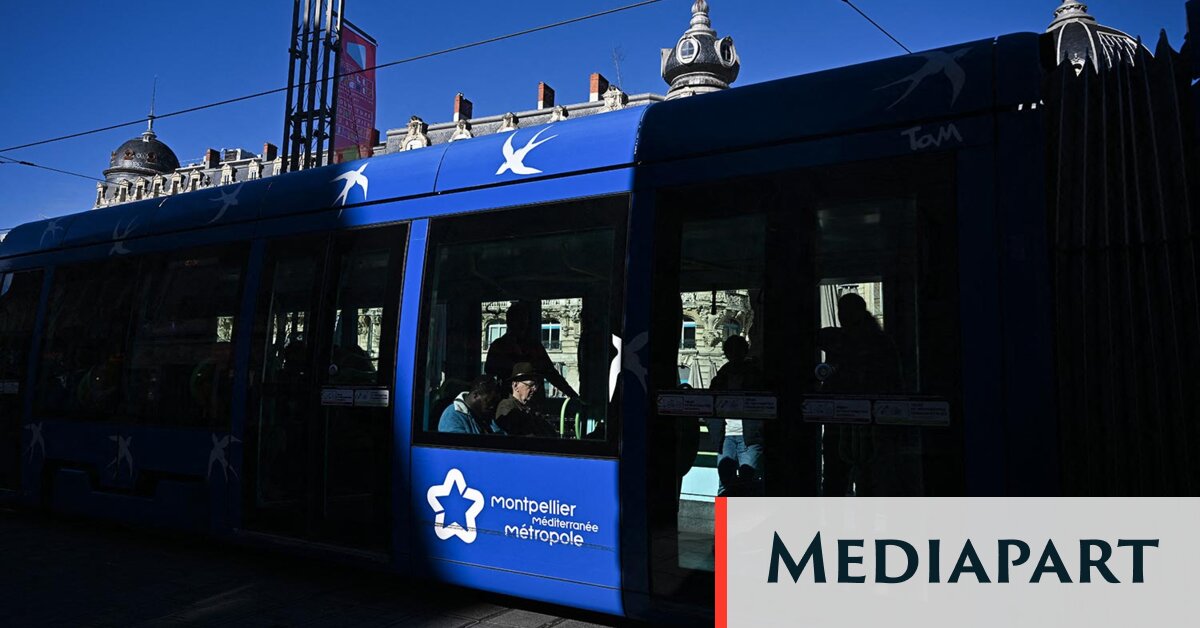
Montpellier’s Bold Experiment: A Year of Free Public Transportation
Montpellier, a city in southern France, is now over a year into a groundbreaking social experiment: free public transportation for all residents. Launched on December 21, 2023, the initiative has positioned Montpellier as the largest metropolis in Europe to offer such a benefit, aiming to reduce traffic congestion, improve air quality, and enhance accessibility for its citizens. While proponents hail it as a progressive step towards a more equitable and sustainable urban environment, the policy has also sparked debate regarding its long-term financial viability and practical implementation. This article examines the details of Montpellier’s free transport system, its impact so far, and the challenges it faces.
The “Pass Gratuité,” or Free Pass, is the cornerstone of this ambitious project. It allows residents of the Montpellier Méditerranée Métropole – encompassing 31 communes and nearly 500,000 inhabitants – to ride buses and trams without paying a fare. The initiative extends to residents of Montarnaud through an experimental program slated to run until August 31, 2026. TaM (Transports de Montpellier Méditerranée Métropole), the local transport authority, manages the system. Obtaining the pass requires a valid ID, a photo ID, and proof of residency. For minors, parental authorization is also necessary.
How the Pass Gratuité Works
Accessing the Pass Gratuité is primarily done through the M’Ticket TaM mobile application. Residents can also apply online or at TaM mobility centers. Crucially, simply possessing the pass isn’t enough. users must present their TaM card or the QR code from the M’Ticket TaM app during ticket inspections. This ensures accountability and helps track usage data. The system isn’t entirely without strings attached for those who also drive. The “P+tram” scheme, launched concurrently with the free transport, allows residents to park for free for 24 hours at nine designated park-and-ride locations, but only if they demonstrate use of the tram system by declaring their journey on the M’Ticket TaM app. Montpellier officials designed this to encourage a modal shift from private vehicles to public transport.
Non-residents are not excluded entirely. Those with monthly or annual subscriptions retain free access to P+Tram facilities. Non-residents can also purchase P+Tram passes at automated kiosks. However, all non-residents, or residents without the Pass Gratuité, are required to purchase valid tickets for bus and tram travel.
Addressing Concerns and Initial Impacts
The implementation of the Pass Gratuité hasn’t been without its challenges. One primary concern revolves around the financial sustainability of the system. While the initial investment and ongoing operational costs are significant, the city hopes to offset these through increased ridership, reduced traffic congestion (leading to lower infrastructure maintenance costs), and potential economic benefits from improved accessibility. The city has not yet released a comprehensive cost-benefit analysis publicly, but officials have indicated they are monitoring key performance indicators closely.
Another concern raised initially was the potential for increased overcrowding on public transport. While ridership has undoubtedly increased since the launch of the program, TaM has not reported widespread issues with overcrowding. The agency has been actively monitoring passenger flow and adjusting service levels as needed. Reports suggest that the initiative is influencing urban planning and the real estate market, with areas near tram lines becoming increasingly desirable.
The Broader Context: Free Public Transport Globally
Montpellier is not the first city to experiment with free public transport, but We see the largest. Several cities around the world have implemented similar policies, often on a smaller scale. Luxembourg made public transport free nationwide in 2020, and cities like Tallinn, Estonia, and Dunkirk, France, have also experimented with fare-free systems. The results have been mixed, with some cities reporting significant increases in ridership and positive environmental impacts, while others have faced financial challenges and operational difficulties.
The success of these initiatives often depends on a variety of factors, including the size of the city, the existing public transport infrastructure, the level of government funding, and the overall economic context. Montpellier’s case is particularly noteworthy due to its size and the comprehensive nature of its program, covering an entire metropolitan area.
The P+Tram Integration: A Unique Approach
The integration of the P+tram scheme with the Pass Gratuité is a particularly innovative aspect of Montpellier’s approach. By incentivizing the use of public transport in conjunction with park-and-ride facilities, the city aims to reduce the number of cars entering the city center, thereby alleviating traffic congestion and improving air quality. This approach addresses a common criticism of free public transport initiatives – that they may not significantly reduce car usage if convenient parking options remain readily available.
The P+tram scheme also provides a financial incentive for residents to choose public transport, as the free parking benefit can save commuters a significant amount of money. However, the requirement to declare tram usage via the M’Ticket TaM app adds a layer of complexity to the system and may deter some users.
Looking Ahead: The Future of Free Transport in Montpellier
As Montpellier moves forward with its free public transport initiative, several key questions remain. The long-term financial sustainability of the system will be a critical factor in its success. The city will need to carefully monitor ridership levels, operational costs, and potential revenue streams to ensure that the program remains viable. The ongoing experiment in Montarnaud, extending the free transport benefit until August 31, 2026, will provide valuable data and insights.
the city will need to address any operational challenges that arise, such as overcrowding or maintenance issues. Investing in infrastructure improvements and expanding service levels may be necessary to accommodate increased demand. The success of Montpellier’s experiment could pave the way for other cities to adopt similar policies, potentially transforming urban mobility and creating more sustainable and equitable communities.
The next major checkpoint will be the release of a comprehensive evaluation report on the first two years of the Pass Gratuité program, expected in late 2025. This report will likely provide detailed data on ridership, costs, and environmental impacts, offering a clearer picture of the initiative’s overall effectiveness. Stay tuned to World Today Journal for continued coverage of this evolving story.
What are your thoughts on free public transportation? Share your comments below and let us realize how this initiative might impact cities around the world.
Worth a look