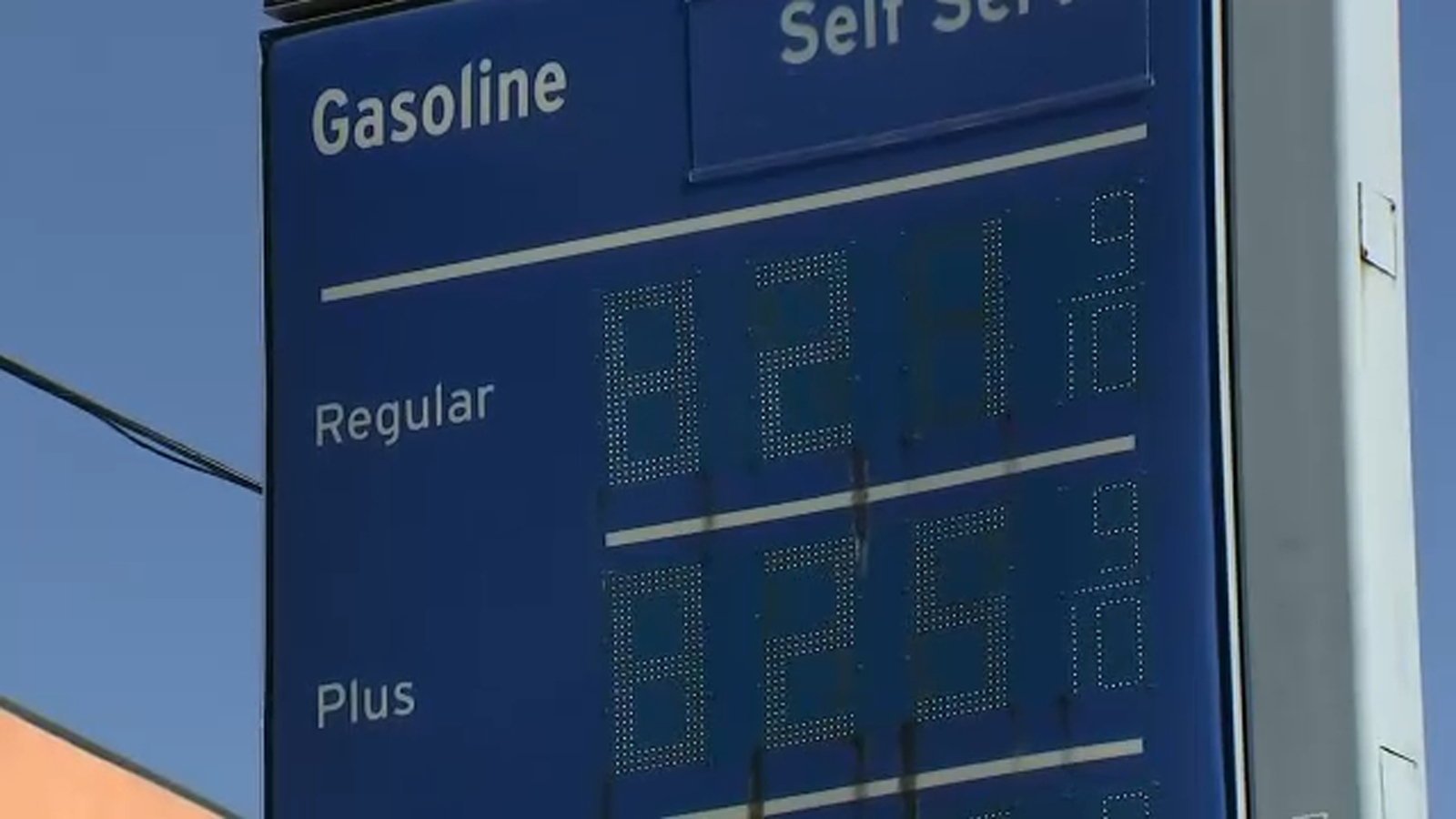
Los Angeles, CA – Drivers across Southern California are facing a significant surge in gasoline prices, with Los Angeles County now averaging $5.17 per gallon as of today, March 8, 2026. The escalating costs at the pump are directly linked to the ongoing conflict in the Middle East, specifically the recent exchange of attacks between Iran and Israel, which has injected considerable volatility into global oil markets. Although prices were already trending upwards due to seasonal demand, the intensification of the geopolitical crisis has accelerated the rate of increase, leaving many commuters and businesses struggling to cope.
The situation is particularly acute in several counties within the region. Orange County residents are paying an average of $5.15 per gallon, while those in Riverside County are seeing prices at $5.06. These figures represent a substantial financial burden for many, especially those reliant on personal vehicles for work and daily life. The national average has risen nearly 50 cents a gallon in the week since the conflict began, according to data from AAA, highlighting the widespread impact of the international situation on domestic fuel costs.
Escalating Tensions and Oil Market Response
The current price hikes are a direct consequence of the heightened tensions between Iran and Israel. On March 5, 2026, Iran launched eight volleys of ballistic missiles at Israel, prompting retaliatory strikes from the Israel Defense Forces (IDF) on targets within Iran, as reported by the Times of Israel. These attacks have raised concerns about potential disruptions to oil supply routes in the region, a critical artery for global energy markets. The fear of supply shortages has driven up crude oil prices, which in turn translates to higher prices at the gas station.
According to a military source cited by the Iranian Fars news agency, Iran has launched over 500 ballistic and cruise missiles and over 2,000 drones since the start of the conflict. While a significant portion of these attacks were reportedly targeted at American sites in the region, the broader instability has created a ripple effect throughout the global energy landscape. The IDF has claimed to have destroyed over 300 missile launchers in Iran and reports suggest that attacks are now targeting underground Iranian facilities, further escalating the conflict and uncertainty.
California’s Unique Market Dynamics
While the international conflict is a primary driver of the current price surge, California’s gasoline market is uniquely susceptible to price fluctuations due to a combination of factors. The state’s stringent environmental regulations, which require a special blend of gasoline to reduce pollution, limit the supply of available fuel. California has experienced a reduction in in-state gasoline production in recent years, increasing its reliance on imports from other regions. These factors contribute to a consistently higher baseline price for gasoline in California compared to the national average.
Experts note that California’s cap-and-trade program, designed to reduce greenhouse gas emissions, as well adds to the cost of fuel. The program requires fuel suppliers to purchase allowances for each ton of carbon dioxide emitted, and these costs are ultimately passed on to consumers. These regulatory policies, while aimed at environmental protection, contribute to the state’s vulnerability to price shocks in the global oil market.
Impact on Consumers and Businesses
The rising cost of gasoline is having a tangible impact on consumers and businesses across Southern California. Ride-share drivers, delivery services, and commuters are particularly affected, as fuel expenses represent a significant portion of their operating costs. Many drivers are actively seeking out the lowest prices, with some willing to travel considerable distances to save a few cents per gallon.
“I mean, I drive Uber and I’m just getting killed right now, and I mean gas prices are just so high… they were high before the war,” one driver told local news. Others expressed similar frustrations, highlighting the financial strain imposed by the escalating fuel costs. At one station in Exposition Park, gas was reportedly available for just over $4 a gallon, while a nearby Chevron station was charging $8.21, a stark illustration of the price disparities within the region. “It’s insane, insane work… it’s too too high,” said one driver at the Chevron station.
Regional Price Variations and Resources for Drivers
The price of gasoline varies significantly across Southern California, with some stations charging considerably more than others. As of today, March 8, 2026, prices in Los Angeles County average $5.17 per gallon, while Orange County is at $5.15 and Riverside County at $5.06. Drivers are encouraged to shop around and utilize resources like GasBuddy.com to find the cheapest prices in their area.
The situation is further complicated by the fact that some stations may be experiencing supply issues, leading to temporary closures or limited availability. This can exacerbate price fluctuations and create additional challenges for drivers. The California Energy Commission is monitoring the situation closely and working to ensure adequate fuel supplies throughout the state.
Looking Ahead: Potential for Further Price Increases
The outlook for gasoline prices remains uncertain, as the conflict in the Middle East continues to unfold. Any further escalation of hostilities, or disruptions to oil supply routes, could lead to additional price increases. The U.S. Energy Information Administration (EIA) is closely monitoring the situation and will provide updated forecasts in the coming weeks. The EIA’s Short-Term Energy Outlook, released on March 5, 2026, indicated that crude oil prices are expected to remain elevated in the near term, but the extent of the increase will depend on the trajectory of the conflict.
the upcoming spring driving season typically sees increased demand for gasoline, which could put additional upward pressure on prices. The combination of geopolitical instability and seasonal demand creates a challenging environment for consumers and businesses alike. The situation is being closely watched by policymakers and industry analysts, who are exploring potential measures to mitigate the impact of rising fuel costs.
The Israeli military has also been striking Iranian fuel sites, rocking Tehran and the neighboring city of Karaj with explosions, according to reporting from the New York Times. This further complicates the supply picture and adds to the uncertainty in the market.
As of today, March 8, 2026, hundreds of activists have marched in New York City to protest the U.S.-Israeli actions in Iran, as reported by Al Jazeera, demonstrating the growing international concern over the conflict and its potential consequences.
The next key development to watch will be any announcements from the Iranian government regarding potential retaliatory measures in response to the recent attacks. Any disruption to oil production or shipping in the Persian Gulf could have a significant impact on global oil prices and, on gasoline prices in Southern California and beyond.
Stay informed and share your experiences. What impact are rising gas prices having on your daily life? Leave a comment below and share this article with your network.
Related reading