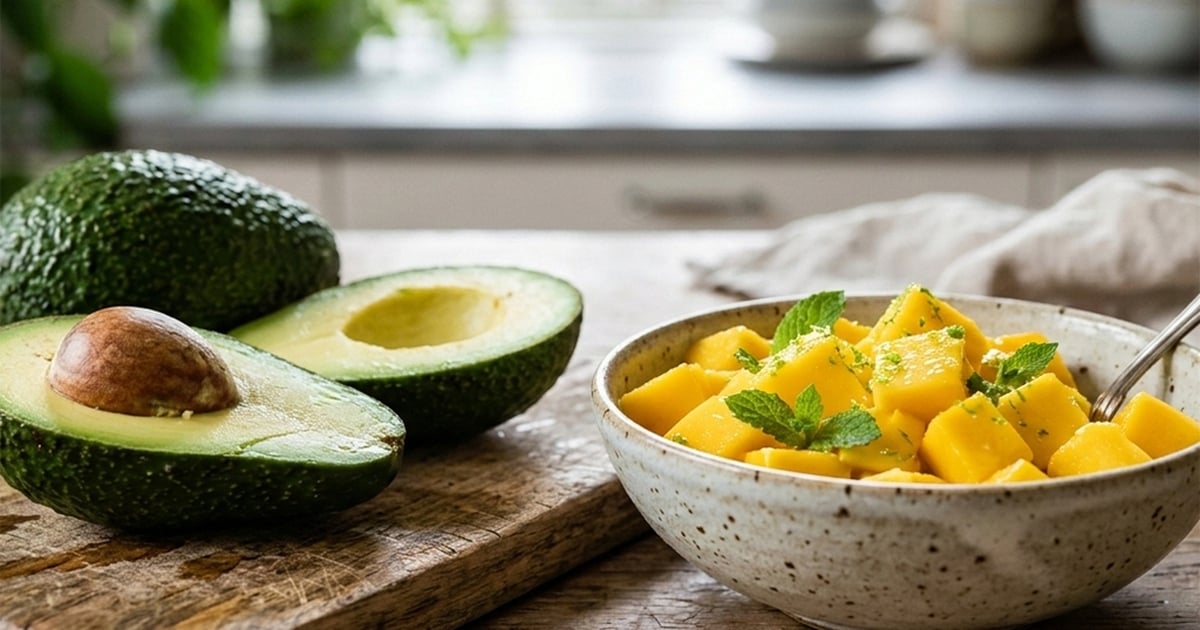
A Surprising Combination for Heart Health: Avocados and Mangoes
Maintaining a healthy heart is a lifelong pursuit, often involving careful attention to diet and lifestyle. While many fruits are lauded for their cardiovascular benefits, recent research highlights an unexpected pairing that may offer significant protection, particularly for individuals at risk of developing heart disease. A study published in the Journal of the American Heart Association (JAHA) suggests that incorporating avocados and mangoes into the daily diet can lead to measurable improvements in vascular health, especially in those with prediabetes. This finding offers a potentially simple and delicious strategy for mitigating cardiovascular risk, a leading cause of death globally.
Prediabetes, a condition characterized by higher-than-normal blood sugar levels, significantly increases the risk of progressing to type 2 diabetes and developing cardiovascular disease. According to the Centers for Disease Control and Prevention (CDC), in 2022, 97.6 million U.S. Adults – 38% of the adult population – had prediabetes and more than 80% of them were unaware they had it. CDC. This underscores the importance of identifying and addressing risk factors early on. The study, conducted by researchers at the Center for Clinical Nutrition Research at the Illinois Institute of Technology, investigated whether the daily consumption of avocados and mangoes could positively influence vascular function in individuals with prediabetes.
The research involved 82 participants with an average age of 45, all diagnosed with prediabetes. Participants were randomly divided into two groups: an avocado-mango diet group and a control group. The avocado-mango group consumed one avocado and one cup (approximately 165 grams) of mango daily for eight weeks. The control group consumed a comparable amount of calories and carbohydrates from alternative foods that did not include avocados or mangoes. Both groups maintained similar dietary patterns allowing researchers to isolate the effects of the avocado-mango combination. Researchers assessed vascular function by measuring flow-mediated dilation (FMD), a measure of how well blood vessels expand in response to increased blood flow, arterial stiffness, blood pressure, and other relevant health parameters.
Improved Vascular Function with a Simple Dietary Change
The results of the study, published in JAHA, revealed a significant improvement in flow-mediated dilation among participants in the avocado-mango group. This indicates enhanced endothelial function, which is crucial for maintaining healthy blood vessels. The endothelium, the inner lining of blood vessels, plays a vital role in regulating blood flow and preventing the buildup of plaque. Endothelial dysfunction is often an early sign of cardiovascular disease, making its improvement a key indicator of heart health. The study demonstrated that daily consumption of one avocado and one cup of mango could demonstrably improve this critical function in individuals with prediabetes.
Researchers attribute these benefits to the unique nutritional profiles of avocados and mangoes. Avocados are rich in heart-healthy monounsaturated fats and fiber, both of which contribute to improved cholesterol levels and reduced inflammation. According to the American Heart Association, incorporating healthy fats into the diet can help lower LDL (“bad”) cholesterol and raise HDL (“good”) cholesterol. American Heart Association. Mangoes, are an excellent source of vitamin C, potassium, and other essential nutrients. These nutrients work synergistically with the fats and fiber in avocados, providing a broader spectrum of beneficial compounds for the body. The combination appears to be more effective than consuming either fruit in isolation.
Daily consumption of one avocado and one cup of mango may significantly improve cardiovascular health.
Implications for Cardiovascular Health and Diabetes Prevention
The study’s authors concluded that even a small, consistent dietary change, such as incorporating one avocado and one cup of mango into the daily routine, can significantly improve cardiovascular indicators, particularly in individuals at high risk for heart disease and diabetes. Here’s particularly encouraging because it suggests that relatively simple and accessible dietary modifications can have a substantial impact on health outcomes. The findings are relevant not only for those with prediabetes but also for the broader population seeking to optimize their cardiovascular health.
The benefits extend beyond improved endothelial function. Potassium, abundant in both avocados and mangoes, plays a crucial role in regulating blood pressure. The National Heart, Lung, and Blood Institute (NHLBI) emphasizes the importance of potassium-rich diets in managing hypertension. NHLBI. The fiber content in these fruits contributes to feelings of fullness, potentially aiding in weight management, another key factor in cardiovascular health. Obesity is a major risk factor for heart disease, and maintaining a healthy weight is essential for prevention.
While the study focused on individuals with prediabetes, the principles of incorporating nutrient-rich foods into the diet apply to everyone. A balanced diet, rich in fruits, vegetables, whole grains, and lean protein, remains the cornerstone of cardiovascular health. However, the specific combination of avocados and mangoes offers a unique and potentially powerful addition to that foundation. Further research is needed to explore the long-term effects of this dietary pattern and to determine its efficacy in other populations.
Practical Considerations and Future Research
Implementing this dietary change is relatively straightforward. Avocados and mangoes are widely available in most regions, even though seasonality and cost may vary. A medium-sized avocado typically contains around 240 calories and 13 grams of fiber, while one cup of sliced mango provides approximately 100 calories and 2.6 grams of fiber. It’s important to consider these caloric contributions when incorporating these fruits into an overall dietary plan. Individuals with allergies to either fruit should, of course, avoid them.
Future research should investigate the optimal dosage of avocados and mangoes for cardiovascular benefits, as well as the potential synergistic effects with other dietary components. Exploring the underlying mechanisms by which these fruits improve vascular function could also lead to the development of targeted therapies for cardiovascular disease. Studies examining the impact of this dietary pattern on other health markers, such as inflammation and blood sugar control, would provide a more comprehensive understanding of its benefits.
The findings from this study offer a promising and accessible approach to improving cardiovascular health. By simply adding one avocado and one cup of mango to their daily diet, individuals, particularly those with prediabetes, may be able to significantly reduce their risk of heart disease. This underscores the power of food as medicine and the importance of making informed dietary choices for long-term well-being.
Researchers will continue to monitor the long-term effects of this dietary intervention, with follow-up studies planned for the next two years to assess sustained improvements in cardiovascular health. For more information on heart health and diabetes prevention, consult with your healthcare provider or visit the websites of the American Heart Association and the Centers for Disease Control and Prevention. We encourage you to share your thoughts and experiences with dietary changes in the comments below.
- AI Creates First-Ever Synthetic Viruses to Fight Antibiotic-Resistant Superbugs
- ME/CFS Awareness in Frankfurt: The Struggle and Hope of Living with Chronic Fatigue Syndrome
- Apply for Provider Engagement Liaison Senior at Geisinger Health Plan (PA) (news-usa.today)
- Kris Aquino returns with first project amid ongoing health battle (archyde.com)