Diabetes Medications: SGLT2 Inhibitors and GLP-1 Agonists Reduce Alzheimer’s Risk by 43% and 33%

Recent clinical research indicates that patients with Type 2 diabetes treated with SGLT2 inhibitors may experience a significantly lower incidence of Alzheimer’s disease compared to those using other glucose-lowering medications. According to a large-scale study published in The BMJ, the use of sodium-glucose cotransporter-2 (SGLT2) inhibitors is associated with a reduced risk of dementia, suggesting … Read more

Dementia: Medications, Blood Tests, and AI Early Detection Breakthroughs

Researchers are increasingly turning to AI-driven diagnostics and blood-based biomarkers to improve the early detection of dementia, a shift that could fundamentally change how clinicians approach neurodegenerative conditions. While current diagnostic processes often rely on late-stage clinical symptoms, new diagnostic tools aim to identify biological changes years before cognitive decline becomes apparent. According to the … Read more

10 Science-Backed Ways to Reverse Prediabetes Naturally: How Lifestyle Changes Outperform Medication (Expert-Backed Guide)

Lifestyle changes for prediabetes—including diet, exercise, and weight management—can be significantly more effective than medication alone in preventing type 2 diabetes and improving long-term health outcomes, according to recent meta-analyses and clinical trials. A growing body of evidence suggests that sustained behavioral interventions not only delay or prevent diabetes progression but also reduce cardiovascular risks, … Read more

Dual-Action Molecule Breakthrough: How a Weight & Blood Sugar Regulator Could Revolutionize Treatment for Severe Sleep Disorders

A dual-action molecule that simultaneously targets weight regulation and blood glucose control has shown promising results in preclinical studies for treating narcolepsy and other severe sleep disorders, according to new research published in Nature Medicine. The molecule, developed by a team at the University of California, San Francisco (UCSF), appears to address core metabolic and … Read more

More Than a Trend: How Walkable Cities Improve Quality of Life

Urban planning experts and public health officials are increasingly prioritizing the development of walkable cities as a primary strategy to improve long-term population health outcomes. A walkable city—defined by the Institute for Transportation and Development Policy (ITDP) as an environment where essential services, transit, and amenities are accessible within a short walk—is linked to reduced … Read more

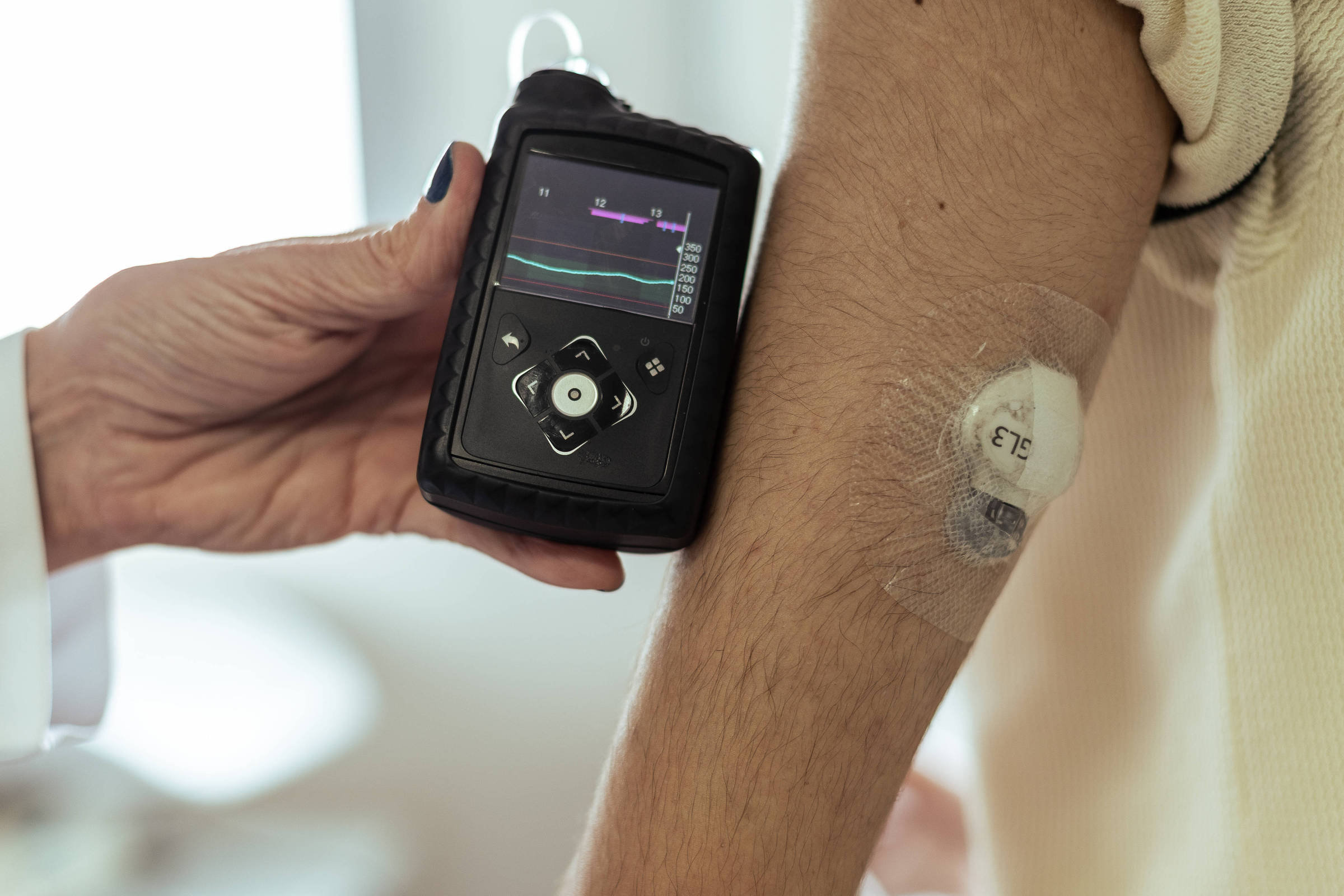
New Diabetes Device Predicts Low Blood Sugar Drops to Prevent Complications

As we navigate the evolving landscape of medical technology, few innovations hold as much promise for patient autonomy as the latest advancements in continuous glucose monitoring (CGM). For millions of people living with diabetes worldwide, the constant vigilance required to manage blood glucose levels is a significant burden. Recent developments in predictive algorithms are now … Read more

How Tropical Cyclones Trigger Hantavirus Outbreaks and Increase Type 2 Diabetes Risk in Youth

As we navigate an era of increasingly volatile climate patterns, the intersection of meteorology and public health has become a critical focal point for medical professionals worldwide. Recent discussions regarding the impact of extreme weather events—specifically tropical cyclones—have highlighted a dual concern: the potential for zoonotic disease transmission and the long-term management of non-communicable diseases … Read more

Medications for Diabetes and Weight Loss May Increase Risk of Cognitive Impairment, New Study Warns

Glucagon-like peptide-1 (GLP-1) receptor agonists have transformed the treatment landscape for type 2 diabetes and obesity, offering significant benefits in blood sugar control and weight reduction. However, as their use expands globally, questions are emerging about potential long-term effects on brain health. Recent research suggests a complex relationship between these medications and cognitive function, warranting … Read more

Avondeten op de bank? Waarom avondsnacken je afvallen tegenwerkt – en hoe je er drie kilo per maand mee kwijt raakt (zonder medicatie)

Many people locate themselves reaching for snacks while relaxing on the couch in the evening, whether it’s chips, chocolate, or something sweet after dinner. This common habit might seem harmless, but emerging research suggests it could significantly impact weight management and overall health. Understanding why evening snacking poses particular challenges requires looking at how our … Read more

Double Transplant Cures Liesanne’s Diabetes: ‘Life is So Much Easier’

For many living with Type 1 diabetes, the condition is not merely a medical diagnosis but a relentless, full-time occupation. For Liesanne Ploeg, a 38-year-old professional living in Amsterdam, this reality began at the age of eight. For decades, her life was defined by the rigid discipline of insulin injections and the constant anxiety of … Read more