
Targeted physical exercise can significantly reduce the risk of developing type 2 diabetes by improving metabolic health, according to clinical research on managing metabolic syndrome. For individuals struggling with prediabetes, consistent lifestyle interventions—rather than reliance on pharmacological treatments like metformin—remain the primary recommendation for preventing long-term complications and multimorbidity, as reported by recent medical data in the Deutsches Ärzteblatt.
Metabolic syndrome is defined by a cluster of conditions that occur together, increasing the risk of heart disease, stroke, and type 2 diabetes. These conditions include increased blood pressure, high blood sugar, excess body fat around the waist, and abnormal cholesterol or triglyceride levels. Managing these factors simultaneously is essential for stabilizing long-term health outcomes.
The Role of Lifestyle Intervention in Prediabetes
Clinical evidence suggests that lifestyle modifications are more effective than pharmaceutical interventions in preventing the progression from prediabetes to chronic illness. A report published by the Deutsches Ärzteblatt highlights that while medications like metformin are often prescribed, structured lifestyle changes—specifically those targeting diet and physical activity—demonstrate superior efficacy in protecting older adults against the development of multimorbidity. The focus remains on sustainable habits that lower systemic inflammation and improve insulin sensitivity.
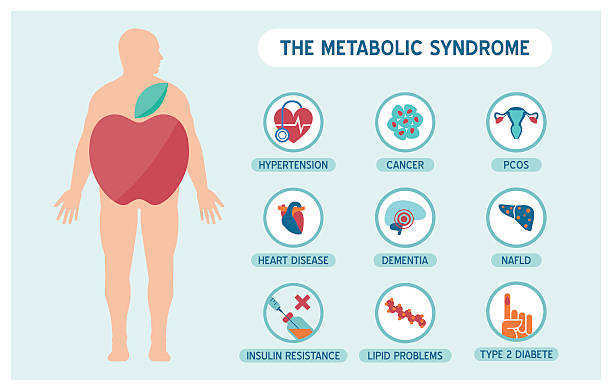
Physical activity acts as a physiological regulator for blood glucose. When muscles contract during exercise, they increase their uptake of glucose from the bloodstream, independent of insulin. This mechanism is particularly critical for patients diagnosed with metabolic syndrome, as it directly counters the insulin resistance that characterizes the condition. Experts emphasize that consistency is more important than intensity, with moderate aerobic activity and resistance training providing the most significant benefits for metabolic stabilization.
Habits That Impact Blood Sugar Stability
Maintaining stable blood glucose levels requires a multi-faceted approach to daily routines. Medical professionals often point to five common lifestyle errors that can accelerate the onset of metabolic dysfunction:

- Inconsistent meal timing, which can lead to glucose spikes and crashes.
- Sedentary behavior, which reduces the body’s ability to process glucose efficiently.
- High intake of ultra-processed foods that lack the fiber necessary to slow sugar absorption.
- Chronic sleep deprivation, which is linked to increased cortisol levels and insulin resistance.
- Inadequate hydration, which can influence blood concentration and kidney function.
Addressing these factors requires a proactive approach to healthcare. Engaging with professional health coaching or clinical nutritionists can help tailor these general guidelines to an individual’s specific health profile.
Understanding the Impact of Structured Training
Recent data indicates that targeted exercise programs can reduce the risk of developing type 2 diabetes in high-risk populations by as much as 42%. This statistic underscores the potency of exercise as a form of “metabolic medicine.” By increasing muscle mass, patients improve their basal metabolic rate, which helps the body manage energy more effectively even while at rest.
It is important to note that “targeted training” does not necessarily mean high-intensity interval training for every patient. For many, a combination of brisk walking, swimming, or light weight-bearing exercises is sufficient to meet the thresholds established by major health organizations. The key is the integration of these activities into a permanent lifestyle rather than viewing them as a temporary fix.
What Happens Next
Patients concerned about their metabolic health should consult with their primary care physician to establish a baseline through an A1C test, which measures average blood sugar levels over the past two to three months. Regular monitoring allows for the early detection of prediabetes, providing a critical window for intervention before the condition progresses to type 2 diabetes.

As medical research continues to evolve, the consensus remains that the most effective treatment for metabolic syndrome is patient-led lifestyle modification. Future clinical updates will likely continue to focus on the long-term benefits of exercise and diet over pharmacological interventions for those in the pre-diabetic stage. Readers are encouraged to monitor updates from local health authorities and to discuss personalized exercise plans with their healthcare providers during their next scheduled check-up.
This article is for informational purposes and does not constitute medical advice. Always seek the guidance of a qualified healthcare professional regarding any medical condition. Please share this information with those who may benefit from understanding the importance of early metabolic intervention.