10 Years of Impulse Bangkok: LGBTQ+ Urban Health Hub Trends, HIV Testing, and the Rise of Syphilis

Over the past decade, the Bangkok-based health initiative Impulse Bangkok has successfully facilitated free HIV testing for approximately 1,500 individuals, establishing a vital community-led model for urban public health. Operating through an urban health hub framework designed specifically for the capital’s gay, bisexual, and other men who have sex with men, as well as the … Read more

Optimizing Your Healthspan: The Role of Diet, Exercise, and Lifestyle in Preventing Heart Disease and Dementia

Maintaining health-span—the portion of life spent in good health rather than merely remaining alive—requires a proactive approach to lifestyle choices after age 50. According to the World Health Organization (WHO), healthy aging is the process of developing and maintaining the functional ability that enables well-being in older age, rather than simply the absence of disease. … Read more

81-Year-Old Surgeon Reveals Secret to Longevity Without Medication or Exercise

At 81 years old, a surgeon has garnered attention for his continued professional activity and self-reported health status. While maintaining a career that involves surgical procedures, he attributes his longevity and stamina to a routine that notably excludes regular physical exercise and the use of daily medications, according to reports detailing his lifestyle practices. As … Read more

Can Eating Cheese Give You Nightmares? The Science Explained

Eating cheese before bed does not directly cause nightmares, though certain components of dairy and the timing of digestion can disrupt sleep quality and influence dream vividness. According to sleep researchers and nutritional guidelines, the “cheese and nightmares” link is largely a cultural myth, although high-fat foods consumed late at night can trigger indigestion and … Read more

How Often Can You Donate Blood? Guidelines for Men and Women

Official guidelines from the American Red Cross confirm that men can donate blood every three months while women are advised to wait four months between donations, a practice deemed safe for most individuals, according to medical professionals. The recommendation aligns with standard blood donation protocols designed to maintain donor health while ensuring sufficient blood supply … Read more

How End-of-Life Doulas Support Patients Through the Dying Process

End-of-life doulas, also known as death doulas or transition guides, are non-medical professionals who provide emotional, spiritual, and logistical support to individuals during their final stages of life and to their families during the bereavement process. Unlike hospice staff, who focus primarily on clinical symptom management and pain relief, doulas prioritize the personal, social, and … Read more

Vitamin D Deficiency in Germany: 30% of the Population Affected – Risks and Early Diagnosis

More than 30% of Germans have insufficient vitamin D levels, with nearly 10% classified as severely deficient, according to recent data from the Robert Koch Institute (RKI). The deficiency—linked to weakened immunity, bone disorders, and increased infection risks—is particularly prevalent among older adults, people with dark skin, and those with limited sun exposure. Experts warn … Read more

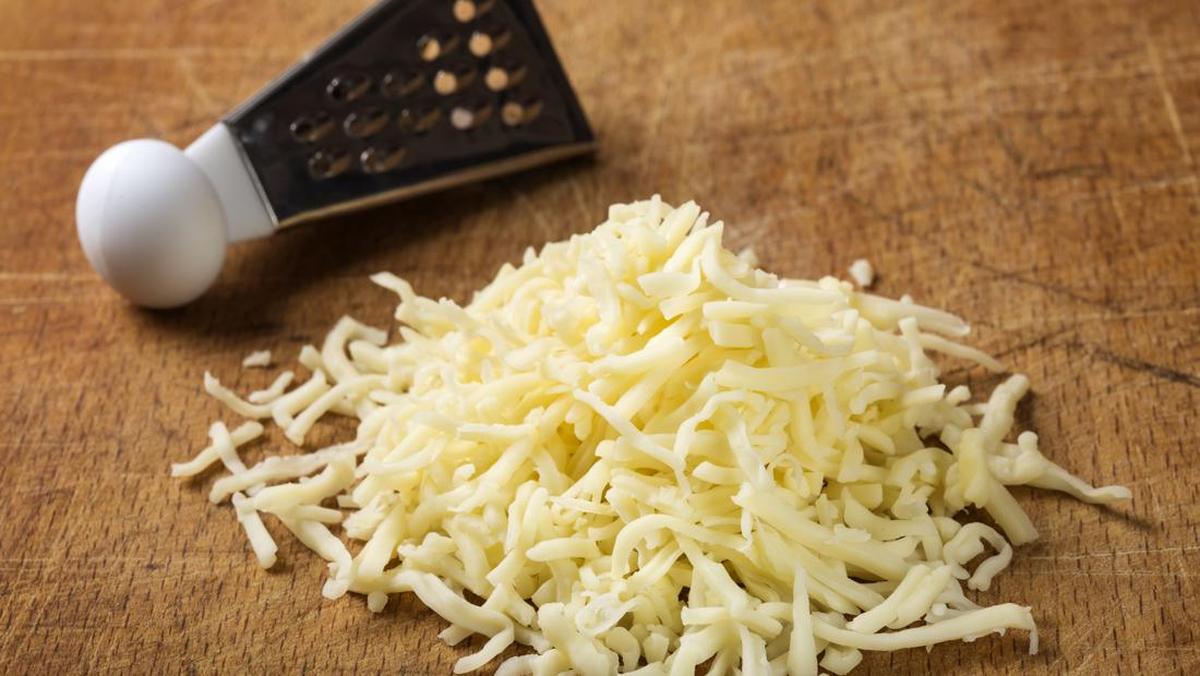
Does Eating Cheese Raise Cholesterol? Here Is the Truth

Current nutritional science indicates that cheese consumption does not necessarily lead to an increase in harmful low-density lipoprotein (LDL) cholesterol levels, challenging long-standing dietary assumptions. While cheese is high in saturated fat, recent clinical research suggests that the “food matrix”—the complex physical and chemical structure of a food—may mitigate its traditional cardiovascular risks compared to … Read more

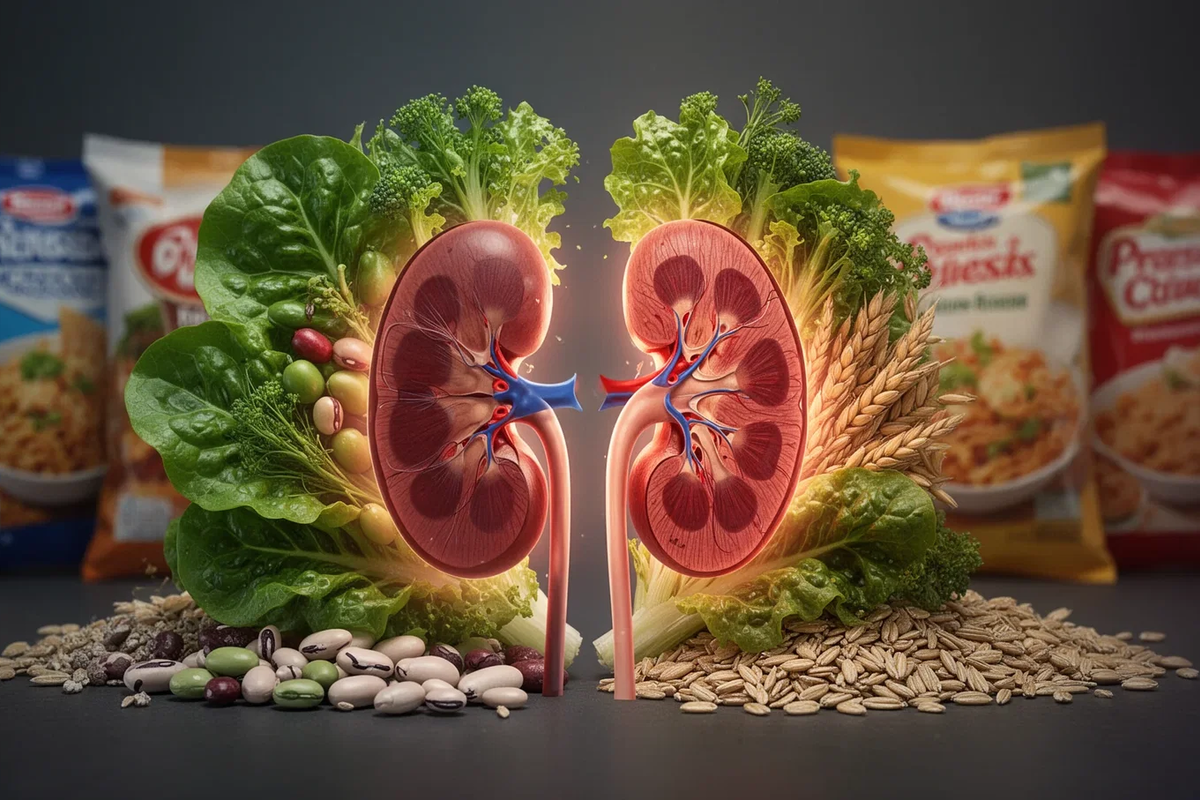
Planetary Health Diet Reduces Mortality by 17%: New Study and Finerenon Insights

Adopting a plant-focused nutritional strategy, often referred to as the Planetary Health Diet, is associated with a significant reduction in overall mortality, according to recent clinical findings. This dietary approach, designed to balance human health requirements with environmental sustainability, has been linked to a 17 percent decrease in all-cause mortality in large-scale observational studies. As … Read more