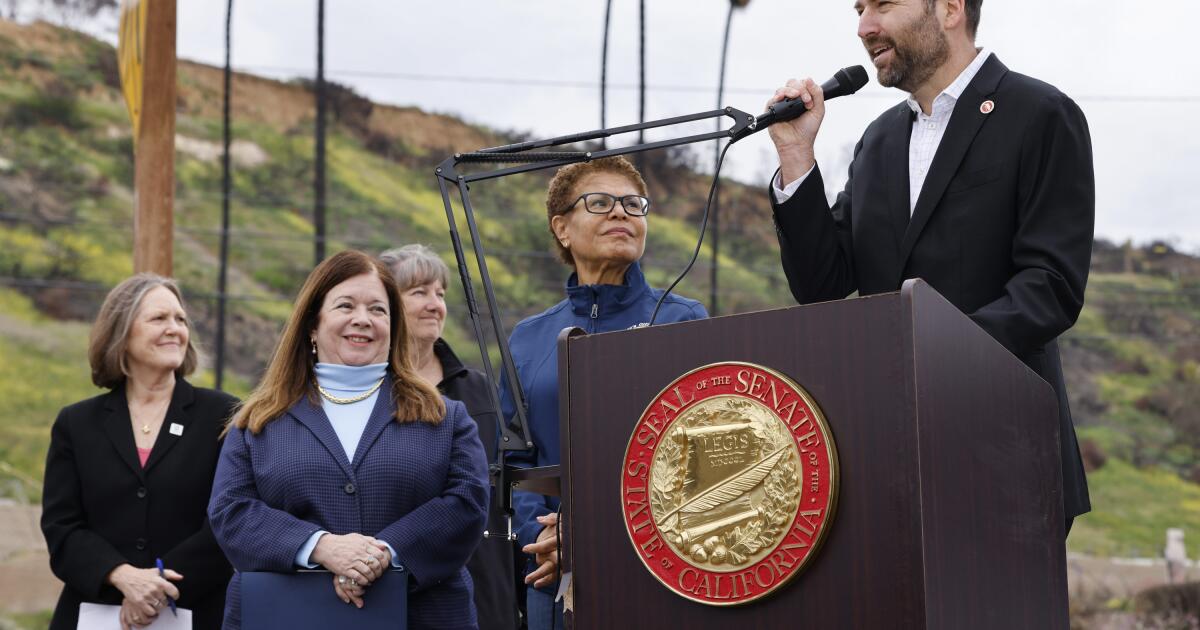
California lawmakers are signaling a significant shift in wildfire prevention strategies, moving away from a historical focus on backcountry fuel management towards prioritizing the protection of homes and communities directly threatened by increasingly frequent and intense wildfires. This change, lauded by experts as a long-overdue embrace of contemporary wildfire science, comes as the state continues to grapple with the devastating consequences of recent fire seasons and faces a future where climate change is expected to exacerbate the risk.
The impetus for this shift stems from a growing recognition that the most destructive element of wildfires isn’t necessarily the vast acreage burned in remote areas, but rather the wind-driven embers that ignite structures at the wildland-urban interface – the zone where houses and vegetation meet. For years, substantial resources have been allocated to projects aimed at reducing fuel loads in forests, often with limited demonstrable impact on preventing the most catastrophic losses. This new legislative package, currently awaiting Governor Gavin Newsom’s signature as of March 8, 2026, aims to redirect those resources towards more effective measures, focusing on hardening homes against fire and bolstering community resilience.
A New Approach to Wildfire Prevention
The legislative package, as highlighted in a recent report by the Los Angeles Times, centers on evidence-based strategies designed to protect lives and property. “Legislators eye new prevention efforts in fire-scarred California: ‘A tipping point,’” published March 4, 2026, details the key components of the proposed legislation. A central tenet of the new approach is increased investment in homeowner retrofits. This includes measures such as installing fire-resistant roofing materials, replacing flammable siding and clearing vegetation around homes – creating what are known as defensible spaces. The legislation also proposes funding for community-level resilience projects, such as creating evacuation routes and establishing community shelters.
This shift in focus isn’t simply about changing tactics; it’s about acknowledging the evolving nature of the wildfire threat. As Jennifer Normoyle of Hillsborough, California, noted in a letter to the editor, the real danger increasingly lies at the urban edge. The anniversary of devastating wind-driven fires in Los Angeles serves as a stark reminder of this reality. These fires demonstrated that even extensive backcountry fuel reduction efforts are often insufficient to prevent widespread destruction when embers are carried by strong winds into populated areas.
The Limitations of Traditional Fuel Management
For decades, California’s wildfire management strategy heavily emphasized fuel reduction projects in forests and wildlands. While these projects – including prescribed burns and mechanical thinning – are not without merit, their effectiveness in preventing catastrophic wildfires has been increasingly questioned. Critics argue that these efforts are often costly, time-consuming, and fail to address the primary driver of destruction: embers igniting structures. The scale of the problem – millions of acres of flammable vegetation – makes it virtually impossible to eliminate the wildfire risk entirely through fuel reduction alone.
The focus on backcountry fuel projects has also been criticized for diverting resources away from more effective prevention measures, such as home hardening and community preparedness. A 2023 report by the California Legislative Analyst’s Office found that a disproportionate amount of wildfire funding was allocated to fuel reduction, while relatively little was spent on protecting homes and communities. This imbalance, the report argued, contributed to the state’s vulnerability to catastrophic wildfires.
The Role of Indigenous Practices
While the new legislation represents a significant step forward, some experts argue that California can learn even more from traditional ecological knowledge, particularly from Indigenous communities. For centuries, Indigenous peoples have used controlled burns and other land management practices to reduce wildfire risk and promote forest health. These practices, often rooted in a deep understanding of local ecosystems, are increasingly being recognized as valuable tools for wildfire prevention. The Washington Post recently highlighted how Indigenous practices can assist protect forests, emphasizing the importance of incorporating this knowledge into modern wildfire management strategies.
These traditional methods often focus on maintaining a mosaic of different vegetation types, creating natural firebreaks and reducing the buildup of flammable fuels. They also emphasize the importance of regular, low-intensity burns, which can help to clear underbrush and promote the growth of fire-resistant species. Integrating Indigenous knowledge into wildfire management requires collaboration and respect for the cultural practices of Indigenous communities.
Challenges and Future Considerations
Despite the promise of this new approach, significant challenges remain. One major hurdle is the cost of retrofitting homes to develop them more fire-resistant. Many homeowners, particularly those with limited financial resources, may struggle to afford these upgrades. The legislation aims to address this issue by providing financial assistance and incentives, but the availability of funding may be limited.
Another challenge is ensuring that communities are adequately prepared for evacuation. Effective evacuation planning requires clear communication, well-maintained evacuation routes, and designated shelters. It also requires educating residents about the importance of having a wildfire action plan and being prepared to leave at a moment’s notice. The ongoing impacts of climate change, including more frequent and intense heat waves and droughts, are expected to continue to increase the risk of wildfires in California and other parts of the western United States.
The state is also facing ongoing challenges related to insurance availability in fire-prone areas. Recent reports indicate that lawmakers are proposing new regulations as insurance battles linger after wildfires, further complicating the landscape for homeowners.
Key Takeaways
- California is shifting its wildfire prevention strategy towards protecting homes and communities.
- The new approach prioritizes homeowner retrofits and community resilience projects.
- Traditional ecological knowledge, particularly from Indigenous communities, offers valuable insights for wildfire management.
- Significant challenges remain, including the cost of retrofits and the need for improved evacuation planning.
- Climate change is expected to continue to increase the risk of wildfires in California.
As Governor Newsom considers this landmark legislation, the focus will be on ensuring its effective implementation and addressing the remaining challenges. The future of wildfire prevention in California hinges on a continued commitment to evidence-based strategies, collaboration with Indigenous communities, and a proactive approach to mitigating the risks posed by a changing climate. The next step will be to monitor the implementation of these new policies and assess their impact on reducing wildfire losses in the coming years. Readers are encouraged to share their thoughts and experiences in the comments section below.
- Hungarian president Tamás Sulyok signs constitutional amendment ending his own mandate
- Protests Erupt in Kyiv Over Fedorov’s Dismissal: Tensions Escalate Between Military Leadership and Government
- Cyclosporiasis Outbreak: Symptoms, Prevention, and What to Do (archyde.com)
- Trump says US being ‘invaded by filthy air’ as he threatens Canada with tariffs over wildfires (archyworldys.com)