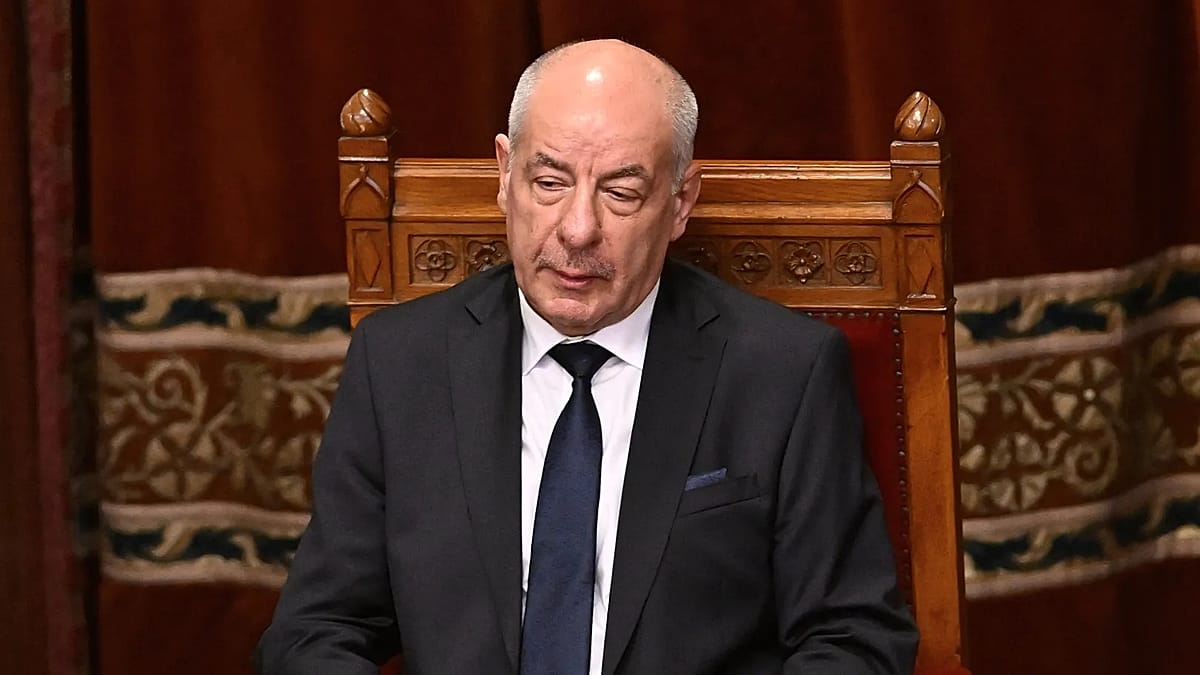
Hungarian President Tamás Sulyok has signed the seventeenth amendment to the country’s Fundamental Law, a legislative change that will result in the early conclusion of his current presidential mandate. According to the official announcement published on the president’s social media channels, the term of the sitting head of state is set to expire the day after the amendment officially takes effect.
The constitutional amendment, which was passed by the Hungarian National Assembly, introduces specific adjustments to the legal framework governing the presidential office. As reported by the Hungarian government’s official information portal, the Fundamental Law serves as the primary governing document of the state, and any alterations to its text require a two-thirds supermajority in parliament. The signing of this amendment marks a significant procedural shift in the administration of the presidency, though the government has characterized the move as a technical adjustment to synchronize state functions.
Legislative Context of the Seventeenth Amendment
The office of the President of Hungary is largely a ceremonial role, though it carries the power to sign laws, represent the state, and serve as the commander-in-chief of the armed forces. Under the existing Fundamental Law of Hungary, presidential terms are strictly defined by both duration and the conditions of succession. The seventeenth amendment specifically addresses the transition of power and the operational calendar of the office.
Legal analysts note that constitutional amendments in Hungary are frequently used to refine the powers of state institutions. By signing the amendment, President Sulyok has effectively triggered the legal mechanism that shortens his tenure. The specific timing of the mandate’s end—the day following the legislation’s entry into force—is a departure from standard rotational cycles, underscoring the influence of the legislative branch over the executive head of state.
Operational Changes and Political Implications
The decision to shorten the presidential term has prompted questions regarding the future of the office and the upcoming selection process for a successor. According to the National Assembly of Hungary, the parliament is responsible for electing the president via a secret ballot. The transition period following the seventeenth amendment will necessitate a swift administrative adjustment to ensure the continued functioning of the presidency without a prolonged vacancy.
While the amendment focuses on the mandate of the current president, its broader implications concern the stability of the constitutional order. Observers are monitoring whether this legislative change will lead to further adjustments in how the head of state is vetted or appointed in the future. The government maintains that the legislative process remains transparent and adheres to the established parliamentary procedures for constitutional reform.
Next Steps in the Transition
The next confirmed checkpoint for this development is the official publication of the seventeenth amendment in the Hungarian Official Gazette (Magyar Közlöny), which serves as the legal prerequisite for the law to enter into force. Once published, the clock will begin for the conclusion of President Sulyok’s mandate. The National Assembly is expected to follow its standard protocols for the election of a new president in the subsequent parliamentary session.
Citizens and international observers can track the official progress of these legislative changes through the Hungarian parliamentary database, which provides real-time updates on the status of bills and enacted laws. Further details regarding the official departure date and the transition plan will be issued by the Sándor Palace, the official residence of the President of Hungary.
We invite readers to share their perspectives on this constitutional update or to follow our ongoing coverage as the situation develops. Please check back for updates on parliamentary schedules and official announcements regarding the transition.
Related reading