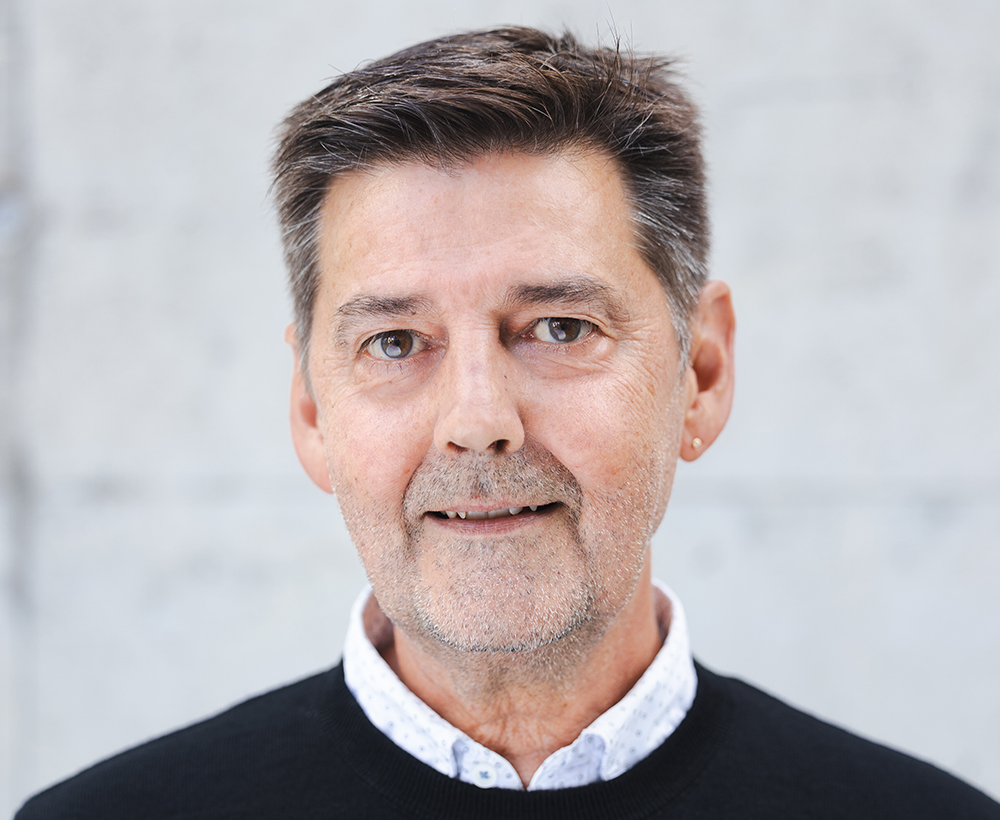
The literary world is marking the career of Andreas Neeser, a Swiss author and former director of the Aargauer Literaturhaus, whose work is now reaching a wider audience with the recent translation of his novel Zwischen zwei Wassern (Between Two Waters) into French. Neeser’s multifaceted career, spanning writing, teaching, and cultural leadership, reflects a deep engagement with the literary landscape of Switzerland and beyond. This translation marks a significant moment, as his previous works have not been available to French-speaking readers.
Born in 1964 in Schlossrued, in the canton of Aargau, Neeser’s path to becoming a celebrated author was paved with a strong academic foundation. He studied German, English, and literary criticism at the University of Zurich, a background that clearly informs the depth and nuance of his writing. For many years, he balanced his creative pursuits with a career as a part-time German teacher at a gymnasium, a common path for writers in Switzerland seeking financial stability. His commitment to his craft was also demonstrated through extended periods of travel and residence in cities like London, Paris, Berlin, Plogoff, and Lisbon, experiences that undoubtedly broadened his perspectives and enriched his storytelling.
A Decade Leading the Aargauer Literaturhaus
From 2003 to 2011, Andreas Neeser played a pivotal role in establishing and leading the Aargauer Literaturhaus in Lenzburg. According to reports from the Aargauer Zeitung, his tenure saw the institution flourish as a vital hub for literature in the region. He stepped down from the position at the end of 2011 to dedicate himself more fully to his writing, even as continuing to teach German part-time. The Aargauer Literaturhaus, now celebrating its 20th anniversary, continues to be a significant cultural institution, a testament to the foundations laid during Neeser’s leadership.
Neeser’s literary output is remarkably diverse, encompassing novels, short stories, poems, libretti, children’s books, and works written in Swiss German dialects. This breadth of work has been recognized through numerous awards and institutional grants, including contributions from the Aargauer Kuratorium, and stipends from the Landis & Gyr Foundation and the Kulturministerium Rheinland-Pfalz. He received the Lyrikpreis Meran in 2006, and the Feldkircher Lyrikpreis in 2008, demonstrating his prowess in poetry. His work has also been acknowledged by the Deutsche Akademie für Sprache und Dichtung, which gave his collection “Wie halten Fische die Luft an” (How Do Fish Hold Their Breath) a Lyrikempfehlung (poetry recommendation) in 2016.
Zwischen zwei Wassern: Exploring Grief and Survival
Zwischen zwei Wassern, Neeser’s third novel, delves into the complex emotional landscape of life after loss, exploring the burden of being a survivor. The novel’s themes resonate deeply, offering a poignant reflection on grief, memory, and the search for meaning in the wake of tragedy. The recent translation into French, undertaken by Orléane Chioccola, a graduate of the University of Lausanne with a specialization in literary translation, opens up Neeser’s work to a new readership. Chioccola, born in 2000 in Valais, highlights the visual and evocative nature of Neeser’s prose in her translator’s note, published on Le Courrier.
Chioccola’s work is particularly noteworthy, as she completed a master’s degree in letters at the University of Lausanne, focusing on German and Spanish, and specializing in literary translation through the Centre de traduction littéraire (CTL). Her dedication to capturing the nuances of Neeser’s writing is evident in the careful attention she gives to the prose’s visual qualities. The translation process itself is a testament to the growing interest in Swiss literature internationally.
A Continued Presence in the Literary Community
Beyond his writing and teaching, Andreas Neeser remains actively involved in the literary community. He is a member of the Association of Swiss Authors (Verband Autorinnen und Autoren der Schweiz) and the Swiss PEN Centre (Deutschschweizer P.E.N.). He also serves as a jury member for the Franz Tumler Literature Prize in Laas, South Tyrol, demonstrating his commitment to supporting and recognizing emerging literary talent. His continued engagement with these organizations underscores his dedication to fostering a vibrant literary culture.
Neeser currently resides in Suhr, near Aarau, and continues to teach German at the Alte Kantonsschule Aarau. This combination of teaching and writing allows him to maintain a connection to both the academic and creative worlds, enriching his work and inspiring future generations of writers. His career trajectory, from leading a prominent literary institution to focusing on his own writing and mentoring others, exemplifies a lifelong dedication to the power of literature.
The recognition Neeser has received throughout his career, including numerous work contributions from the Aargauer Kuratorium (1991, 1992, 1998, 2005, 2006, 2007, 2012, 2018, 2021), an invitation to the International Poetry Festival in Medellín in 2012, and stipends from Pro Helvetia and the UBS Cultural Foundation, highlights his significant contribution to Swiss literature. His work continues to resonate with readers and critics alike, and the translation of Zwischen zwei Wassern promises to introduce his unique voice to an even broader audience.
As Neeser’s work gains international recognition, it invites readers to explore the complexities of the human experience through a uniquely Swiss lens. The ongoing appreciation for his contributions, coupled with the accessibility of his writing through translation, ensures that his literary legacy will continue to grow and inspire for years to come. The next step in this journey will be observing the reception of the French translation of Zwischen zwei Wassern and the potential for further translations of his extensive body of work.
What are your thoughts on the importance of literary translation in fostering cross-cultural understanding? Share your comments below, and don’t forget to share this article with your network.
Keep reading