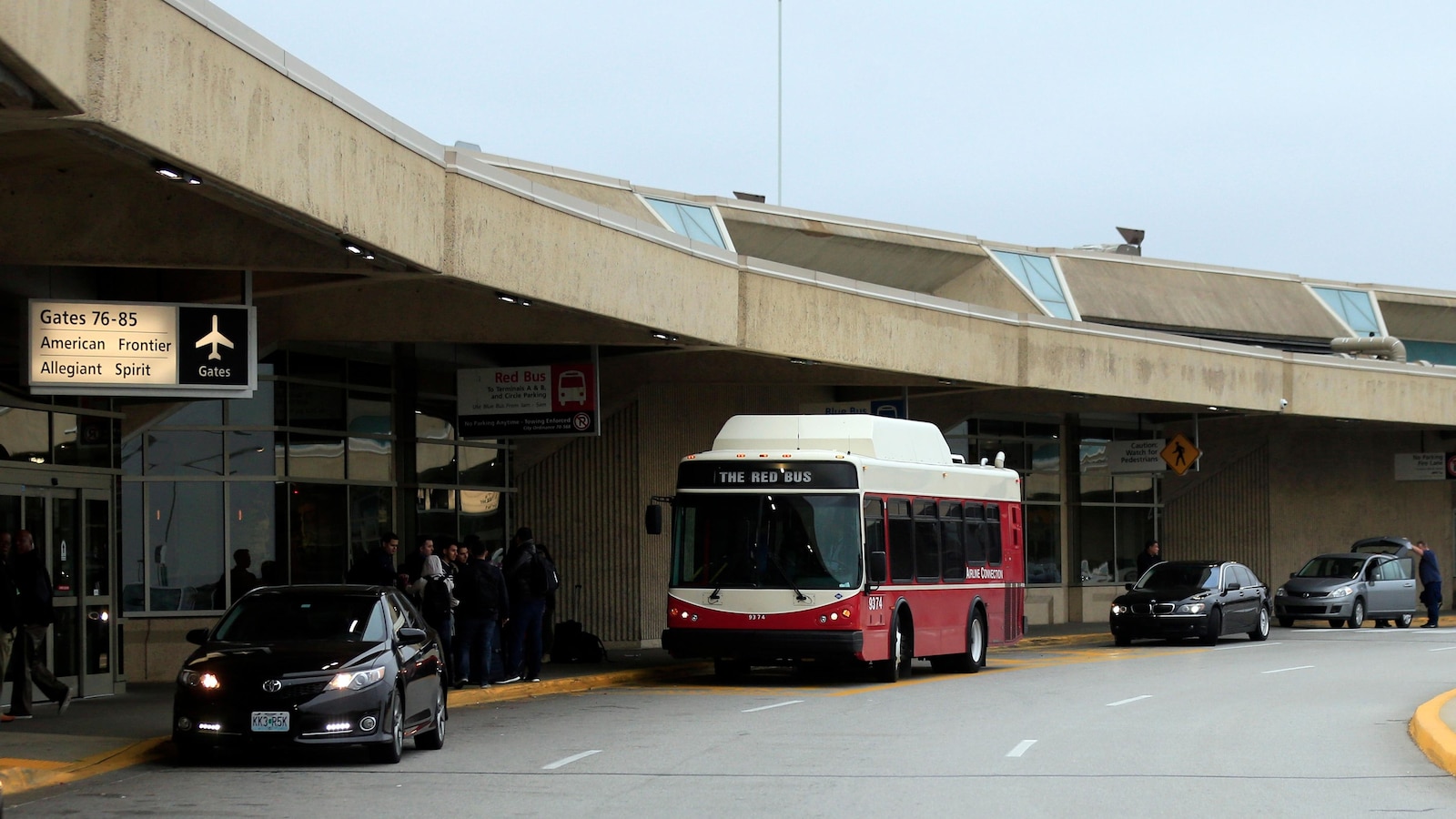
Kansas City Airport Resumes Operations After Hours-Long Evacuation Triggered by Bomb Threat
Kansas City International Airport (MCI) fully reopened on Sunday afternoon after a tense hours-long evacuation prompted by a reported bomb threat. The incident, which began around 11:15 a.m. Local time, led to the temporary grounding of flights and the movement of thousands of passengers onto the tarmac as law enforcement and federal agents investigated. The disruption underscored the ongoing security challenges facing air travel infrastructure, even as the industry continues to rebound from pandemic-related disruptions.
The Kansas City Aviation Department confirmed the terminal’s reopening shortly after 2:00 p.m. Central Time, stating that normal operations were resuming. The initial threat prompted a swift and comprehensive response, involving the FBI, local police departments, and airport security personnel. Flights that had already landed were held on taxiways as a precautionary measure during the shutdown, which lasted approximately two hours. The incident caused significant travel delays for passengers, particularly during a busy weekend travel period.
FBI Investigation Deemed Threat “Not Credible”
The FBI took the lead in investigating the source and credibility of the bomb threat. FBI Director Kash Patel announced via social media that the bureau had reviewed the threat and determined it to be “not credible.” AOL News reported that the FBI’s assessment came after a thorough investigation involving K-9 units and a comprehensive search of the terminal. While the FBI has not released details about the nature of the threat, the swift determination of its lack of credibility allowed for the expedited reopening of the airport.
U.S. Transportation Secretary Sean Duffy also addressed the situation on social media, stating that the incident was “clear” and that “normal operations are resuming.” This statement provided reassurance to travelers and stakeholders concerned about the potential for ongoing disruptions. The coordinated response from federal and local authorities was crucial in minimizing the impact of the threat and restoring confidence in airport security protocols.
Passenger Accounts Detail Chaotic Evacuation
Passengers described a scene of controlled chaos as airport personnel directed them to evacuate the terminal. Logan Hawley, 29, who was preparing to board a flight to Texas, recounted the sudden evacuation to the Associated Press. “Suddenly there was an airport worker saying, ‘Immediately evacuate.’ People got up fast and rushed out of there,” Hawley said. He estimated that around 2,000 people were moved onto the tarmac, a common procedure during airport evacuations to ensure passenger safety and allow for thorough security sweeps.
The evacuation process, while disruptive, appeared to be well-managed by airport staff and law enforcement. Passengers were directed to gather between Terminal A and Terminal B while authorities conducted their investigation. The Kansas City Aviation Department coordinated with airlines to minimize disruptions and provide updates to passengers regarding flight schedules. The incident highlighted the importance of clear communication and effective emergency response plans in maintaining airport safety.
Kansas City Airport: A Hub for Regional Travel
Kansas City International Airport (MCI) serves as a vital transportation hub for the Midwestern United States. According to the Kansas City Aviation Department, MCI and Kansas City Downtown Airport – Wheeler Field (MKC) are owned and operated by the department, with a mission to provide outstanding airport services. MCI offers nonstop routes to over 50 destinations, including ten in Florida – Destin, Fort Lauderdale, Fort Myers, Miami, Orlando, Panama City, Punta Gorda, Sarasota, St. Pete Clearwater, and Tampa – as highlighted on FlyKC.com. The airport plays a crucial role in connecting the region to national and international destinations, supporting both business and leisure travel.
Recent investments in MCI, including a new terminal project, have been recognized with numerous awards, demonstrating the city’s commitment to modernizing its aviation infrastructure. The new terminal, a significant undertaking involving thousands of workers and support from various stakeholders, aims to enhance the passenger experience and improve operational efficiency. The awards received underscore the success of the project and its positive impact on the Kansas City region.
Ongoing Security Measures and Future Preparedness
While the bomb threat at Kansas City International Airport was ultimately deemed not credible, the incident serves as a reminder of the constant need for vigilance and robust security measures at airports nationwide. The Transportation Security Administration (TSA) and airport security personnel continuously work to enhance screening procedures, deploy advanced technologies, and train staff to identify and respond to potential threats.
The incident also highlights the importance of collaboration between federal, state, and local law enforcement agencies in responding to security incidents. The swift and coordinated response in Kansas City demonstrated the effectiveness of these partnerships in mitigating risks and ensuring passenger safety. Airports are increasingly investing in comprehensive security plans that address a wide range of potential threats, including bomb threats, active shooter situations, and cyberattacks.
Looking ahead, the Kansas City Aviation Department will likely review its emergency response procedures in light of the recent incident to identify areas for improvement. This may include enhancing communication protocols, refining evacuation procedures, and increasing security personnel training. The goal is to ensure that the airport is well-prepared to respond effectively to any future security challenges and maintain the safety and security of passengers and staff.
The FBI continues to investigate the origin of the threat, though authorities have indicated they do not believe it was part of a larger coordinated attack. The focus remains on identifying the individual or individuals responsible for making the false alarm and holding them accountable for the disruption caused.
Key Takeaways:
- Kansas City International Airport (MCI) fully reopened after a bomb threat prompted a multi-hour evacuation.
- The FBI determined the threat was “not credible” following a thorough investigation.
- Thousands of passengers were safely evacuated to the tarmac during the incident.
- The incident underscores the importance of robust airport security measures and coordinated emergency response plans.
As investigations continue, the Kansas City Aviation Department is expected to provide further updates on security enhancements. We encourage readers to share their experiences and perspectives on airport security in the comments below. Please also share this article with your network to raise awareness about the importance of airport safety and preparedness.