Chile’s 2026 Vehicle Circulation Tax: What Drivers Necessitate to Recognize
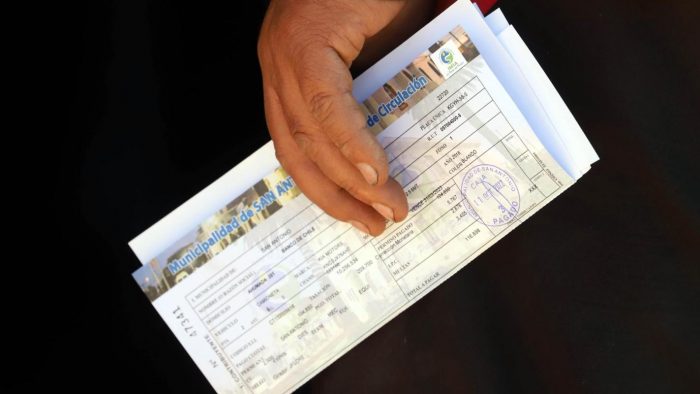
The annual vehicle circulation tax, or Permiso de Circulación, is now in effect across Chile, with payments beginning February 1st, 2026. This mandatory fee is crucial for funding municipal services, channeling resources into local amenities such as green spaces, public lighting, and social programs, according to the Chilean Internal Revenue Service (SII). The SII published the official vehicle tax assessments for 2026 on January 22nd, detailing the rates for over 81,000 light vehicles.
For many drivers, understanding the process of paying this tax can be straightforward, but it’s essential to be aware of deadlines, required documentation, and payment methods. This year, the minimum circulation permit cost is CLP $34,876 (approximately $38 USD as of March 9, 2026), applicable to older vehicles with a fiscal assessment below CLP $3,487,600 (approximately $3,800 USD). The tax is calculated based on the fiscal value of the vehicle, as determined by the SII’s annual assessment. Understanding these assessments is key to a smooth and compliant payment process.
How and Where to Pay the Circulation Tax
Payments for the Permiso de Circulación are processed through the relevant municipality, either in person at transit offices or at designated points established by each commune. Drivers who have moved municipalities since the previous year must request a transfer form, complete the necessary personal and vehicle details, and make the payment simultaneously. This ensures the tax is correctly allocated to the appropriate local government.
A range of payment methods are accepted, including cash, debit cards, credit cards, and checks. The availability of specific methods may vary slightly depending on the municipality, so it’s advisable to check with your local transit office for confirmation. The process is designed to be accessible to all vehicle owners, offering multiple convenient payment options.
Payment Deadlines by Vehicle Type
The payment schedule for the 2026 Permiso de Circulación is tiered based on vehicle category. Here’s a breakdown of the key deadlines:
- Until March 31st: Private vehicles, motorcycles, vans, ambulances, carriages, luxury rental cars, tourism or special service vehicles, station wagons, trucks, and trailers up to 1,750 kilograms.
- Until May 31st: Taxis and buses.
- Until September 30th: Cargo vehicles, scooters, mopeds, tractor-trailers, agricultural or industrial tractors, and automotive machinery.
Adhering to these deadlines is crucial to avoid potential penalties or complications. Vehicle owners should consult the SII website or their local municipality to confirm the specific deadline applicable to their vehicle type.
Required Documentation for Payment
The documentation required to pay the Permiso de Circulación varies depending on whether the vehicle is already registered or is novel. For vehicles already in circulation, the following documents are typically required: the previous year’s circulation permit, a valid technical review (revisión técnica) or homologation certificate, a valid SOAP (Single Mandatory Automobile Insurance Policy), and the vehicle’s registration card or ownership document (padrón o tarjeta de dominio).
For new vehicles, the required documentation includes the purchase invoice, registration with the Civil Registry, relevant certificates, and a valid SOAP policy until March 31st of the following year. Ensuring all necessary documents are readily available will streamline the payment process and prevent delays.
Calculating Your 2026 Circulation Tax
The amount of the Permiso de Circulación is determined by the fiscal assessment of the vehicle. The official lists of assessed values for both light and heavy vehicles are available on the SII website. The SII’s “Vehicle Tax Assessment” tool allows vehicle owners to search for their vehicle’s assessment using the SII code and year of manufacture, or by entering the vehicle’s characteristics. Selecting the 2026 tax year and the appropriate vehicle category is essential for obtaining an accurate calculation.
Notably, if a vehicle model is not listed in the assessment register, the Director of Transit of the respective municipality will assign it a value comparable to a registered vehicle with similar origin, type, age, and technical specifications. This ensures all vehicles are appropriately assessed for tax purposes.
Incentives for Electric and Hybrid Vehicles
Chile continues to incentivize the adoption of environmentally friendly vehicles. Electric and hybrid vehicles with external recharging capabilities manufactured in 2021 or later are eligible for a 25% reduction in the annual circulation tax. This benefit applies to 661 vehicles across 63 brands and 181 models, demonstrating the growing popularity of these vehicles in Chile. This initiative aligns with the country’s broader efforts to promote sustainable transportation and reduce carbon emissions.
The Permiso de Circulación is more than just a tax; it’s a vital component of municipal funding, supporting essential services that benefit communities across Chile. By understanding the process and meeting the deadlines, vehicle owners can ensure they are compliant and contributing to the well-being of their local areas.
The SII will continue to provide updates and resources on its website. Vehicle owners are encouraged to check for any changes or clarifications as the payment period progresses. The next key date to watch is May 31st, the deadline for taxis and buses to pay their circulation tax.
Have you already paid your Permiso de Circulación for 2026? Share your experience in the comments below, and feel free to share this article with fellow drivers to help them stay informed.