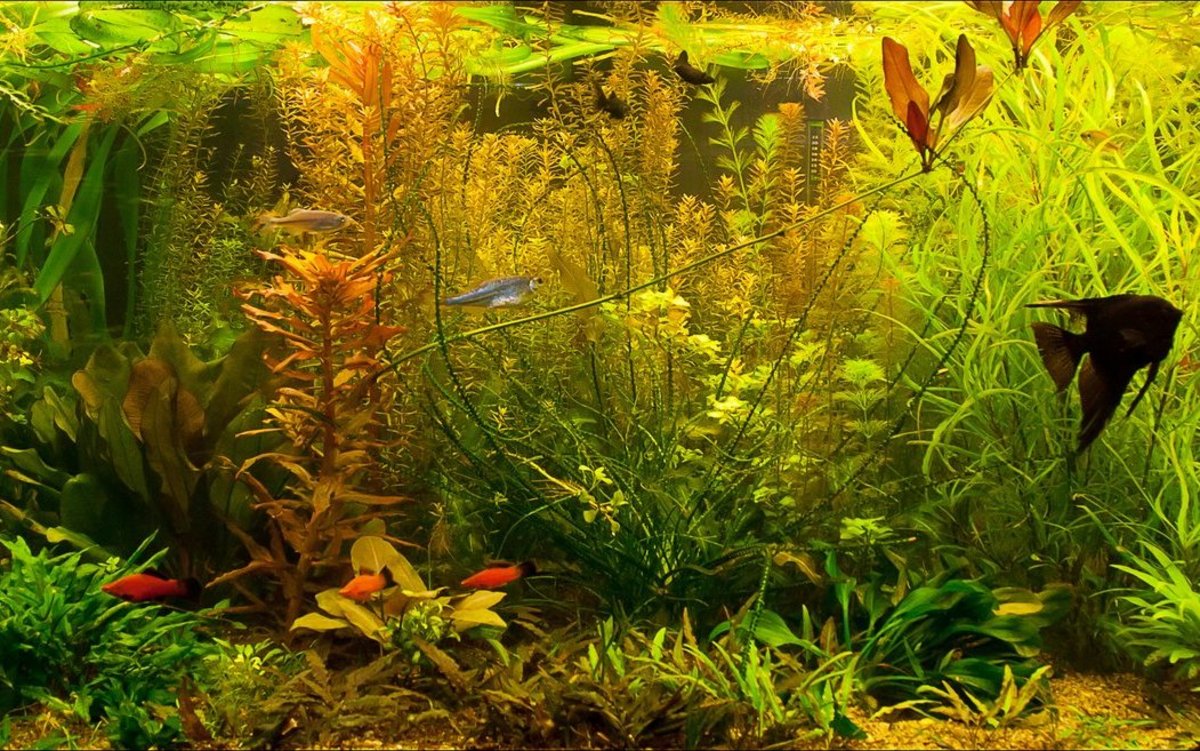
The tranquil world of aquascaping, the art of arranging aquatic plants within an aquarium, has captivated hobbyists for decades. While often perceived as a visually driven pursuit, successful planted aquariums rely on a delicate balance of biological and chemical factors. Maike Wilstermann-Hildebrand, a German horticulturalist and dedicated aquarist, offers a refreshing perspective on achieving this balance, advocating for a less interventionist approach focused on understanding the natural needs of aquatic plants. Her expertise, honed through years of study, practical experience, and a deep connection to the aquatic plant community, challenges some common assumptions about the necessity of high-tech equipment and intensive fertilization. This approach to aquascaping prioritizes plant health and ecosystem stability, offering a more sustainable and accessible path for both novice and experienced aquarists.
Wilstermann-Hildebrand’s passion for aquatic plants began in childhood, alongside her initial fascination with fish. This early interest blossomed during her studies in horticulture, leading her to join the Arbeitskreis Wasserpflanzen (Working Group for Aquatic Plants) in Hannover, Germany. This community proved pivotal in shaping her understanding of aquatic botany and fostering a lifelong dedication to the field. Her commitment extends beyond personal enjoyment; she served as Vice President for Communication for the Verband Deutscher Aquarien- und Terrarienvereine (VDA – Association of German Aquarium and Terrarium Societies) from 2018, advocating for greater visibility and improved communication within the aquarist community. She has also authored a book specifically dedicated to Cryptocorynen, a genus of popular and relatively undemanding aquarium plants, focusing on their cultivation, and care. This dedication to accessible knowledge underscores her belief that stunning and thriving planted aquariums are achievable for anyone willing to learn and observe.
A Living Ecosystem: Wilstermann-Hildebrand’s Approach to Planted Aquariums
Wilstermann-Hildebrand’s personal setup reflects her philosophy: a dedicated space housing between 80 and 90 larger aquariums, teeming with a diverse array of plant life. She doesn’t limit her aquariums to plants alone, maintaining a healthy fish population, including West African dwarf cichlids, barbs, and tetras. She emphasizes that a well-balanced fish population can actually *benefit* plant growth, creating a natural ecosystem where waste products provide essential nutrients. This contrasts with the often-sterile aesthetic of some high-tech aquariums, where plants are heavily reliant on artificial inputs. Her collection focuses on a variety of species, including rare Wasserkelchen (water calices), Bucephalandra, and stem plants, demonstrating a commitment to both aesthetic diversity and botanical preservation.
A central tenet of Wilstermann-Hildebrand’s approach is the selection of plant species with low demands on water quality. Her book focuses exclusively on plants that can thrive without supplemental carbon dioxide (CO2) fertilization, a common practice in many planted aquariums. While acknowledging that CO2 supplementation can accelerate growth, she argues it’s not essential for success. “If a plant wants to grow, it needs building blocks, including CO2,” she explains, “but an aquarium plant with limited CO2 doesn’t show deficiency symptoms; it simply grows slower.” This slower growth, she contends, can be advantageous, promoting stability and reducing the need for constant intervention. The key, she stresses, is understanding the fundamental needs of the chosen plants and creating an environment that supports their natural growth patterns.
The Role of CO2 and Fertilization: Finding the Right Balance
The debate surrounding CO2 supplementation is a significant one within the aquascaping community. While CO2 is undeniably crucial for plant photosynthesis, Wilstermann-Hildebrand argues that many readily available aquarium plants can flourish without it, provided other conditions are met. However, she clarifies that CO2 supplementation isn’t inherently negative; it simply increases the demand for other essential nutrients. “If you want rapid plant growth, you must introduce CO2 into the aquarium water,” she states. “This increases the need for balanced nutrients, which must then be added.” This highlights the interconnectedness of factors within an aquarium ecosystem – manipulating one element inevitably affects others. She cautions against relying solely on CO2 as a solution for struggling plants, emphasizing the importance of addressing underlying issues related to light, nutrients, and water parameters.
Similarly, Wilstermann-Hildebrand advocates for a cautious approach to fertilization. While acknowledging that certain mineral deficiencies can hinder plant growth, she warns against over-fertilization, particularly with iron. Excess iron can interfere with the uptake of other essential nutrients, creating imbalances that ultimately harm plant health. The key, she emphasizes, is to identify specific deficiencies and administer targeted fertilizers accordingly. Regular water changes also play a vital role in nutrient management, removing excess nitrates and phosphates while replenishing essential minerals. She describes water changes as a “reset button,” helping to maintain a stable and healthy environment for both plants and fish.
Maintenance and Observation: The Cornerstones of Success
Wilstermann-Hildebrand stresses the importance of regular observation as the foundation of successful aquarium keeping. She notes that the frequency of water changes depends on the specific setup, with heavily stocked tanks requiring more frequent interventions. “With fish in the aquarium, which are fed daily, water changes are unavoidable,” she explains. She points out that fish excrete approximately 70% of the nutrients they consume, which are then broken down by microorganisms, leading to the accumulation of phosphates and nitrogen compounds. For tanks without fish, water changes may be less frequent, potentially occurring only every two to three months. She believes that careful observation and adaptation are crucial for maintaining a thriving aquarium ecosystem.
She also highlights the importance of maintaining a diverse plant community. Fast-growing stem plants, such as Hygrophila species, act as nutrient sponges, absorbing excess nutrients and stabilizing the aquarium environment. These plants, she explains, create a more favorable environment for slower-growing species to thrive. Regular pruning and replanting of these fast-growing plants are essential for maintaining this balance. An aquarium, she emphasizes, is a dynamic ecosystem where every plant influences the overall conditions. Removing or adding plants inevitably alters the delicate equilibrium, requiring ongoing monitoring and adjustments.
Substrate and Water Flow Considerations
Regarding substrate maintenance, Wilstermann-Hildebrand suggests that a well-rooted substrate largely cleanses itself. She notes that tropical plants benefit from a substrate temperature of at least 22°C (72°F), but a substrate heater isn’t typically necessary in modern, heated homes. While a heater can potentially boost plant growth, she questions whether the benefit justifies the added expense and complexity. Regarding water flow, she observes that plants primarily absorb nutrients through diffusion and that while some plants appreciate gentle currents, stem and rosette plants generally do not require strong flow.
Natural Habitats and Propagation Techniques
Wilstermann-Hildebrand’s interest extends beyond the aquarium to the natural habitats of aquatic plants. She and her husband have traveled to Malaysia, Singapore, and Australia to study Cryptocorynen and Lagenandra species in their native environments, observing their growth patterns and ecological roles. She advocates for propagating plants emersed – grown above the water surface – as this encourages the development of supportive tissues, making them more resilient during transportation and subsequent submersion. This method ensures that the plants are well-prepared to thrive in their novel aquatic environment.
The insights offered by Maike Wilstermann-Hildebrand provide a valuable counterpoint to the often-complex and technologically driven world of aquascaping. Her emphasis on understanding plant needs, fostering a balanced ecosystem, and prioritizing observation offers a more sustainable and accessible path for aquarists of all levels. By focusing on the fundamentals and embracing a less interventionist approach, it’s possible to create stunning and thriving planted aquariums that celebrate the beauty and resilience of the aquatic world.
Looking ahead, the continued exploration of aquatic plant ecology and propagation techniques will undoubtedly refine our understanding of these fascinating organisms. Further research into the symbiotic relationships between plants, fish, and microorganisms will be crucial for developing even more sustainable and thriving aquarium ecosystems. For those interested in learning more about aquatic plants and responsible aquascaping practices, exploring resources from reputable organizations like the Arbeitskreis Wasserpflanzen website can provide valuable insights.
What are your experiences with planted aquariums? Share your tips and challenges in the comments below, and don’t forget to share this article with fellow aquascaping enthusiasts!
Keep reading