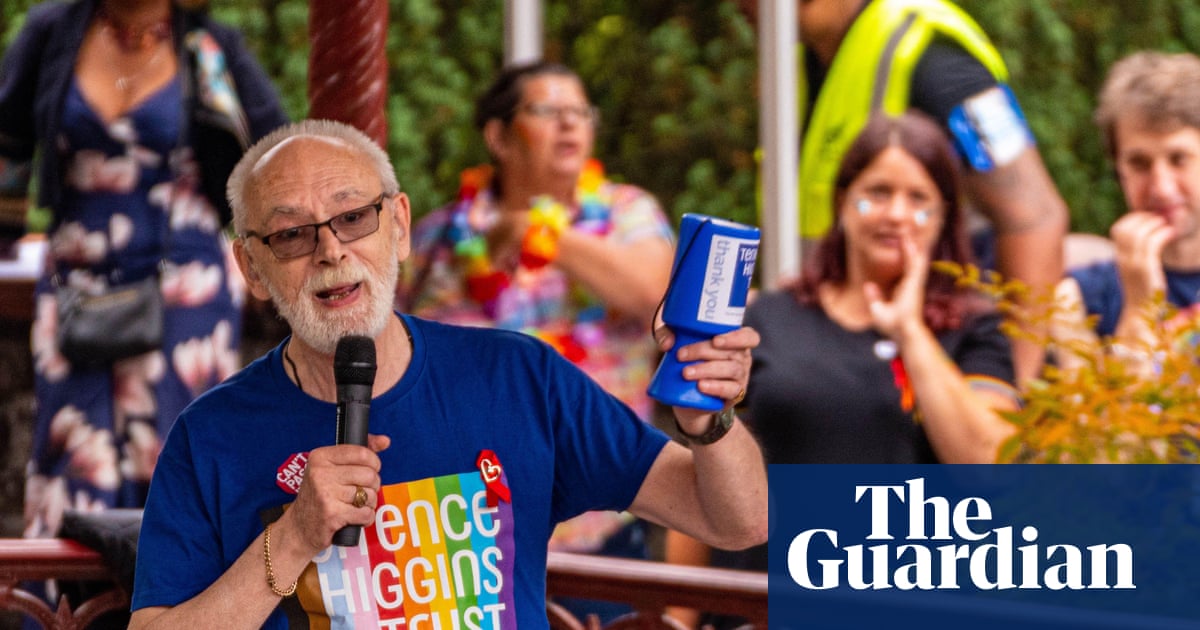
The world has lost a quiet but monumental figure in the fight against HIV/AIDS. Martyn Butler, co-founder of the Terrence Higgins Trust, the United Kingdom’s leading HIV charity, died on February 21, 2026, at the age of 71. His passing, as reported by multiple news outlets including The Guardian and The Times, marks the end of an era for those who remember the early, terrifying days of the epidemic and the tireless work of activists who stepped up to provide care, advocacy, and hope. Butler’s commitment stemmed from a deeply personal loss – the death of his friend, Terry Higgins, one of the first individuals in the UK publicly identified as dying from an AIDS-related illness.
Butler’s legacy isn’t one of grandstanding or seeking the spotlight, but of consistent, dedicated action. He, alongside Rupert Whitaker, Terry Higgins’ partner, recognized the urgent need for a community-led response when official channels were slow to react and societal stigma was rampant. The Terrence Higgins Trust, born from this necessity in 1982, quickly became a lifeline for those affected by HIV/AIDS, offering not only practical support but also a crucial voice in challenging prejudice and demanding better healthcare. This work began at a time when understanding of the virus was limited, and fear fueled discrimination, making Butler’s courage and compassion all the more remarkable.
Born in Newport, Wales, on July 30, 1954, Martyn Butler faced personal challenges early in life. He experienced hearing loss due to congenital nerve damage, and he later recounted feeling unsupported by the education system. Despite these obstacles, he moved to London in the 1970s, finding work in advertising and as a cinema technician. It was in the vibrant London nightlife scene, at clubs like Bang and Heaven, that he met Terry Higgins, forging a friendship that would profoundly shape his life and the lives of countless others. The tragic loss of Higgins in 1982 served as the catalyst for Butler’s lifelong dedication to fighting the AIDS epidemic.
The Birth of a Movement: Founding the Terrence Higgins Trust
The early 1980s were a period of immense fear and uncertainty surrounding a mysterious recent illness that was disproportionately affecting gay men. The initial identification of what would become known as AIDS occurred in the United States in 1981, but the impact quickly spread globally. In the UK, the response was initially slow, and the lack of information fueled panic and discrimination. The London Lesbian and Gay Switchboard, overwhelmed with calls from concerned individuals, recognized the urgent need for a coordinated response. This led to a collaboration with the Gay Medical Association and the newly formed Terrence Higgins Trust to organize a pivotal conference at Conway Hall in London in 1983, considered the first of its kind in the UK dedicated to addressing the AIDS crisis. Details of the conference can be found on the Conway Hall website.
The conference featured prominent voices from the US and the UK, including Mel Rosen, the executive director of Gay Men’s Health Crisis in New York, and Martyn Butler himself, who delivered an inspiring speech. Rupert Whitaker, by this time diagnosed with the disease, also shared his experiences. The Terrence Higgins Trust quickly established itself as a vital resource, focusing on education, providing a “buddy service” for those living with AIDS, advocating for improved care within the National Health Service (NHS), and preparing for the increasing demands on hospice facilities. The trust’s early work was characterized by resourcefulness and a commitment to filling the gaps left by a slow-moving official response.
Navigating Hostility and Stigma
The path forward for the Terrence Higgins Trust was not without significant obstacles. The 1980s were a politically charged era in the UK, marked by the Conservative government of Margaret Thatcher. For several years, the government was reluctant to provide funding to the trust, viewing it, as reported by The Guardian, as being run by gay rights activists – a characterization that was largely accurate. This reluctance stemmed from the prevailing societal prejudices and the government’s broader political agenda.
Adding to the challenges, the passage of the Local Government Act in 1988, specifically Section 28, further marginalized the LGBTQ+ community. This controversial clause prohibited the “promotion” of homosexuality in schools and libraries, creating a hostile environment and hindering efforts to educate the public about HIV/AIDS. Even earlier, in 1985, customs officers seized books about AIDS from Gay’s the Word bookshop in London, citing indecency, highlighting the pervasive censorship and discrimination of the time. Despite these hurdles, the Terrence Higgins Trust persevered, becoming a beacon of reason and providing essential services and reliable information to all who needed it.
A Lasting Impact and Continued Relevance
The Terrence Higgins Trust’s impact extends far beyond its initial response to the AIDS crisis. Over the years, the organization has evolved to address the changing needs of the HIV/AIDS community, expanding its services to include counseling, support groups, and comprehensive sexual health information. In 2025, the trust’s helpline, THT Direct, received nearly 13,000 calls, and distributed 30,000 HIV test kits, demonstrating its continued relevance in a modern context. Today, the trust is actively working towards its goal of stopping the transmission of HIV in the UK by 2030, promoting self-testing and ensuring access to treatment for all those affected. More information about the Terrence Higgins Trust’s current work can be found on their official website.
Butler’s personal life was deeply intertwined with the epidemic he fought so tirelessly against. He documented the funerals of over 50 friends lost to AIDS, and tragically, his own boyfriend died from the disease at the age of 22. Despite his personal losses, he remained dedicated to the cause, working in an unpaid advisory and ambassadorial role for the trust even after returning to Newport, Wales, later in life. He was appointed an Officer of the Order of the British Empire (OBE) in 2022 and received a Rainbow Honours lifetime achievement award, recognizing his extraordinary contributions. He was scheduled to speak at a Plaid Cymru conference in Newport shortly before his death, a testament to his ongoing commitment.
Beyond the Trust: A Life of Innovation
While best known for his work with the Terrence Higgins Trust, Martyn Butler also enjoyed a successful career as a laser lightshow technician. For 25 years, he ran a business that provided spectacular displays for various events, including the opening of the Canary Wharf financial district in the 1990s. This entrepreneurial venture allowed him to support himself financially while continuing his unpaid work with the trust. His diverse skillset and unwavering dedication exemplify his commitment to making a positive impact on the world.
Martyn Butler is survived by his mother, Diane, and his siblings, Guy, Andrew, and Jacqueline. His death represents a significant loss to the HIV/AIDS community and to all those who champion social justice and equality. His legacy will continue to inspire future generations of activists and healthcare professionals to fight for a world free from HIV/AIDS and discrimination.
The Terrence Higgins Trust continues its vital work, and remains at the forefront of HIV prevention, support, and advocacy. For those wishing to learn more about HIV/AIDS, access testing services, or support the trust’s mission, resources are available on their website. The ongoing fight against HIV requires continued vigilance, research, and a commitment to dismantling the stigma that still surrounds the disease.
Key Takeaways:
- Martyn Butler was a co-founder of the Terrence Higgins Trust, a leading HIV charity in the UK.
- His work was spurred by the death of his friend, Terry Higgins, one of the first named individuals to die of AIDS-related illness in the UK.
- The trust faced significant challenges in its early years, including government reluctance to fund its work and societal stigma surrounding HIV/AIDS.
- Butler’s legacy is one of unwavering dedication, compassion, and a commitment to fighting for social justice.
Related reading