Researchers at Weill Cornell Medicine and Memorial Sloan Kettering Cancer Center discovered that a tumor-secreted protein called integrin alpha-5 causes lung blood vessels to become leaky, driving cancer metastasis. Published in August 5, the findings reveal how extracellular vesicles prepare distant organs for cancer spread.
Common cancer types utilize secreted tiny capsules and particles known as extracellular vesicles and particles to shape distant microenvironments and prepare them for metastatic growth. Investigators identified the specific cargo protein responsible for inducing vascular leakiness in the lungs. The study highlights how tumors accelerate metastasis by hijacking normal intercellular communication channels.
How Integrin Alpha-5 Triggers Vascular Leakiness
The research team tracked how tumor implantation in animal models triggered rapid increases in lung blood vessel permeability across melanoma, osteosarcoma, and colorectal cancers. When isolated extracellular vesicles and particles derived from these tumors were injected into healthy, tumor-free mice, the vessels reacted almost immediately. This effect on lung vessels is surprisingly rapid—we could measure it just an hour or two after injecting the EVPs,
noted Dr. Shani Dror, a research associate in the Lyden lab at Weill Cornell Medicine.
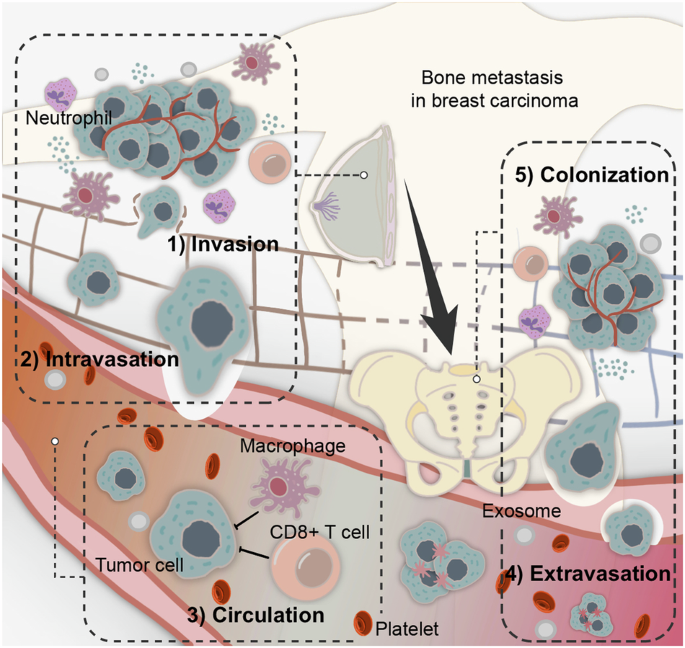
Rather than acting directly on the endothelial cells that line blood vessels, these vesicles operate through an indirect cellular pathway. They target resident macrophages close to lung blood vessels, provided those immune cells carry the integrin alpha-5 cargo. Once engaged, integrin alpha-5 prompts the macrophages to secrete the pro-inflammatory protein IL-6, which subsequently signals nearby endothelial cells to loosen their tight junctions and permit circulating cells to enter lung tissue.
Clinical Implications for Cancer Surgery and Detection
Analysis of human tumor gene expression databases revealed that high expression of integrin alpha-5 correlates with poorer overall survival in several tumor types, including colorectal cancer. Furthermore, tissue samples from patients with intermediate to advanced colorectal cancer released vesicles containing the protein that successfully induced vessel permeability in experimental settings.
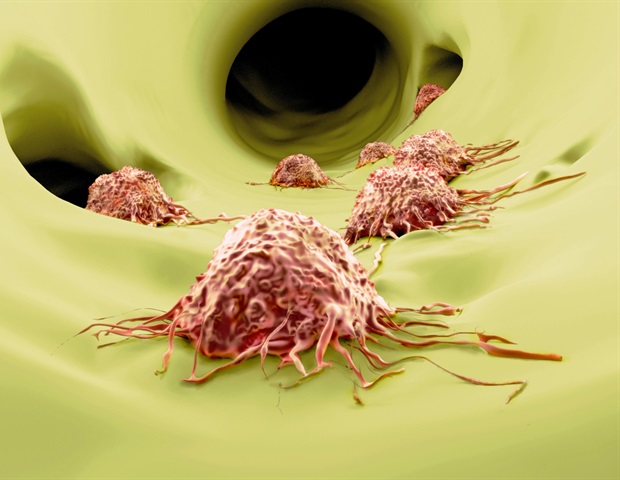
These insights point toward new therapeutic interventions timed around surgical procedures. One possibility is that we could try to detect these integrin alpha-5-containing EVPs during cancer surgery, to assess the risk of metastasis,
said Dr. Jacqueline Bromberg, a breast oncologist at Memorial Sloan Kettering Cancer Center and associate professor of medicine at Weill Cornell Medicine. If we had a good drug for blocking integrin alpha-5, we could give this at the time of surgery to potentially reduce the risk of metastasis.
Broader Mechanics of Metastatic Spread and Vascular Barriers
The discovery aligns with broader investigations into how circulating tumor cell clusters navigate the vascular system. Separate research published in Science Advances by a team at the Johns Hopkins University School of Medicine examined the opposing forces that govern whether cancer cells successfully enter blood vessels.
That study focused on the protein TRPM7, which senses fluid pressure in flowing blood and instructs cells to turn back. While normal cells and fibroblasts demonstrate high sensitivity to fluid stress and avoid entering active blood vessels, metastatic cancer cells often exhibit depleted regulatory protein levels, allowing them to traverse the vascular wall easily. The combined findings across recent molecular studies underscore how targeting specific protein cargoes and mechanosensory pathways may eventually restrict the migratory capacity of aggressive tumors.
Related reading