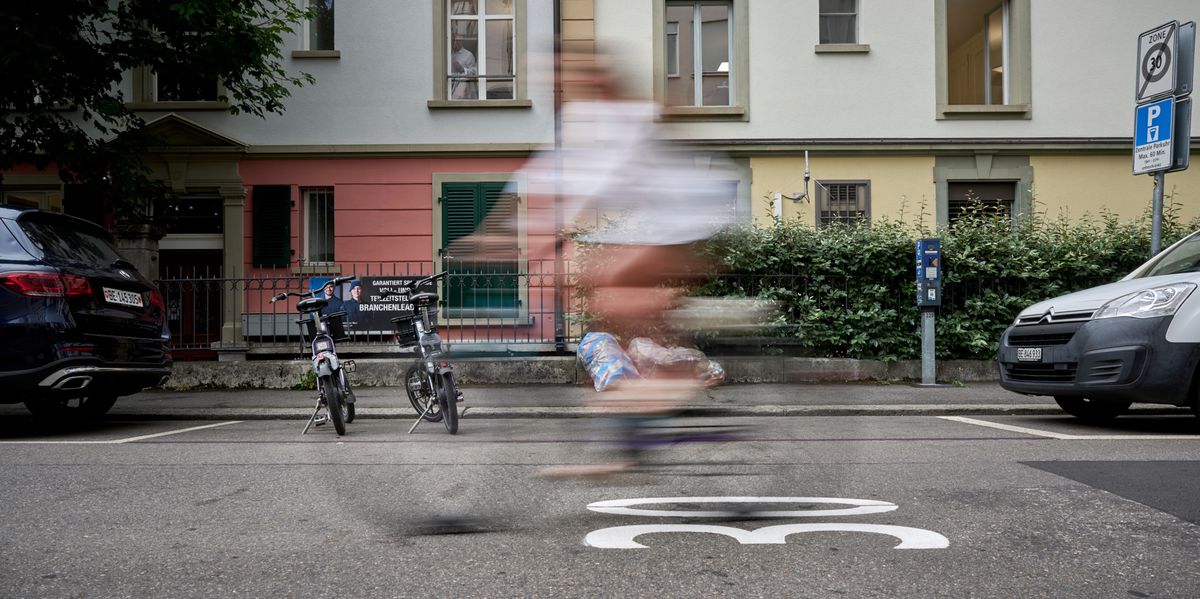
Publicly subsidized bicycle-sharing schemes in Swiss cities such as Zürich and Bern have become the center of a political debate following the acquisition of the operating company by a British investment firm. Municipal authorities in both cities commit millions in public funds to support urban micro-mobility infrastructure, prompting local politicians to question whether taxpayer subsidies ultimately benefit private foreign investors rather than local commuters.
The transition of ownership has intensified scrutiny over how public subsidies interact with private capital in municipal transport contracts. As cities across Europe expand green transit networks to meet climate targets, municipal councils face mounting pressure to ensure that public investments yield direct public returns rather than generating private equity windfalls.
According to municipal budget disclosures, both Zürich and Bern allocate substantial financial backing to maintain regional bicycle rental networks. These operational subsidies are designed to keep subscription costs affordable and ensure city-wide bike availability, bridging the gap between user fees and actual operating costs.
The Financial Stakes for Swiss Municipalities
Maintaining a reliable municipal bicycle-sharing system requires continuous capital expenditure and operational support. In Zürich and Bern, city councils have structured long-term agreements with private operators to manage logistics, fleet maintenance, and station infrastructure. Public subventions are injected annually to stabilize these systems, shielding consumers from price volatility.
However, the entry of foreign private equity into urban transit infrastructure changes the financial dynamic. When a private investor acquires an established scheme backed by public funds, critics argue that the risk remains largely municipal while potential profits accrue to international shareholders. Lawmakers in city parliaments have requested detailed financial audits to track how public funds are deployed under the new corporate structure.
According to municipal transparency reports, public funding models for urban transit are governed by strict contractual obligations. City officials maintain that operational subsidies are tied strictly to performance metrics, service levels, and network density rather than corporate profitability.
Political Reactions and Concerns Over Taxpayer Funds
Elected officials representing various political factions have raised concerns regarding accountability and the long-term protection of municipal investments. Critics point out that taxpayers in Zürich and Bern are effectively subsidizing a commercial enterprise now controlled by overseas interests. Debates in local legislatures center on whether future contracts should include clawback clauses or stricter ownership restrictions.
Proponents of the existing public-private partnership model argue that municipal authorities lack the specialized logistics expertise required to run large-scale digital bike-sharing networks efficiently. They contend that private operators bring technological innovation and operational scale that cities cannot easily replicate on their own. Without private investment, municipal departments would face significantly higher capital hurdles to upgrade aging bicycle fleets and docking stations.
Furthermore, city transport departments emphasize that micro-mobility networks reduce urban congestion and lower carbon emissions. From this perspective, the public subsidies represent a necessary investment in public health and environmental sustainability, regardless of the ultimate corporate ownership of the operating vendor.
Regulatory Oversight and Future Contractual Frameworks
As public scrutiny intensifies, municipal regulators are reviewing existing oversight mechanisms to guarantee compliance with public spending guidelines. City legal departments examine whether current procurement laws allow for tighter controls over the corporate restructuring of subsidized contractors. Future contract renewals are expected to feature enhanced transparency requirements regarding dividend payouts, executive compensation, and the reinvestment of operational revenues back into the local network.
The ongoing debate reflects a broader European challenge: balancing the agility of private market operators against the public accountability demanded by urban taxpayers. Municipal councils in Switzerland continue to monitor fleet performance while evaluating whether public-private frameworks require structural reform to safeguard public resources in the micro-mobility sector.
Keep reading