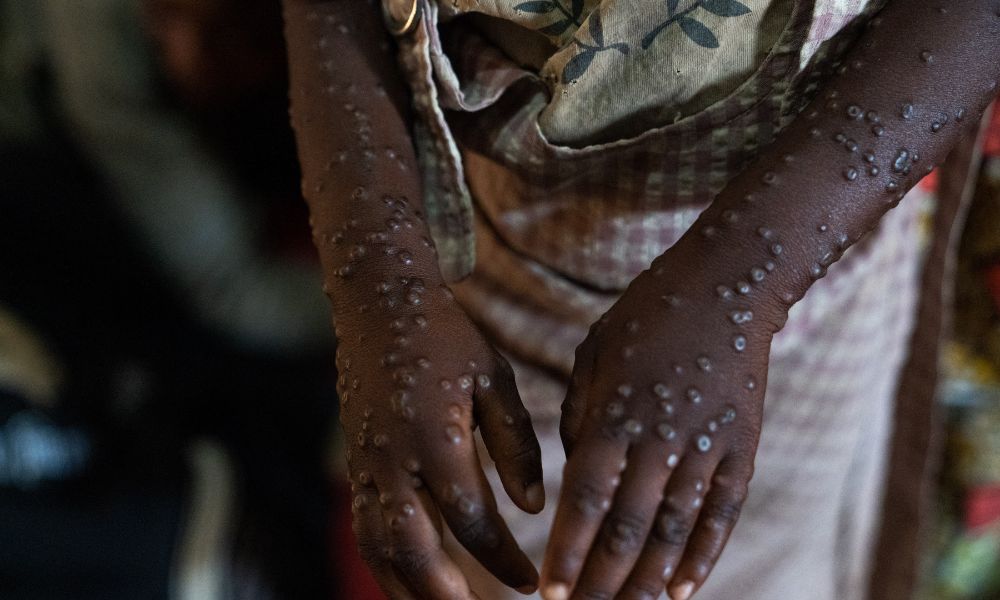
São Paulo, Brazil – Health officials are monitoring a recent increase in mpox cases across Brazil, with the national total reaching 140 confirmed diagnoses as of Monday, March 9, 2026. While the number remains significantly lower than the peak of the global outbreak in 2022, the uptick is prompting renewed vigilance from public health authorities. The Ministry of Health’s monitoring panel reports 539 suspected cases nationwide, and, reassuringly, no deaths have been recorded this year.
The rise in cases is particularly noticeable in the state of São Paulo, which accounts for 73 of the confirmed diagnoses since the beginning of 2026. A breakdown of cases by state reveals that Rio de Janeiro has recorded 18 cases, while Minas Gerais and Rondônia each report 11. Rio Grande do Norte, Rio Grande do Sul and Santa Catarina have each seen 3 cases, Paraná has 2, and Amazonas, Ceará, Distrito Federal, Pará, and Sergipe each report a single confirmed case. This geographical distribution highlights the need for targeted public health interventions and awareness campaigns across different regions of the country.
Mpox, formerly known as monkeypox, is a viral zoonotic disease similar to smallpox, but generally less severe. The virus can spread through close contact with an infected person or animal, or with materials contaminated with the virus. The current situation in Brazil underscores the importance of ongoing surveillance and rapid response to contain potential outbreaks. Since the beginning of systematic monitoring in June 2022, Brazil has recorded a total of 14,634 mpox diagnoses, with 19 fatalities reported during that period. The recent increase, while not reaching those earlier levels, serves as a reminder that mpox remains a public health concern.
Understanding the Current Situation
The recent surge in mpox cases in Brazil follows a global pattern of fluctuating incidence. While the World Health Organization (WHO) declared the conclude of the Public Health Emergency of International Concern (PHEIC) for mpox in September 2025, the virus continues to circulate in several countries, particularly in Africa. The Africa Centres for Disease Control and Prevention (Africa CDC) maintains a continental emergency declaration, reflecting ongoing concerns about the virus’s spread and impact on the continent. NPR reported in September 2025 that mpox had faded from headlines, but continued to be a concern in regions like Kenya, where cases were expanding rapidly.
The symptoms of mpox typically include a characteristic rash or skin lesions, swollen lymph nodes, fever, headache, muscle aches, chills, and fatigue. Individuals experiencing these symptoms are urged to seek medical evaluation promptly. Early diagnosis and appropriate medical care can help manage the symptoms and prevent further transmission. The Brazilian Ministry of Health is working to ensure that healthcare providers are equipped to recognize and respond to suspected cases.
The current outbreak in Brazil is being closely monitored by health authorities to determine the characteristics of the circulating virus and identify any potential risk factors. Understanding the transmission dynamics and vulnerable populations is crucial for implementing effective prevention and control measures. Public health officials are emphasizing the importance of safe sexual practices, avoiding close contact with individuals exhibiting symptoms, and practicing quality hygiene.
Transmission and Prevention
Mpox transmission occurs primarily through direct contact with skin lesions, body fluids, respiratory droplets, or contaminated materials. Sexual contact, particularly among men who have sex with men, has been identified as a significant route of transmission in recent outbreaks. Still, anyone can contract mpox through close contact with an infected individual or contaminated surfaces. As reported by NPR, the virus spreads through both sexual contact and close contact in general.
Preventive measures include avoiding close contact with individuals who have symptoms of mpox, practicing good hand hygiene, and using barrier methods during sexual contact. Vaccination against mpox is similarly available and recommended for individuals at high risk of exposure. The Jynneos vaccine, approved by regulatory agencies in several countries, has demonstrated efficacy in preventing mpox infection. Brazilian health authorities are working to expand access to vaccination for eligible populations.
The Role of Surveillance and Research
Robust surveillance systems are essential for detecting and responding to mpox outbreaks effectively. The Brazilian Ministry of Health’s monitoring panel plays a critical role in tracking cases, identifying trends, and informing public health interventions. Continued investment in surveillance infrastructure and data analysis is crucial for maintaining situational awareness and preventing future outbreaks.
Research efforts are also underway to better understand the virus, develop new diagnostic tools, and evaluate the effectiveness of different treatment strategies. Scientists are investigating the genetic evolution of mpox viruses to track their spread and identify potential mutations that could affect their transmissibility or virulence. Collaboration between researchers, public health agencies, and healthcare providers is essential for advancing our knowledge of mpox and improving our ability to combat the disease.
The work of journalists like Glody Murhabazi of Agence France-Presse (AFP) is vital in reporting on these public health concerns and disseminating accurate information to the public. His reporting, and that of other journalists, helps to raise awareness and promote informed decision-making.
What to Do If You Suspect Mpox
If you experience symptoms consistent with mpox, such as a rash, fever, or swollen lymph nodes, it is crucial to seek medical attention immediately. Contact your healthcare provider to schedule an appointment and discuss your concerns. Avoid close contact with others while you are experiencing symptoms to prevent potential transmission.
Healthcare providers can perform diagnostic tests to confirm mpox infection and provide appropriate medical care. Treatment for mpox is primarily supportive, focusing on managing symptoms and preventing complications. Antiviral medications may be considered in certain cases, particularly for individuals with severe illness or weakened immune systems.
Staying informed about mpox and following the guidance of public health authorities are essential steps in protecting yourself and your community. Reliable sources of information include the Brazilian Ministry of Health, the World Health Organization, and reputable medical websites.
The situation with mpox in Brazil, while currently stable, requires continued vigilance. The recent increase in cases serves as a reminder that the virus remains a threat, and ongoing efforts are needed to prevent further spread and protect public health. The Ministry of Health will continue to monitor the situation closely and provide updates as new information becomes available.
The next official update from the Brazilian Ministry of Health regarding mpox case numbers is scheduled for March 18, 2026. Stay informed and share this information with your network to help raise awareness about mpox and promote public health. Your comments and questions are welcome below.
Related reading