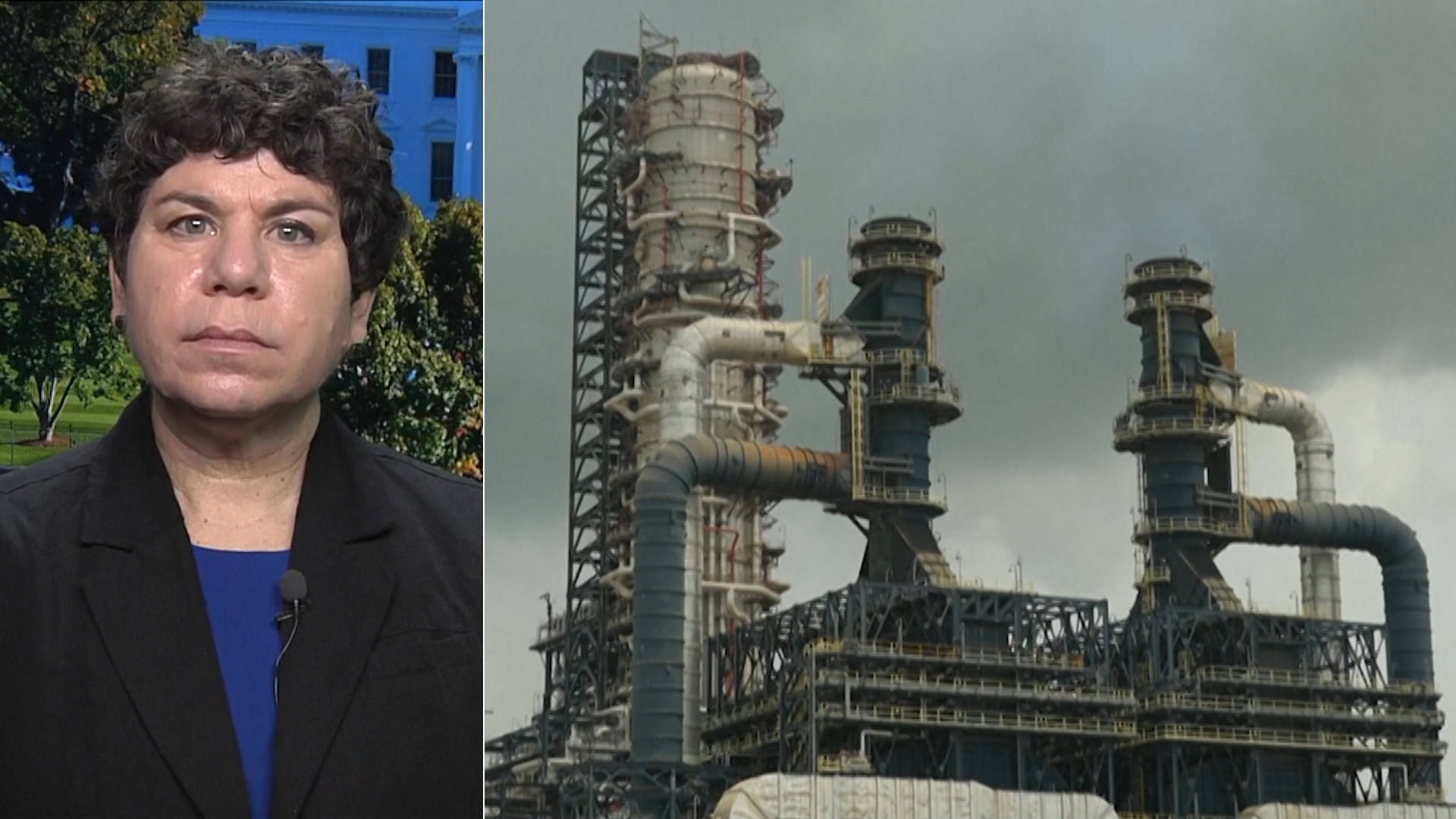
The escalating conflict between the United States, Israel, and Iran is exposing a dangerous reality: the world’s continued reliance on fossil fuels is not merely an environmental concern, but a critical geopolitical vulnerability. As tensions rise and the potential for wider war looms, oil has rapidly grow a central weapon, with both sides leveraging control of supply and energy infrastructure to exert pressure. The situation, as highlighted by experts, demonstrates how deeply intertwined global security is with the production and distribution of oil, and how easily this dependence can be weaponized.
Recent reports indicate a volatile energy market, with oil prices experiencing significant fluctuations amid the conflict. While prices initially surged to nearly $120 per barrel on Monday, they subsequently dropped, reflecting the uncertainty and rapid shifts in the geopolitical landscape. Iran has signaled its willingness to disrupt oil flows through the Strait of Hormuz, a critical chokepoint for global energy supplies, until hostilities cease. This threat prompted a strong response from the U.S., with President Trump threatening a forceful retaliation should Iran impede shipping lanes, and even considering taking control of the strait itself. Defense Secretary Pete Hegseth echoed this sentiment, warning of further action against Iran if disruptions continue. These escalating threats underscore the precariousness of the situation and the potential for a rapid escalation with far-reaching consequences for the global economy.
Fossil Fuels as a Weapon of War
The current crisis isn’t isolated. Experts like Antonia Juhasz, an investigative journalist specializing in the fossil fuel industry, argue that all parties involved are actively utilizing fossil fuels as a tool of war. Iran is retaliating by targeting energy infrastructure and threatening to block the Strait of Hormuz, aiming to drive up prices and create economic pressure. Conversely, the U.S. And Israel have responded by directly targeting oil depots and other critical energy facilities within Iran. This reciprocal targeting highlights a dangerous pattern where energy resources are not just a source of economic power, but also a direct target in military conflicts.
The bombing of oil depots in Tehran, impacting millions of residents, has resulted in what observers describe as an “apocalyptic reality,” with toxic smoke and pollutants spreading across the region. This situation mirrors the environmental and health consequences seen in areas like “Cancer Alley” in Louisiana, where communities living near fossil fuel production facilities experience disproportionately high rates of illness. The scale of the potential harm in Iran is significantly magnified by the intensity of the conflict and the widespread targeting of energy infrastructure. The targeting of petrochemical complexes, facilities that convert fossil fuels into other products, further exacerbates the environmental risks.
This pattern of weaponizing fossil fuels isn’t new. Juhasz points to Russia’s actions following the invasion of Ukraine as a parallel example. Russia restricted oil and gas supplies to Europe, attempting to leverage its energy dominance for political gain. Ukraine responded by calling for a global shift away from fossil fuels, recognizing their role in enabling Russia’s aggression. While initial responses to the Ukrainian call to action saw some policies implemented to reduce fossil fuel dependence, the Trump administration reversed this progress, prioritizing continued reliance on oil and gas and engaging in military actions in Venezuela and the Middle East.
The Geopolitical Stakes: Beyond the Gulf
The conflict extends beyond the immediate region, impacting global energy markets and international relations. The Strait of Hormuz, through which approximately 20% of the world’s oil supply passes, is a critical artery for global energy security. Disruptions to this waterway could have devastating consequences for economies worldwide, particularly those heavily reliant on Middle Eastern oil. China, a major importer of Iranian oil, is particularly vulnerable to disruptions in supply. The situation also highlights the interconnectedness of global energy markets and the potential for cascading effects from regional conflicts.
The focus on controlling oil supplies raises questions about the strategic objectives of the U.S. And its allies. Some analysts suggest that the U.S. Is seeking to exert greater control over global oil reserves, potentially to benefit U.S. Oil companies and maintain its geopolitical influence. Others argue that the primary goal is to weaken Iran’s power by targeting its energy infrastructure and limiting its ability to generate revenue from oil exports. Regardless of the specific motivations, the conflict underscores the enduring importance of oil in international power dynamics.
Venezuela and Iran: A Pattern of Intervention?
Juhasz highlights a concerning pattern of U.S. Military intervention in countries with significant oil reserves, specifically citing Venezuela, and Iran. Venezuela, possessing the world’s largest proven oil reserves, has been subject to U.S. Sanctions and political pressure. Iran holds the world’s third-largest oil reserves and has long been a target of U.S. And Israeli policy. This raises questions about whether the U.S. Is pursuing a strategy of controlling global oil supplies through military and economic coercion. The pursuit of these resources, and the desire to limit the influence of nations that control them, appears to be a driving force behind these interventions.
The Path Forward: Reducing Dependence on Fossil Fuels
The current crisis underscores the urgent demand to transition away from fossil fuels and towards a more sustainable energy future. The weaponization of oil demonstrates the inherent risks of relying on a finite resource controlled by a limited number of countries. Investing in renewable energy sources, such as solar, wind, and geothermal, can reduce dependence on volatile global oil markets and enhance energy security. Promoting energy efficiency and conservation can help to reduce overall energy demand.
The initial response to the Russian invasion of Ukraine, with calls for ending reliance on fossil fuels, demonstrated the potential for a global shift towards cleaner energy sources. However, this momentum was stalled by policy reversals and a renewed focus on fossil fuel production. Reigniting this momentum and accelerating the transition to renewable energy is crucial for mitigating the risks associated with geopolitical instability and climate change. A diversified energy portfolio, less reliant on fossil fuels, would not only reduce vulnerability to disruptions in supply but also contribute to a more sustainable and equitable future.
Key Takeaways
- The U.S.-Israeli conflict with Iran is highlighting the dangerous weaponization of fossil fuels.
- Control of oil supplies is a central factor in the conflict, with both sides using energy resources as leverage.
- The crisis underscores the urgent need to reduce global dependence on fossil fuels and transition to renewable energy sources.
- U.S. Military interventions in countries with significant oil reserves raise concerns about strategic control of global energy markets.
- The situation in the Strait of Hormuz poses a significant threat to global energy security and economic stability.
As the situation in the Middle East continues to evolve, the international community must prioritize de-escalation and diplomatic solutions. The long-term solution, however, lies in addressing the root cause of the problem: our collective dependence on fossil fuels. The next key development to watch will be the outcome of ongoing diplomatic efforts and any potential shifts in U.S. Energy policy. We encourage readers to share their thoughts and perspectives on this critical issue in the comments below.
Related reading