Sofia, Bulgaria – Tensions remain high in the Middle East as the conflict between Iran and its adversaries enters its eleventh day, marked by conflicting statements from key international figures and heightened security concerns across Europe. While former U.S. President Donald Trump has claimed the war is “almost finished,” Israeli Prime Minister Benjamin Netanyahu has refuted this assessment, and Tehran has issued threats in response. European capitals, including Rome, London, and Berlin, are bolstering security measures, particularly concerning maritime traffic in the Strait of Hormuz.
The current escalation began on February 28, 2026, with a coordinated military operation launched by the United States and Israel against targets within Iran. According to reports from Sky TG24, despite the reported death of Iran’s Supreme Leader Ali Khamenei, Tehran has retaliated against the strikes, and fighting continues. This has prompted Italian authorities to increase vigilance around sensitive sites linked to the involved nations – the U.S., Israel, and Iran – as well as at large public gatherings and significant events.
Heightened Security Measures in Italy and Europe
Italy’s response has been swift, and comprehensive. On March 2, 2026, the National Committee for Public Order and Security, chaired by Interior Minister Matteo Piantedosi and including the heads of police and intelligence agencies, convened to assess and update security protocols nationwide. As detailed by Sky TG24, over 28,000 sensitive locations across Italy are under surveillance, with increased security deployed specifically to those connected to the countries involved in the conflict. The committee also decided to elevate security measures for upcoming demonstrations and events to ensure public safety.
The Italian government has also increased meetings of CASA (Comitato Strategico Antiterrorismo), the Strategic Anti-Terrorism Committee, to further enhance preventative measures. This reflects a broader European concern about potential spillover effects from the Middle Eastern conflict. The focus extends beyond physical security to include monitoring for potential protests or disruptive actions linked to the geopolitical tensions.
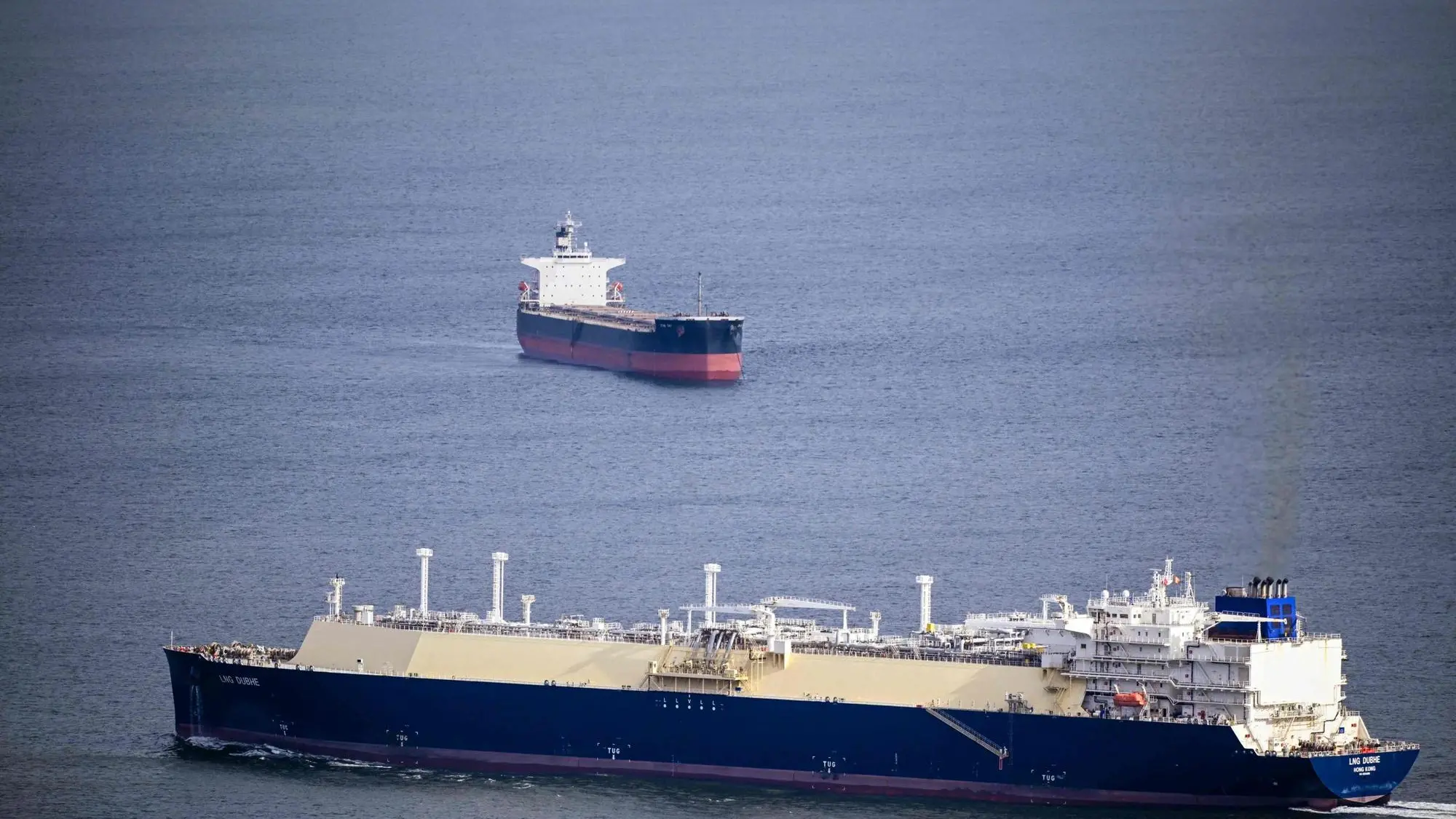
Beyond Italy, the United Kingdom and Germany are taking similar steps to protect shipping lanes in the Strait of Hormuz, a critical waterway for global oil supplies. Notizie.it reports that these nations are prepared to offer protection to vessels transiting the area, acknowledging the strategic importance of the region and the potential for disruption.
Conflicting Signals and International Reactions
The contrasting statements from Trump and Netanyahu highlight the complex and fluid nature of the situation. Trump’s claim of an impending end to the conflict stands in stark contrast to Netanyahu’s assessment, suggesting a divergence in perspectives on the progress and potential duration of the hostilities. Tehran’s threats further complicate the landscape, indicating a continued willingness to engage in retaliatory actions.
The U.S. State Department has issued travel advisories urging American citizens to avoid travel to Iran and the surrounding region, citing the heightened risk of conflict and potential for terrorist activity. The Italian Foreign Ministry (Farnesina) has similarly reiterated cautions for Italian citizens in the Middle East, particularly in areas of active conflict. Notizie.it details that the Farnesina is providing assistance and guidance to Italian nationals seeking to leave the region.
Impact on Israeli Expats and Jewish Communities
The closure of Israeli airspace following the initial attacks has left thousands of Israelis stranded abroad. In Rome, the Jewish community has mobilized to provide assistance to those affected. The Times of Israel reports that Nofar Kashi Moresco, a Rome resident originally from Israel, has spearheaded efforts to offer accommodation, meals, and medical assistance to stranded Israelis.
Following the October 7, 2023, Hamas-led attacks on Israel, Kashi Moresco established a volunteer network to support Israelis affected by the conflict. This network has been reactivated to address the current crisis, providing a vital lifeline for those unable to return home due to flight cancellations. It’s estimated that several hundred, and potentially thousands, of Israelis are currently stranded in Rome, part of a larger group of approximately 150,000 Israelis stranded worldwide.
🇮🇱🤝🇮🇹 Rome’s Jewish community rallies to help Israelis stranded by the Iran war. https://t.co/qJq9q9q9q9
Potential Risks and Future Scenarios
The escalation of conflict carries several potential risks for Italy and the wider international community. These include the possibility of cyberattacks targeting critical infrastructure, the spread of disinformation campaigns aimed at destabilizing public opinion, and the potential for terrorist attacks inspired by the conflict. Italian intelligence agencies are actively monitoring these threats and working to mitigate their impact.
Experts suggest several possible future scenarios. One possibility is a prolonged period of low-intensity conflict, characterized by sporadic clashes and ongoing tensions. Another is a wider regional war, involving multiple actors and potentially drawing in other countries. A third possibility is a negotiated settlement, although the prospects for such an outcome appear limited at present, given the entrenched positions of the parties involved.
The situation remains highly volatile and unpredictable. Continued diplomatic efforts are crucial to de-escalate tensions and prevent further escalation. The international community must work together to find a peaceful resolution to the conflict and address the underlying causes of instability in the region.
Key Takeaways
- The conflict between Iran and its adversaries is ongoing, despite claims of an imminent end.
- European nations, including Italy, the UK, and Germany, are increasing security measures in response to the heightened threat level.
- Israeli expats stranded abroad are receiving assistance from local Jewish communities, particularly in Rome.
- Potential risks include cyberattacks, disinformation campaigns, and terrorist attacks.
- A peaceful resolution remains elusive, requiring sustained diplomatic efforts.
The Italian government is expected to provide further updates on the security situation in the coming days. The National Committee for Public Order and Security will continue to monitor developments closely and adjust security protocols as necessary. Readers are encouraged to stay informed through official sources and to exercise caution when traveling in the region.
Do you have thoughts on this developing story? Share your comments below and let us grasp what you think.
Keep reading
- US and Saudi Arabia Strike Iran-Backed Militias as Middle East Tensions Escalate
- Why the Trump Administration Manipulated Military Casualty Figures
- Traditional Slovak Sugar Factory Omnia Fails into Debt, Seeks Court Protection (world-today-news.com)
- Missouri’s Leadership Amidst White House-Backed Ratepayer Protection Pledge (news-usa.today)