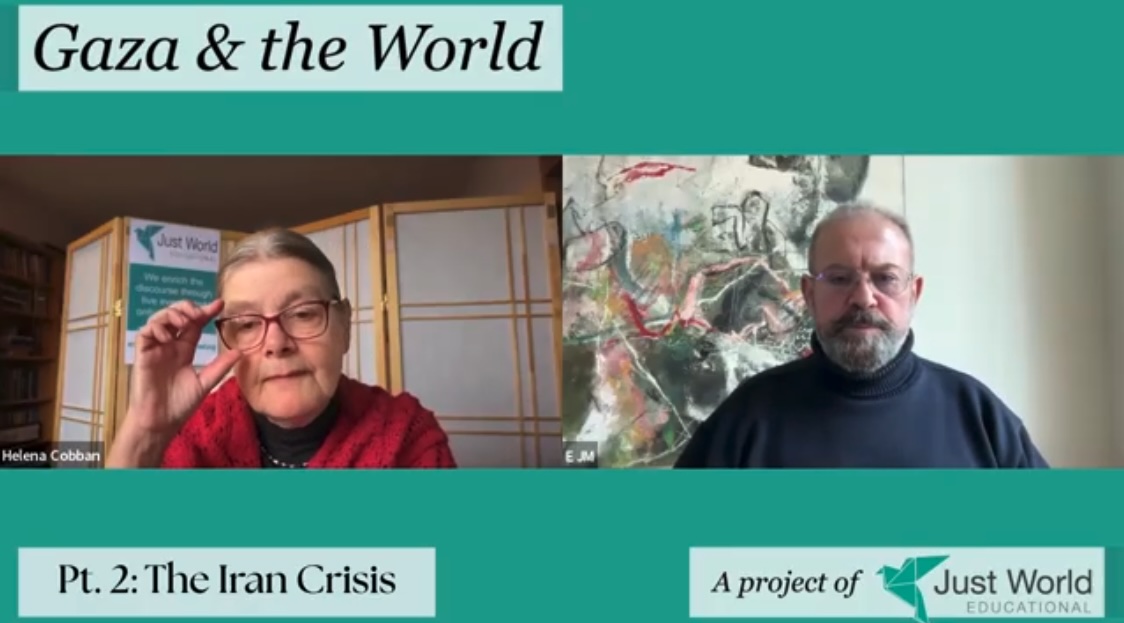
The current conflict involving Iran is characterized by a significant divergence in objectives between the United States and Israel, a dynamic that strategic analyst Elijah Magnier argues stems from fundamentally different leadership approaches and strategic planning. While Israel, under Prime Minister Benjamin Netanyahu, appears to be pursuing a long-term strategy aimed at destabilizing Iran, the United States, under President Donald Trump, seems driven by a desire for short-term gains and public perception, potentially lacking a cohesive long-term plan. This disparity, as highlighted in a recent discussion with Helena Cobban, president of Just World Educational, raises concerns about the potential for escalation and the prospects for a stable resolution.
Magnier, speaking on March 2, 2026, outlined a stark contrast in the approaches of Netanyahu and Trump. He posited that Netanyahu’s “plan B” involves the complete dismantling or division of Iran, while Trump appears to be motivated by the pursuit of accolades, such as a Nobel Peace Prize, or a swift victory for political capital. This difference in motivation, Magnier contends, has resulted in a conflict with a declared aim – regime change in Tehran – that is divorced from any realistic path to a sustainable outcome. The conversation, available on YouTube here, Apple Podcasts here, Spotify here, Buzzsprout here and as a transcript here, provides a detailed analysis of the geopolitical complexities at play.
Domestic Political Pressures Shaping the Conflict
The conflict is not unfolding in a vacuum; domestic political considerations in both the United States and Israel are significantly influencing the trajectory of events. Polling data preceding the escalation of hostilities indicated limited public support for a direct attack on Iran within the United States, with only 27 percent of Americans in favor, a stark contrast to the 90 percent support observed before the 2001 invasion of Afghanistan and 78 percent before the 2003 invasion of Iraq. This lack of widespread public enthusiasm, coupled with concerns about rising energy prices and the increasing cost of living, is creating political headwinds for policymakers. Trump’s political base, Magnier noted, is itself skeptical of further military engagement. The American public, he suggested, is wary of being perceived negatively on the global stage, particularly in comparison to Israel, and sees limited benefit in foreign policies that result in casualties and economic hardship.
Iran’s Resilience and Negotiating Position
Contrary to expectations in Washington and Tel Aviv, Iran appears to have entered the conflict better prepared than anticipated. The Iranian constitution, Magnier explained, provides for a seamless transition of leadership and command in the event of the incapacitation of the Supreme Leader, with a network of trained officials ready to assume key roles. Despite the reported killing of Ayatollah Ali Khamenei and senior military figures on February 28, Iran’s governance and military structures have not only survived but are reportedly functioning effectively on multiple fronts, including operations in Qatar, Bahrain, the Straits of Hormuz, Israel, Jordan, and Cyprus. This resilience has significantly strengthened Iran’s negotiating position, with Iranian leaders insisting on terms that reflect their perceived strength and impose costs on Europe and the United States through disruptions to liquefied natural gas and oil supplies.
Magnier emphasized that Tehran is unwilling to appear as the weaker party seeking concessions, particularly after sustaining over 2,000 bomb attacks on its territory in a matter of days. With limited domestic opposition to the conflict – even regime critics have reportedly rallied against foreign intervention – there is currently no significant internal pressure within Iran for a swift resolution. This internal cohesion allows Iran to dictate the terms of any potential ceasefire, demanding concessions from the international community.
Regional Implications and the Gulf States
The conflict is also exposing vulnerabilities within the Gulf monarchies and highlighting the limitations of U.S. Protection in the region. Magnier argued that the use of Gulf airspace and bases by the United States and Israel to strike Iran has effectively made these states legitimate targets in Tehran’s eyes, as evidenced by attacks targeting U.S. Assets in Kuwait and the United Arab Emirates. Rather than providing security, U.S. Bases, according to Magnier, have develop into magnets for retaliatory strikes, undermining regional stability. This experience is likely to prompt a reassessment of the security architecture in the Gulf and could ultimately lead to a renewed push for accommodation with Iran once the conflict subsides.
The “Axis of Resistance” and the Situation in Gaza
Magnier downplayed the notion of a unified command structure within the so-called “Axis of Resistance,” characterizing it instead as a loose “deterrence narrative.” He explained that groups like Hezbollah and Hamas operate independently, benefiting from Iranian support as mandated by Article 154 of Iran’s constitution, which provides aid to oppressed peoples. Hezbollah’s potential escalation against Israel, he suggested, is driven by its own strategic considerations – namely, the need to establish novel rules of engagement following years of Israeli ceasefire violations and cross-border killings in Lebanon – rather than a direct response to Iranian directives.
Meanwhile, the situation in Gaza remains a critical concern. Magnier observed that Israel’s control over the flow of aid, the movement of people through Rafah, and the pace of reconstruction continues unabated, while its occupation of Gazan territory expands. He warned that the ongoing conflict with Iran risks diverting international attention from what he and Cobban described as an ongoing humanitarian crisis and potential genocide in Gaza.
Iran’s Strategy: Avoiding Defeat
Looking ahead, Magnier suggested that Iran’s primary objective is not to achieve a spectacular victory but to avoid defeat. He argued that the mere survival and continued functioning of Iran’s state structures under sustained assault would constitute a significant political and geopolitical achievement. This perspective highlights the importance of resilience and endurance in Iran’s strategic calculus. The ability to withstand the current pressure, Magnier believes, will ultimately strengthen Iran’s position in the region and beyond.
The complexities of the current situation underscore the need for careful analysis and a nuanced understanding of the motivations and strategies of all parties involved. The divergent goals of the United States and Israel, coupled with the resilience of Iran and the regional implications of the conflict, create a volatile environment with potentially far-reaching consequences. The ongoing situation demands a diplomatic approach focused on de-escalation and a commitment to addressing the underlying causes of instability in the region.
As the conflict continues, attention will likely turn to upcoming negotiations and potential shifts in regional alliances. The next key development to watch will be the outcome of the ongoing diplomatic efforts led by Qatar and Oman to mediate a ceasefire between Iran and its adversaries. Further updates on these negotiations are expected in the coming weeks. We encourage readers to share their perspectives and engage in constructive dialogue in the comments section below.
Keep reading
- How Many Cups of Coffee per Day Are Actually Healthy for Your Heart and Liver?
- Japan’s ‘Butsukari’ Phenomenon: Intentional Bumping Becomes a Social Issue
- Donald Trump Softens Diplomatic Tone Toward Ukraine by July 2026 (archyworldys.com)
- Netanyahu Meets Trump in Washington to Prioritize Iran Security Strategy (time.news)