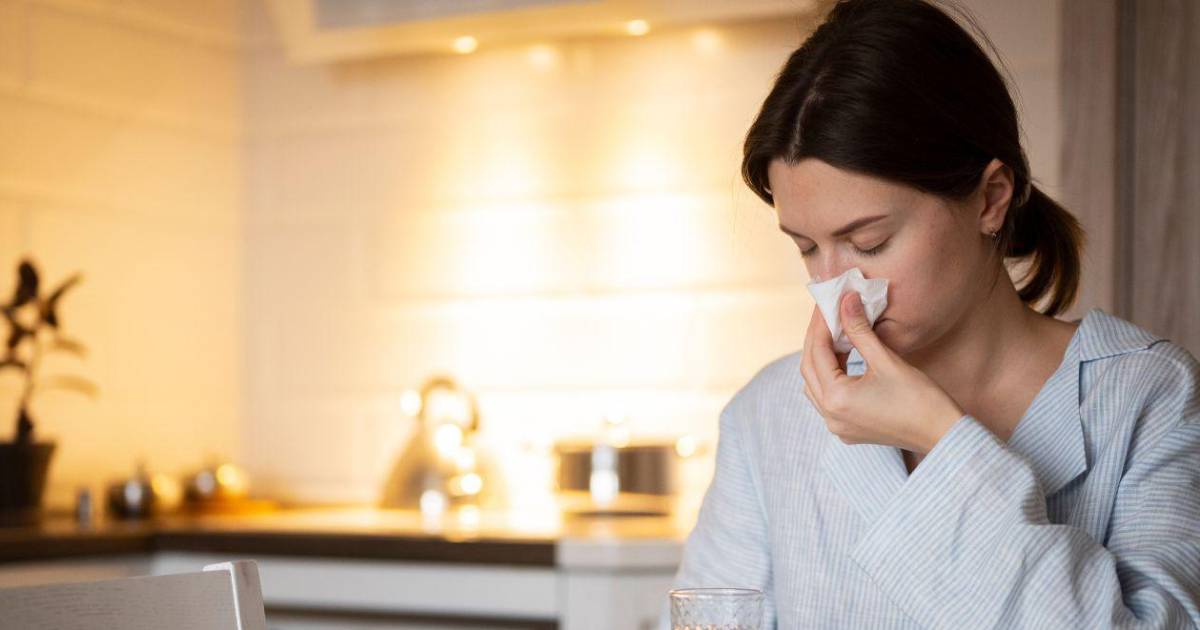
Why Do Allergies Worsen at Night? Understanding Nocturnal Allergy Symptoms
Millions worldwide experience the frustrating reality of nighttime allergies, characterized by symptoms like congestion, coughing, and a persistent itchy throat that disrupt sleep and diminish overall well-being. While allergies can strike at any time, they often intensify after sunset. This isn’t simply a matter of coincidence; it’s a complex interplay of environmental factors and physiological responses. The accumulation of allergens throughout the day, combined with our natural bodily rhythms, can create a perfect storm for nocturnal allergy flare-ups. Understanding the root causes of these nighttime symptoms is the first step toward reclaiming restful sleep and improving quality of life.
The reasons behind worsening allergy symptoms at night are multifaceted. As the day progresses, we are continually exposed to allergens – pollen, dust mites, pet dander – both indoors and out. These microscopic irritants settle and concentrate in our bedrooms during the day, becoming re-suspended in the air as we prepare for bed. Allergens can be unknowingly carried into the bedroom on clothing or through open windows. This increased exposure, coupled with the body’s natural response, often leads to a noticeable increase in allergy symptoms as evening approaches.
Identifying the specific triggers for your nighttime allergies is crucial for effective management. Common culprits include dust mites, microscopic creatures thriving in warm, humid environments like bedding and carpets; house dust, a mixture of indoor and outdoor allergens, including pollen, cleaning product residue, and dead skin cells; pet dander, tiny skin flakes shed by animals; and pollen, which can linger indoors even after the outdoor count has decreased. Addressing these triggers through proactive measures can significantly reduce nighttime discomfort and promote better sleep.
The Science Behind Nighttime Allergy Flare-Ups
The aggravation of allergy symptoms at night isn’t solely about increased allergen exposure. Several physiological factors contribute to this phenomenon. Throughout the day, we remain relatively active, and our bodies are often occupied with other stimuli. Though, as we settle down for the night, our immune systems become more attuned to detecting and responding to allergens. This heightened sensitivity can amplify allergic reactions. When lying down, mucus accumulated in the sinuses can drain down the back of the throat – a process known as postnasal drip – exacerbating symptoms like sore throat, cough, and nasal congestion.
Dr. Sandra Hong, an allergist with Cleveland Clinic, explains this dynamic: “During the day, we’re normally indoors… but when you abandon your office, you come face to face with allergens.” This exposure reactivates the immune system, intensifying the allergic response that manifests at night. The body’s natural circadian rhythms likewise play a role, with cortisol levels – which help suppress inflammation – typically declining in the evening, potentially making individuals more susceptible to allergic reactions.
Common Allergens and Their Nocturnal Impact
Several common allergens are particularly notorious for triggering nighttime symptoms. Dust mites, often found in bedding, carpets, and upholstered furniture, are a leading cause of indoor allergies. These microscopic creatures thrive in warm, humid environments, making bedrooms an ideal habitat. Pet dander, even if pets aren’t allowed in the bedroom, can be carried on clothing or circulate through the air. Pollen, despite being an outdoor allergen, can enter the home through open windows or cling to skin and clothing. Zyrtec highlights these common allergens as key contributors to nighttime discomfort.
The impact of these allergens extends beyond simple discomfort. Postnasal drip, caused by mucus draining from the sinuses into the throat, is a frequent consequence of allergic rhinitis. As Dr. Hong notes, this can lead to a sore throat, persistent cough, sneezing, and nasal obstruction, all of which significantly disrupt sleep. The inflammation associated with allergies can also contribute to difficulty breathing, particularly for individuals with asthma.
Strategies for Minimizing Nighttime Allergy Symptoms
Fortunately, several practical steps can be taken to minimize the impact of allergies on nighttime sleep. Maintaining a clean bedroom environment is paramount. Regularly washing bedding in hot water – at least 130°F (54°C) – helps eliminate dust mites. Using hypoallergenic mattress and pillow covers creates a barrier against allergens. Vacuuming frequently, ideally with a HEPA filter vacuum cleaner, removes dust and pet dander from carpets and floors. Keeping windows closed, especially during peak pollen seasons, prevents outdoor allergens from entering the room.
Personal hygiene practices also play a crucial role. Showering before bed removes allergens accumulated on skin and hair. If washing hair isn’t feasible, covering it before sleep can prevent allergens from transferring to pillows and bedding. Dr. Hong emphasizes that “allergens can remain in your hair or on your pillow and, as you move around at night, get on your face and eyes.” Washing your face before bed removes pollen and other irritants, reducing the likelihood of eye irritation and other symptoms. Saline nasal rinses can help clear nasal passages and reduce postnasal drip. Elevating your head with an extra pillow can also help prevent mucus from accumulating in the throat.
Consider using an air purifier with a HEPA filter to remove airborne allergens from the bedroom. Maintaining a comfortable humidity level – between 30% and 50% – can also help discourage dust mite growth. If pets are allowed in the house, keeping them out of the bedroom is advisable. Finally, if symptoms persist despite these measures, consulting an allergist or healthcare professional is recommended. They can perform allergy testing to identify specific triggers and recommend personalized treatment options, such as antihistamines, nasal corticosteroids, or immunotherapy.
Key Takeaways
- Allergen Exposure: Nighttime allergy symptoms are often exacerbated by accumulated allergen exposure throughout the day.
- Physiological Factors: The body’s natural rhythms and increased immune system sensitivity contribute to nighttime flare-ups.
- Environmental Control: Maintaining a clean bedroom, using hypoallergenic bedding, and controlling humidity are crucial preventative measures.
- Professional Consultation: If symptoms persist, seeking guidance from an allergist can lead to a personalized treatment plan.
Managing nighttime allergies requires a proactive and multifaceted approach. By understanding the underlying causes and implementing effective strategies to minimize allergen exposure and support the body’s natural defenses, individuals can significantly improve their sleep quality and overall well-being. If your symptoms continue to interfere with your daily life, scheduling an appointment with a qualified healthcare provider is the next important step toward finding lasting relief.
As research continues to unravel the complexities of allergic diseases, staying informed about the latest advancements in diagnosis and treatment is essential. The American Academy of Allergy, Asthma & Immunology (AAAAI) provides valuable resources and information for patients and healthcare professionals alike.
Worth a look