Life Under Bombardment: Iranian Residents Describe Days of US and Israeli Strikes
The daily lives of Iranian citizens are being profoundly disrupted by ongoing aerial attacks from the United States and Israel, which began on February 28th. Reports emerging from within the country paint a picture of widespread fear, power outages, and a growing sense of uncertainty as strikes target both military and political sites. While the US government asserts its military campaign is a “resounding success” and progressing ahead of schedule, residents on the ground describe a reality marked by constant explosions and a struggle for normalcy. The situation is further complicated by internet restrictions and limited access for international journalists, making independent verification of events challenging.
The escalating conflict has prompted a wave of concern for civilian safety. Iranian officials claim that over 160 people, including children, were killed in a strike on a girls’ school in Minab on Saturday, March 9th. The White House has stated it is investigating the incident but maintains it does not intentionally target civilians. However, the US-based Human Rights Activists News Agency (HRNA) reports a significantly higher toll, estimating that more than 1,100 Iranian civilians have been killed since hostilities began. These figures, while tricky to independently confirm, underscore the devastating human cost of the conflict.
Tehran Under Pressure: Residents Share Experiences
The Iranian capital, Tehran, is at the epicenter of the attacks. Residents are describing a city living under constant threat. One individual living in Tehran told BBC Persian that the current situation surpasses the intensity of last year’s conflict with Israel. “Each day has felt like a month,” said Salar, whose name has been changed for security reasons. “The volume of attacks is so high.” He recounted a recent air strike that shook his entire house, forcing him to leave windows open to prevent shattering glass. The BBC reported on March 10th that residents in Tehran and Karaj are “exhausted and struggling to sleep” after ten days of attacks, with explosions occurring “every few hours.”
The disruption extends beyond physical damage. Power outages are becoming increasingly common, plunging neighborhoods into darkness. A man in his 30s from Tehran described experiencing a complete blackout the previous night, while others reported fluctuating power supplies. Another resident, in his 20s, expressed a sense of growing dread, stating, “where missiles hit is getting closer and closer every day.” These accounts highlight the pervasive anxiety gripping the population.
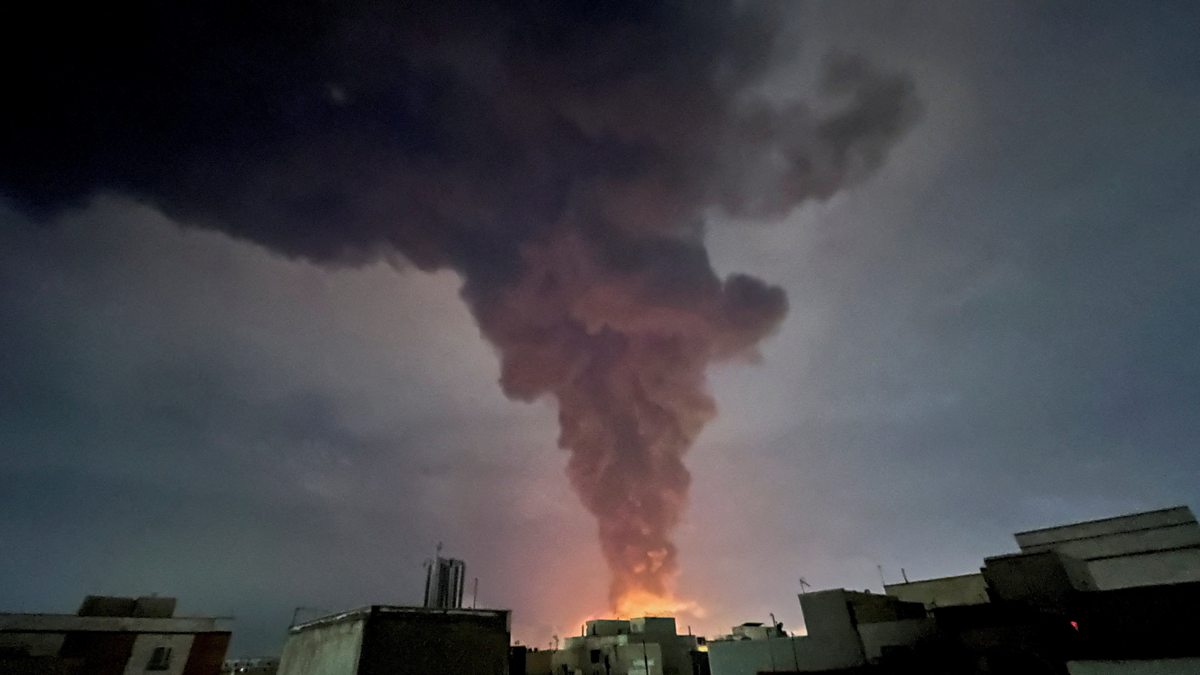
Smoke plumes billowed following strikes near Azadi Tower in western Tehran on Monday night pic.twitter.com/q9q9q9q9q9
— BBC News (World) (@BBCWorld) March 11, 2026
Shipping Concerns and Regional Impact
The conflict is similarly having ripple effects beyond Iran’s borders. One of the world’s largest shipping companies has reportedly expressed unwillingness to risk its employees and vessels by transiting the Strait of Hormuz, a critical waterway for global oil supplies. This decision, while not publicly attributed to a specific company, signals a growing concern about the safety of maritime traffic in the region. The Strait of Hormuz is a chokepoint for approximately 20% of the world’s oil supply, according to the U.S. Energy Information Administration. https://www.eia.gov/international/analysis/briefings/hormuz
Broader Regional Developments
Amidst the escalating tensions in Iran, there are also developments elsewhere in the region. Reports indicate that passenger trains are set to resume service between China and North Korea. This move suggests a potential easing of restrictions and a renewed focus on economic cooperation between the two countries. The resumption of rail service follows a period of limited travel and trade due to the COVID-19 pandemic and geopolitical considerations.
The Rise of AI-Generated Content and its Implications
The BBC’s reporting also touches upon a seemingly unrelated, yet increasingly relevant, topic: the distinction between books written by humans and those generated by artificial intelligence. This discussion reflects a growing debate about the authenticity and value of creative works in the age of AI. As AI technology continues to advance, questions about authorship, originality, and the future of human creativity are becoming increasingly prominent.
Initial Strike and Reported Leadership Target
The initial wave of strikes, launched on February 28th, reportedly killed Iran’s Supreme Leader Ayatollah Ali Khamenei. While this claim has been widely circulated, independent verification remains challenging due to limited access to information within Iran. The attacks have continued relentlessly in the days following, indicating a sustained effort to weaken the Islamic regime. The Iranian government has accused its adversaries of deliberately targeting civilians, a charge that the US denies.
The ongoing conflict is taking place against a backdrop of heightened geopolitical tensions in the Middle East. The US and Israel have long viewed Iran’s nuclear program and regional influence with concern. The recent strikes represent a significant escalation in the ongoing confrontation, raising fears of a wider regional conflict. The situation is further complicated by the involvement of various proxy groups and the potential for miscalculation.
Challenges to Reporting and Information Access
International news organizations face significant obstacles in reporting from Iran. Visas are often denied, severely limiting the ability to gather firsthand information. The Iranian government routinely jams and blocks internet access, hindering communication and restricting the flow of information. These restrictions make it difficult to assess the full extent of the damage and the impact on the civilian population. BBC Persian, despite being blocked and jammed by Iranian authorities, continues to provide crucial coverage of the events unfolding within the country, reaching an audience of approximately 24 million people worldwide.
The current situation in Iran is fluid and unpredictable. The coming days and weeks will be critical in determining the trajectory of the conflict and its long-term consequences. Continued monitoring of the situation, coupled with a commitment to accurate and unbiased reporting, is essential to understanding the complexities of this evolving crisis.
Key Takeaways:
- Iranian residents are experiencing daily bombardment and widespread disruption to their lives.
- The US claims its military campaign is “resounding success,” while Iran accuses its enemies of targeting civilians.
- Shipping companies are expressing concerns about the safety of transiting the Strait of Hormuz.
- International reporting from Iran is severely restricted, making independent verification challenging.
The situation remains highly volatile. Further updates will be provided as they become available. We encourage readers to share their thoughts and perspectives in the comments section below.
Keep reading