Soaring Gas Prices Hit California Drivers Amidst Middle East Tensions
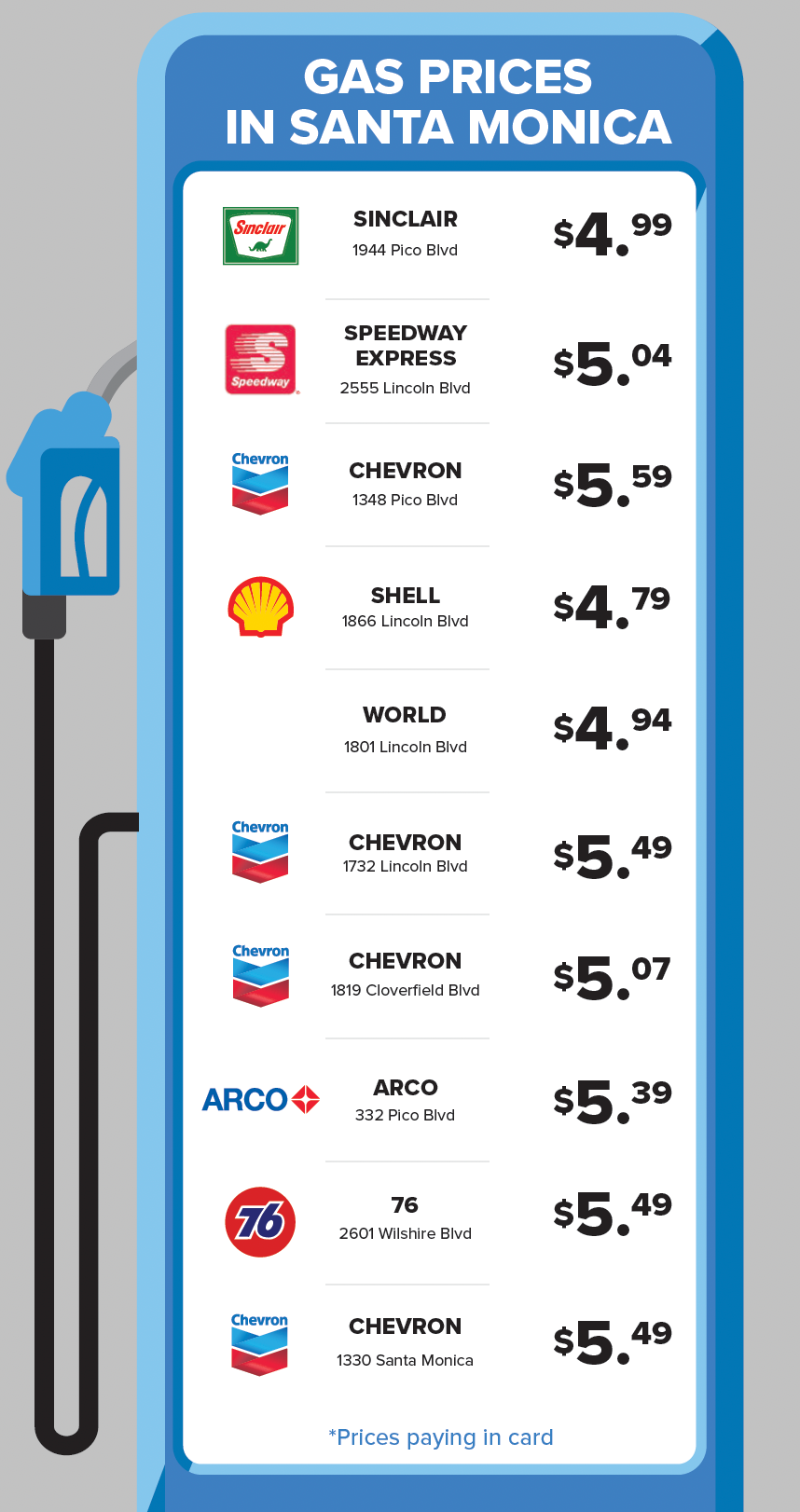
Los Angeles drivers are facing a significant financial squeeze as gasoline prices surge, climbing over 53 cents per gallon in just one week. The escalating conflict in the Middle East is a primary driver of this rapid increase, injecting volatility into global energy markets and impacting consumers at the pump. The average price for a gallon of regular gasoline in Los Angeles reached $5.18 on Monday, a substantial jump from the previous week and leaving many motorists scrambling to adjust their budgets.
The price hike isn’t limited to Los Angeles; it’s a regional trend affecting Southern California, and beyond. Neighboring counties, including Riverside, Ventura, and Orange, are experiencing similar increases, with prices now exceeding $5.08 per gallon in some areas. Nationally, the average price has too risen, but the impact is particularly acute in California, a state already known for its higher fuel costs. This surge in prices is raising concerns about broader economic implications, from increased transportation costs for businesses to potential inflationary pressures.
The current crisis stems from heightened geopolitical instability, specifically escalating tensions in the Middle East. Recent U.S. And Israeli actions in Iran, coupled with concerns about potential disruptions to crucial shipping lanes like the Strait of Hormuz, have sent shockwaves through the oil market. Roughly a fifth of the world’s crude oil and liquified natural gas transit through the Strait of Hormuz, making it a critical artery for global energy supply. Any disruption to this waterway could have far-reaching consequences for energy prices worldwide. Crude oil prices have surpassed $110 per barrel, levels not seen since 2022, reflecting the increased risk and uncertainty in the market. Reuters reported on the impact of recent events on oil prices.
California’s Unique Vulnerabilities
California’s gasoline market is particularly susceptible to price shocks due to a combination of factors. The state has experienced refinery shutdowns in recent years, reducing its refining capacity and increasing its reliance on gasoline imports, primarily from Asia. The Los Angeles Times detailed California’s refinery issues and their impact on gas prices. This dependence on foreign supply chains makes the state vulnerable to disruptions caused by geopolitical events or logistical challenges. The state’s stringent environmental regulations, while aimed at reducing pollution, also contribute to higher production costs, further exacerbating the price differential compared to other states.
The disparity in prices within California itself is also noteworthy. While the statewide average is high, prices vary significantly depending on location, with some stations charging as much as $7.09 per gallon while others offer fuel for as little as $3.71. This wide range highlights the complexities of the California gasoline market and the influence of local factors, such as competition and transportation costs.
Impact on Diesel and the Broader Economy
The surge in gasoline prices is not an isolated phenomenon. Diesel fuel prices are also experiencing a significant increase, rising 85.9 cents per gallon in the past week to reach $4.599. This has significant implications for the transportation of goods, as diesel powers the vast majority of trucks and ships that move products across the country. According to Patrick Penfield, a professor of supply chain practice at Syracuse University, fuel accounts for 50% to 60% of total operating costs for shipping goods by sea. Higher diesel prices are likely to translate into increased costs for consumers, as businesses pass on these expenses in the form of higher prices for goods and services.
Economists are warning that the rising cost of fuel could contribute to broader inflationary pressures. JPMorgan economists estimate that U.S. Inflation could climb from 2.4% in January to 3% or higher in the coming months if oil prices remain elevated. Gregory Daco, chief economist at EY-Parthenon, cautioned that “the longer this lasts, the more significant the shock would be.” The impact extends beyond transportation, as higher energy costs also affect the production and distribution of food, plastics, and other essential goods. Europe is already feeling the effects, with benchmark natural gas prices surging 75% since the beginning of the conflict.
Strategies for Consumers
Faced with rising fuel costs, consumers are seeking ways to mitigate the financial impact. Several strategies can help drivers save money at the pump. Utilizing apps like GasBuddy and Upside can help locate the cheapest stations and earn cash back on purchases. GasBuddy’s Pay with GasBuddy program offers savings of up to 25 cents per gallon, while a paid subscription can potentially save up to 40 cents per gallon. Rewards credit cards and gas station loyalty programs can also provide discounts. The Penny Hoarder offers a comprehensive guide to saving on gas.
Beyond apps and rewards programs, driving habits can also produce a difference. Maintaining proper tire inflation, avoiding aggressive acceleration and braking, and using cruise control on highways can all improve fuel efficiency. Choosing regular-grade fuel, when appropriate for the vehicle, can also save money, as premium octane offers no benefit for vehicles not designed to require it. Planning road trips strategically, mapping out cheaper fuel corridors, and timing fill-ups to take advantage of lower prices on Sundays can also help reduce costs.
Looking Ahead
The situation remains fluid and highly dependent on the evolving geopolitical landscape in the Middle East. Further escalation of the conflict or disruptions to oil supply could lead to even higher prices. The U.S. Energy Information Administration (EIA) is closely monitoring the situation and will release its next Short-Term Energy Outlook on April 9th, providing updated forecasts for oil prices and gasoline supply. The EIA website provides detailed data and analysis on energy markets.
The impact of these price increases will continue to be felt across the economy, affecting businesses, consumers, and the overall inflationary outlook. Monitoring developments in the Middle East and staying informed about energy market trends will be crucial in navigating this challenging environment. The coming weeks will be critical in determining whether the current surge in gasoline prices is a temporary spike or the beginning of a more prolonged period of higher energy costs.
Key Takeaways:
- Gasoline prices in Los Angeles have surged over 53 cents per gallon in the past week, reaching an average of $5.18.
- The primary driver of this increase is escalating tensions in the Middle East and concerns about disruptions to oil supply.
- California’s unique vulnerabilities, including refinery shutdowns and stringent regulations, contribute to higher fuel costs.
- Consumers can mitigate the impact by utilizing fuel-saving apps, adjusting driving habits, and planning strategically.
Stay informed about the latest developments in the energy market and share your thoughts on how these price increases are affecting you in the comments below.
Keep reading
- Westfalia Rhynern vs. Dynamo Dresden: DFB Pokal 2026/27 TV, Stream & Date
- Medicare Part D Premiums May Rise in 2027 as Federal Subsidies End
- Dow Jones Plunges 555 Points as Middle East Tensions Spike Oil Prices (archyworldys.com)
- Gold Prices React to Fed Rate Decision and Market Volatility (newsdirectory3.com)