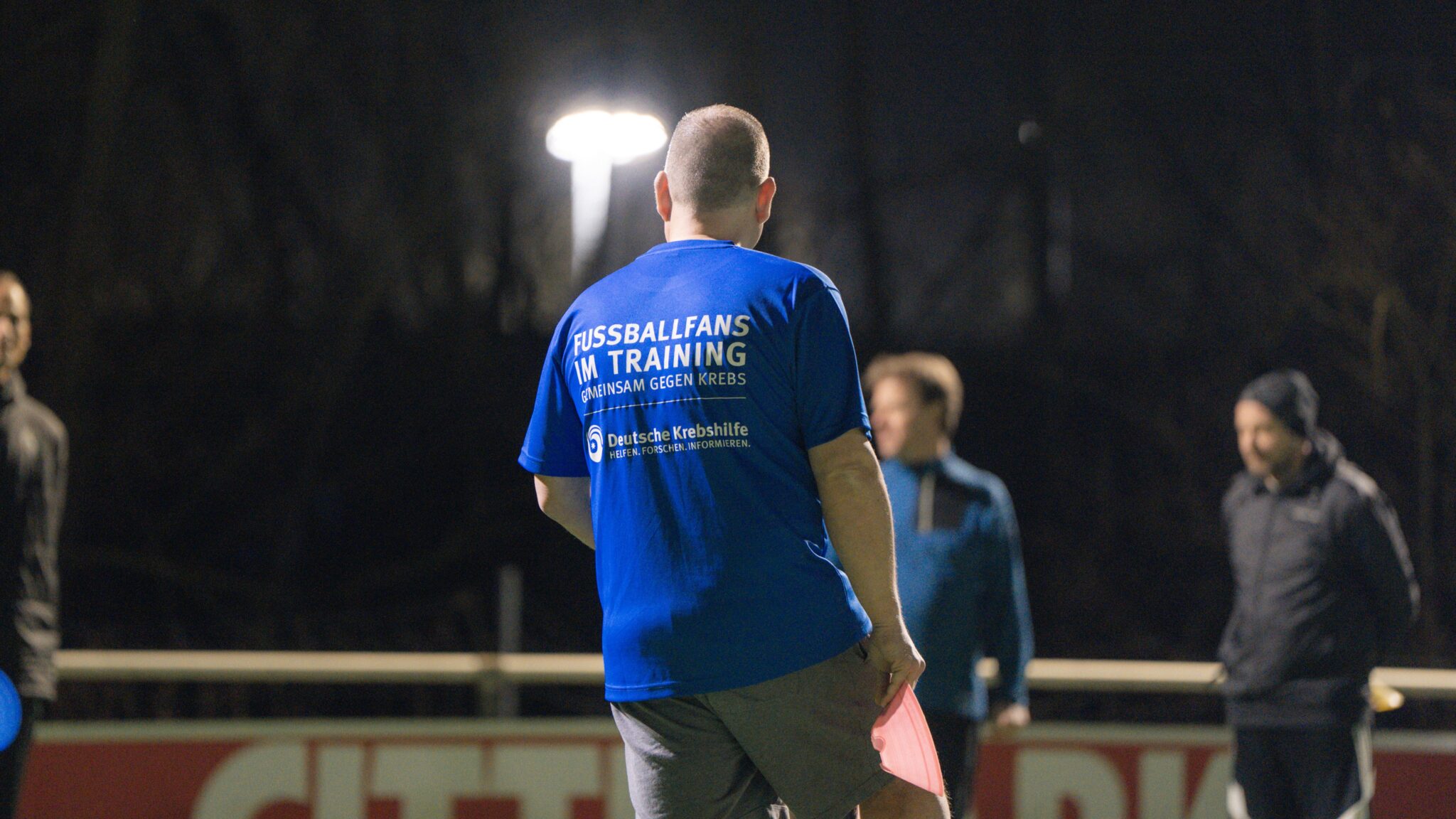
The beautiful game isn’t just about athleticism and skill on the pitch; it’s increasingly recognized as a powerful tool for promoting public health. Across Germany, and indeed throughout Europe, football clubs are partnering with health organizations to tackle rising rates of obesity and related illnesses. One such initiative, “Fußballfans im Training” (FFIT), or “Football Fans in Training,” is making a tangible difference in the lives of fans, leveraging the passion for the sport to encourage healthier lifestyles. Holstein Kiel, a club currently competing in the German 2. Bundesliga, has been an active participant in the FFIT program since 2017, offering a free, 12-week course designed to help overweight fans improve their fitness and well-being.
Recently, the program received a boost of motivation when Holstein Kiel’s athletic trainer, Timm Sörensen, and professional player, Marcus Müller, paid a visit to a current FFIT group during their training session at the club’s Projensdorf grounds. This isn’t merely a symbolic gesture; it’s a core component of the FFIT philosophy – direct engagement with professional athletes to inspire and educate participants. The program’s success hinges on creating a supportive and enjoyable environment where participants can learn about nutrition, exercise, and the benefits of a healthier lifestyle. Holstein Kiel currently sits 17th in the 2. Bundesliga standings, with a record of 6 wins, 7 draws, and 12 losses as of March 12, 2026, according to ESPN.
A Holistic Approach to Fan Wellness
FFIT isn’t simply about losing weight; it’s about fostering long-term behavioral changes. The program combines 90-minute sessions that incorporate both theoretical learning and practical exercise. Participants delve into topics like reading food labels, understanding calorie content, and discovering accessible exercises they can incorporate into their daily routines. This emphasis on practical knowledge empowers individuals to make informed choices and sustain healthy habits beyond the program’s duration. The program’s structure, with its blend of education and physical activity, reflects a growing understanding of the complex interplay between diet, exercise, and overall health.
The practical sessions, often incorporating football drills, are designed to be fun and engaging. Under the guidance of trainers like Timm Sörensen, participants practice various mobility, strength, and fitness exercises, all although keeping a ball at their feet. This playful approach helps to overcome barriers to exercise and makes the experience more enjoyable. The program’s emphasis on enjoyment is crucial, as research consistently demonstrates that individuals are more likely to adhere to exercise regimens they identify pleasurable.
Beyond Weight Loss: Addressing Serious Health Risks
While weight loss and improved fitness are immediate benefits, the FFIT program aims for a more profound impact: reducing the risk of chronic diseases, including cancer. Obesity is a well-established risk factor for several types of cancer, including colorectal, breast, and endometrial cancer. By promoting weight management and increased physical activity, FFIT seeks to mitigate these risks and improve the long-term health outcomes of its participants. According to the World Health Organization, maintaining a healthy weight and engaging in regular physical activity are among the most important steps individuals can capture to reduce their cancer risk.
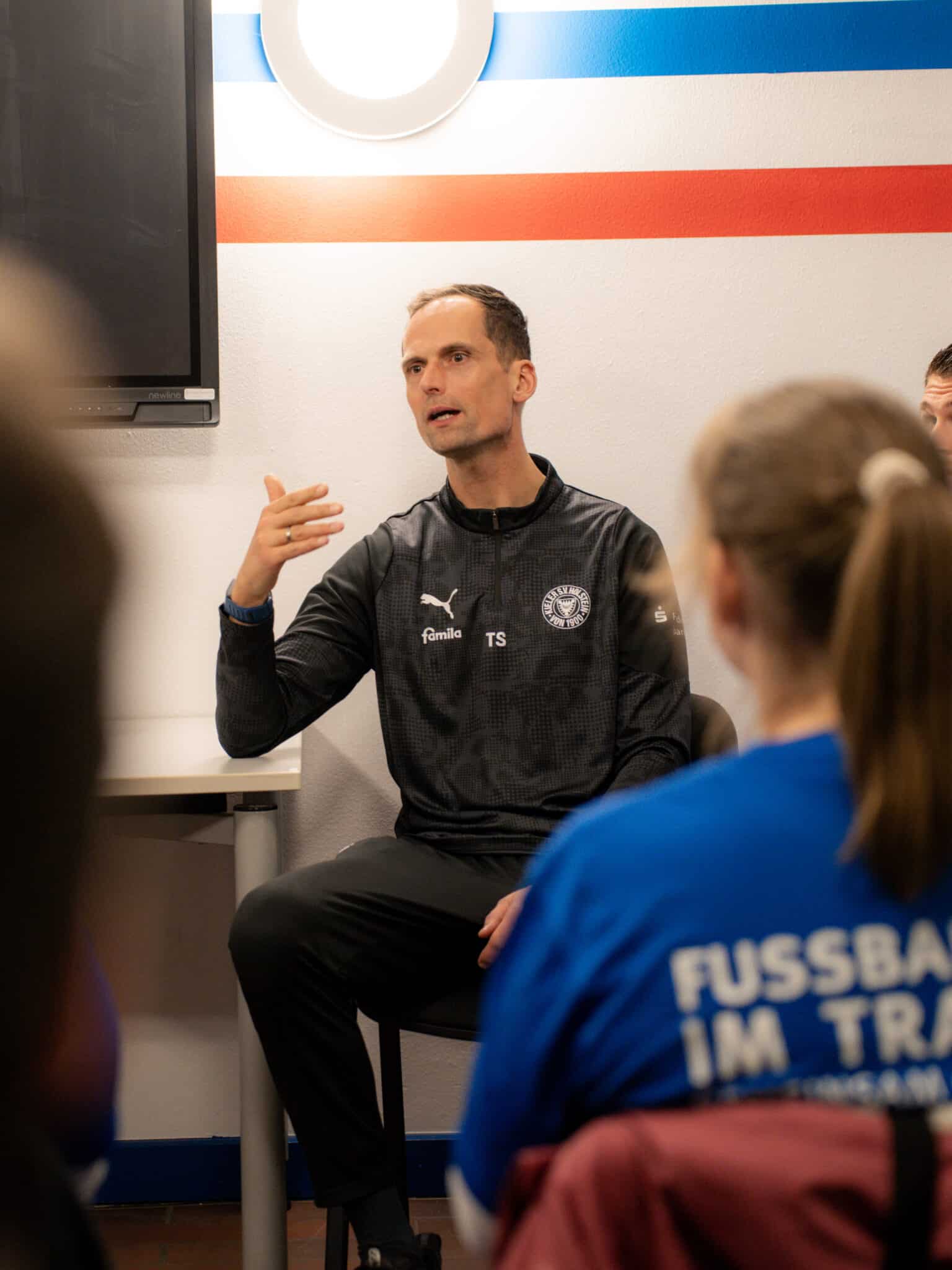
The program’s effectiveness is evident in the collective results achieved by participants. As of the ninth session of the current course, participants have collectively lost approximately 90 kilograms (nearly 200 pounds). This demonstrates the program’s ability to deliver tangible results and motivate individuals to continue their health journey. The success of FFIT at Holstein Kiel mirrors the positive outcomes observed at other clubs participating in the initiative across the Bundesliga and 2. Bundesliga.
Building Community and Giving Back
The benefits of FFIT extend beyond individual health improvements. The program fosters a strong sense of community among participants, many of whom continue to stay connected after completing the course by forming their own FFIT team. This team actively participates in official tournaments representing Holstein Kiel, providing a continued outlet for physical activity and social interaction. The next nationwide tournament is scheduled for October 2026 at the DFB-Campus in Frankfurt, offering a platform for FFIT teams from across Germany to compete and connect.
the FFIT team at Holstein Kiel demonstrates a commitment to social responsibility by organizing fundraising tournaments to support the Ambulanten Kinder- und Jugendhospizdienst RaBe (Rat und Begleitung für Familien) – a pediatric and adolescent hospice service based in Kiel. This charitable initiative underscores the program’s broader impact, extending beyond individual health to benefit the wider community. The hospiz-initiative kiel e.v. Provides crucial support to families facing the challenges of serious illness in children and adolescents.
The Wider FFIT Initiative and its Impact
The FFIT program, originally developed in Scotland, has gained traction across Europe as a cost-effective and engaging way to address public health challenges. The program’s success lies in its ability to tap into the existing passion for football and leverage the influence of professional clubs and players to promote healthy lifestyles. Research has shown that FFIT participants experience significant improvements in weight, waist circumference, blood pressure, and cholesterol levels. The program’s effectiveness has led to its adoption by numerous clubs in the English Premier League, Scottish Premiership, and other European leagues.
Holstein Kiel’s commitment to FFIT reflects a growing trend among football clubs to recognize their role as community health advocates. By providing accessible and supportive programs like FFIT, clubs can contribute to the well-being of their fans and the broader population. This proactive approach to public health not only benefits individuals but also strengthens the club’s connection with its community and enhances its reputation as a socially responsible organization.
The program’s continued success relies on the dedication of trainers like Florian Meyer, who himself is a former FFIT participant, and the willingness of professional players like Marcus Müller to engage with and inspire participants. Their involvement underscores the importance of role models in promoting healthy behaviors and demonstrates the power of football to unite communities in pursuit of a common goal: improved health and well-being.
Looking ahead, Holstein Kiel will continue to offer FFIT courses, providing a valuable resource for fans seeking to improve their health and embrace a more active lifestyle. The next course is expected to begin in the fall of 2026, offering another opportunity for fans to benefit from this impactful program. For those interested in learning more about FFIT or participating in future courses, information can be found on the Holstein Kiel website.
The ongoing commitment to initiatives like FFIT demonstrates that football’s influence extends far beyond the pitch, offering a powerful platform for promoting public health and building stronger, healthier communities. Stay tuned for updates on the FFIT program and Holstein Kiel’s continued efforts to support the well-being of its fans.
Related reading
- How a Routine Dentist Visit Saved Thiago’s Life: A Story of Early Tumor Detection
- J.D. Power 2026 Pharmacy Study: Mail-Order Surpasses Brick-and-Mortar Satisfaction
- Support the New Johnson Pool: Cheyenne Voters Guide for Aug. 18 (news-usa.today)
- Andy Burnham sees modest polling bounce but inherits record-low support (time.news)