Sofia, Bulgaria – Spain’s government is preparing a new package of fiscal measures aimed at mitigating the impact of rising energy prices, a consequence of escalating tensions in the Middle East and disruptions to global oil supplies. The move comes as the conflict intensifies around the Strait of Hormuz, a critical waterway for energy exports, and follows a period of increased volatility in international markets. Even as officials express confidence that Spain is better positioned to weather this storm than during the 2022 energy crisis, concerns remain about the potential impact on households and key sectors of the economy.
The situation is particularly sensitive given the recent intensification of attacks in the Strait of Hormuz. On Wednesday, March 11, 2026, the Iranian Navy confirmed targeting at least two of three ships struck by projectiles in the passage, according to reports from ABC News. Simultaneously, the U.S. Military reported destroying 16 Iranian minelayers in the area. These events have fueled fears of a wider conflict that could severely disrupt the flow of oil and gas, driving up prices worldwide. The U.S.-Israeli war on Iran has already threatened Gulf ports and disrupted global trade, with roughly a fifth of the world’s oil and liquefied natural gas normally passing through the Strait of Hormuz, as reported by Reuters.
Responding to Rising Costs
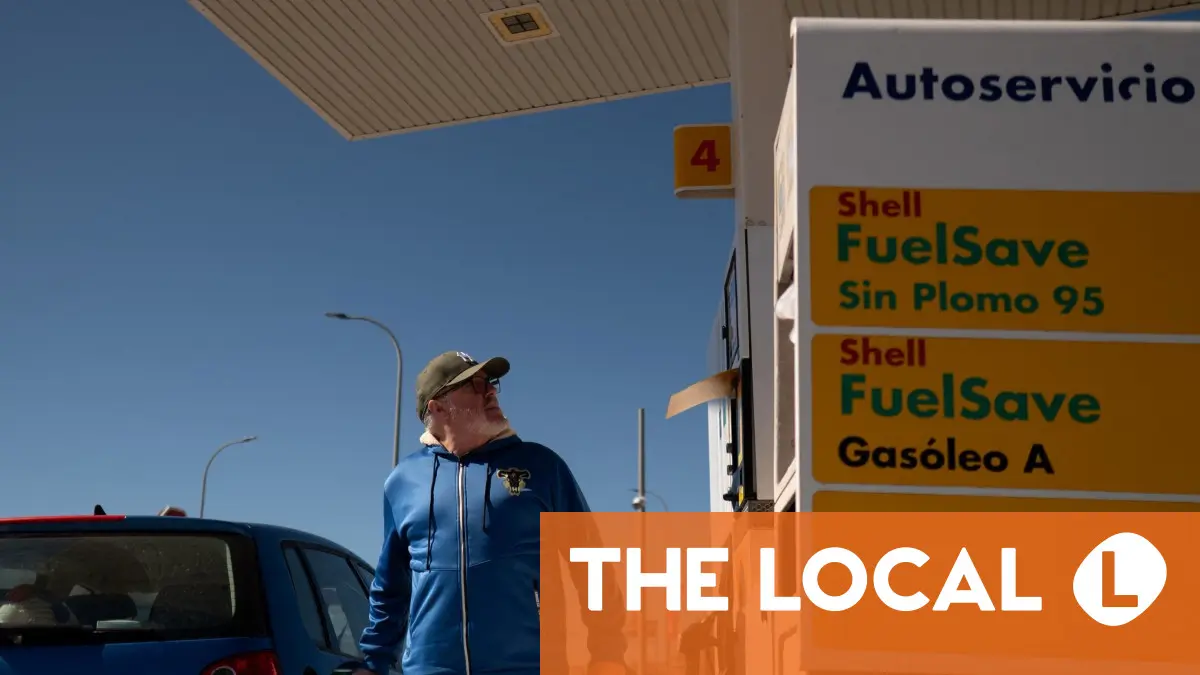
Spanish Economy Minister Carlos Cuerpo announced on Thursday that the government’s response would primarily involve fiscal measures, drawing lessons from the strategies employed during the 2022 energy crisis triggered by Russia’s invasion of Ukraine. “There is broad consensus regarding the positive effect on price containment and inflation they had. These will be the tools we will work with,” Cuerpo stated during a press conference following discussions with union and business representatives. The specifics of the plan are expected to be finalized in the coming days, with a focus on providing targeted aid to sectors particularly vulnerable to rising diesel prices, including agriculture and road transport. Diesel prices in Spain have already increased by more than 20 percent since the start of the current conflict, according to reports.
The Spanish government’s approach reflects a broader European concern over energy security. The European Union has been actively seeking to diversify its energy sources and reduce its reliance on Russian gas since 2022. Spain, although, appears to be in a relatively strong position, with renewable energy sources accounting for approximately 55 percent of its energy mix. The country primarily imports crude oil from the Americas and Africa, further diversifying its supply chain. This diversification, coupled with a robust economy that has outperformed many of its European peers in recent years – driven by domestic consumption, tourism, and exports – provides a degree of resilience against external shocks.
The Strait of Hormuz and Global Energy Markets
The Strait of Hormuz, a narrow waterway separating Iran and Oman, is one of the world’s most strategically important chokepoints for oil and gas. Approximately 20-21 million barrels of oil and condensate pass through the strait each day, representing roughly 20-21% of global oil consumption, according to the U.S. Energy Information Administration (EIA). EIA data highlights the strait’s critical role in supplying energy to major economies in Asia, Europe, and North America. Any significant disruption to traffic through the strait could have far-reaching consequences for global energy markets and economic stability.
The recent attacks have already led to a surge in oil prices, exceeding $100 a barrel, as reported by Reuters. This increase is raising concerns about inflationary pressures and the potential for economic slowdowns in countries heavily reliant on imported energy. The situation is particularly challenging for developing nations, where rising energy costs can exacerbate poverty and food insecurity. The attacks on vessels like the Thai bulk carrier ‘Mayuree Naree’ and the container ship Express Room, as detailed by the Associated Press, underscore the escalating risks to maritime traffic in the region.
Spain’s Economic Context and Resilience
Spain’s economic performance in recent years has been relatively strong, positioning it to better absorb the impact of rising energy prices. As the European Union’s fourth-largest economy, Spain has experienced growth rates exceeding those of many of its peers, fueled by a resurgence in tourism and robust domestic demand. In 2025, Spain’s GDP grew by 2.5%, according to data from the Spanish National Statistics Institute (INE). This growth, however, is not immune to external shocks, and the government recognizes the necessitate to protect vulnerable households and businesses from the effects of higher energy costs.
The government’s focus on fiscal measures echoes its response to the 2022 energy crisis, when a series of measures were implemented to cap energy prices and provide financial assistance to consumers. These measures, while costly, were credited with mitigating the worst effects of the crisis and preventing a more severe economic downturn. The success of these earlier interventions provides a template for the current response, although officials acknowledge that the situation is evolving and requires a flexible approach. The priority, according to Minister Cuerpo, is to finalize the new package of measures “as soon as possible” to provide clarity and support to businesses and consumers.
The situation in the Strait of Hormuz remains highly volatile. At least three ships were reportedly hit on Wednesday, March 11, 2026, in and around the vital oil route, according to a British maritime monitoring group, as reported by The New York Times. Iran’s Islamic Revolutionary Guard Corps (IRGC) has claimed responsibility for some of the attacks, stating that the vessels were ignoring warnings from the Iranian Navy. The IRGC has demanded that all vessels obtain permission from Iran to transit the strait, a move that has been condemned by the United States and other international powers.
Looking ahead, the Spanish government will continue to monitor the situation in the Middle East closely and adjust its policies as needed. The effectiveness of the new fiscal measures will depend on a number of factors, including the duration and intensity of the conflict, the evolution of global oil prices, and the broader economic outlook. The government is also committed to accelerating the transition to renewable energy sources, which will reduce Spain’s long-term dependence on fossil fuels and enhance its energy security. The next key development to watch will be the formal announcement of the fiscal measures, expected within the coming days, and the subsequent debate and approval process in the Spanish Parliament.
The ongoing instability in the Strait of Hormuz underscores the interconnectedness of the global economy and the vulnerability of energy supplies to geopolitical risks. Spain, while relatively well-positioned to weather the current storm, is not immune to the potential consequences of a prolonged conflict. The government’s proactive approach, coupled with its commitment to renewable energy, offers a degree of reassurance, but the situation remains fluid and requires careful monitoring.
What are your thoughts on Spain’s response to the rising energy prices? Share your comments below and let us know how you sense this situation will unfold. Don’t forget to share this article with your network to keep others informed.
Keep reading