The Importance of Detail in Healthcare Technology Adoption
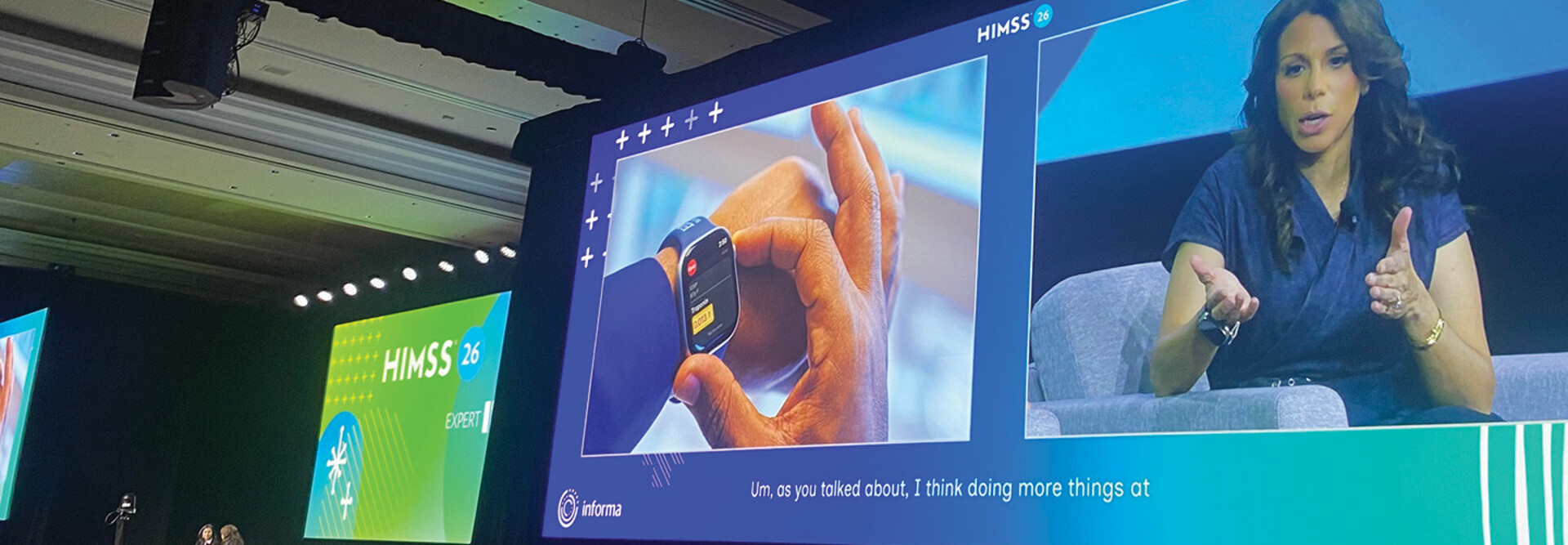
Orlando, FL – The relentless pace of technological innovation continues to reshape healthcare, but simply introducing new tools isn’t enough. A central theme emerging from HIMSS26 this week is the critical require for healthcare systems to move beyond the allure of “cool technology” and focus on the granular details of implementation to truly solve problems and improve patient care. This message was powerfully delivered by Dr. Sumbul Ahmad Desai, Apple’s vice president for health and fitness, during a keynote conversation with Dr. Ami Bhatt, chief innovation officer at the American College of Cardiology. The discussion underscored that successful technology integration requires deep collaboration between operations, clinical teams, and a clear understanding of how new tools fit into existing workflows.
Dr. Desai emphasized a fundamental principle: technology must address a specific need, not the other way around. “You should never leverage technology for technology’s sake. It has to solve a problem,” she stated. She cautioned against the common tendency to seek applications for technology simply because it exists, noting that many promising innovations fail to translate effectively from the consumer space to the complexities of healthcare. This sentiment highlights a growing recognition within the industry that technology adoption isn’t merely about acquiring the latest gadgets, but about strategically aligning those tools with operational realities and clinical pathways. The focus on detail, she argues, is crucial for creating genuinely new and improved experiences for both patients and providers.
The need for meticulous planning and execution is particularly relevant as artificial intelligence (AI) becomes increasingly integrated into healthcare. While AI offers immense potential for improving diagnostics, treatment planning, and operational efficiency, its successful implementation hinges on careful consideration of data quality, algorithmic bias, and clinical validation. As highlighted in a recent report from HealthTech Magazine, strengthening an organization’s “muscle” of AI strategy requires a strong foundation of clinical insight. This article details how to effectively integrate AI into clinical workflows.
From Caregiver to Innovator: Dr. Desai’s Journey
Dr. Desai’s perspective is informed by a unique blend of medical experience and technological expertise. Her journey began in journalism, but a pivotal moment came in 2001 when her mother suffered a stroke. This personal experience ignited a passion for medicine and the multidisciplinary nature of patient care. She described the ideal healthcare environment as “like an orchestra coming together,” where seamless collaboration between different specialties leads to optimal outcomes.
This experience led her to pursue medical training at Stanford University, coinciding with the early stages of the institution’s Epic electronic health record (EHR) deployment. It was during this time that she developed a keen interest in the challenges and opportunities of technological implementation within a complex healthcare system. “I’m always someone who likes to understand how things operate, building things, and I got to see that from the ground up,” she explained. This foundational understanding has been instrumental in her work at Apple, where she has overseen the development of health-focused wearables and applications.
Dr. Desai joined Apple in 2017, according to a CNBC report, and has since played a key role in transforming Apple’s wearable technology into clinically relevant tools. A landmark achievement was the 2018 release of the electrocardiogram (ECG) app for the Apple Watch Series 4, designed to detect irregularities in heart rhythm, specifically atrial fibrillation. Apple’s newsroom detailed the launch and its potential impact on cardiovascular health.
Empowering Patients and Providers Through Seamless Integration
Apple’s approach, as articulated by Dr. Desai, extends beyond simply providing patients with data. The company aims to foster a stronger relationship between patients and their healthcare providers. “We don’t want to just empower you. We want to empower you to have a better relationship with your healthcare provider,” she said. A key component of this strategy is the development of physician reports generated by Apple’s health features. These reports are specifically designed for clinicians, created with their input, and intended to facilitate informed discussions and collaborative decision-making.
This emphasis on physician involvement reflects a broader trend in healthcare technology: the recognition that technology is most effective when it complements, rather than replaces, the expertise of healthcare professionals. The goal is to provide clinicians with actionable insights that enhance their ability to deliver personalized and effective care. This requires not only robust data collection and analysis but also seamless integration with existing clinical workflows.
Looking ahead, Dr. Desai envisions a future where “seamless, actionable insights” are connected throughout the entire care continuum, leading to improved experiences for both patients and providers. This vision necessitates a focus on streamlined workflows and clinically validated technologies. Though, she reiterated that technology is only one piece of the puzzle. “But again, it’s not just about the technology. It really has to be the model that is around the technology.” This underscores the importance of a holistic approach to technology adoption, one that considers the broader organizational context and the needs of all stakeholders.
The Role of Operations in Successful Tech Implementation
A recurring theme throughout Dr. Desai’s presentation was the integral role of operations teams in successful technology implementation. She stressed that operations personnel must be involved in all stages of the process, from initial planning to ongoing maintenance and optimization. Their expertise is essential for ensuring that new technologies are seamlessly integrated into existing business processes and that they contribute to improved efficiency and cost-effectiveness.
This highlights a critical challenge for many healthcare organizations: bridging the gap between clinical innovation and operational realities. Often, clinicians are eager to adopt new technologies, but they may lack the expertise to navigate the complexities of implementation. Similarly, operations teams may be hesitant to embrace new technologies without a clear understanding of their clinical value. Effective communication and collaboration between these groups are essential for overcoming these challenges.
The need for operational involvement extends to the clinical model itself. New technologies must be carefully integrated into clinical pathways to ensure that they support, rather than disrupt, existing workflows. This requires a thorough understanding of how clinicians deliver care and a willingness to adapt processes to maximize the benefits of new tools. As Dr. Desai succinctly put it, “We really need to get into the details.”
The conversation at HIMSS26 serves as a crucial reminder that the true potential of healthcare technology lies not in the technology itself, but in its thoughtful and strategic implementation. By prioritizing collaboration, focusing on operational details, and aligning technology with clinical needs, healthcare organizations can unlock new opportunities to improve patient care and transform the healthcare landscape.
The ongoing evolution of healthcare technology demands continuous learning and adaptation. Organizations that embrace a detail-oriented approach and prioritize collaboration will be best positioned to navigate this dynamic environment and deliver the highest quality care to their patients. The next key event to watch will be the release of further data from Apple regarding the real-world impact of its ECG app and other health features, expected in late 2026.
What are your thoughts on the role of technology in healthcare? Share your insights and experiences in the comments below. Don’t forget to share this article with your colleagues and networks to continue the conversation.
Related reading