
Empowering Women Through Preferential Loans: A Path to Economic Development
Access to capital remains a significant barrier to economic empowerment for women globally. Though, targeted financial programs, particularly those offering preferential loan terms, are proving instrumental in bridging this gap and fostering sustainable economic growth. Recent initiatives in Vietnam, specifically within the Hai Phong province, demonstrate the positive impact of such programs, enabling women to invest in their businesses, improve their livelihoods and contribute to their communities. These programs, often facilitated through partnerships between local Women’s Unions and state-owned banks, are designed to provide accessible credit to women who may not qualify for traditional financing options.
The success of these initiatives hinges on a multi-faceted approach that includes not only providing financial resources but also offering guidance, training, and support to ensure responsible loan management and maximize the impact of investments. This holistic approach is particularly crucial in rural areas where women often face additional challenges, such as limited access to information, education, and market opportunities. By addressing these systemic barriers, preferential loan programs can unlock the economic potential of women and drive inclusive growth.
In early 2026, the total outstanding balance of entrusted loans managed by the Women’s Unions across Vietnam reached 6.521 billion VND, an increase of over 1.057 billion VND compared to 2024, supporting 92,721 households across 2,326 savings and loan groups. This capital, representing 47.7% of all outstanding loans managed by organizations throughout the city, averaged 70.3 million VND per household, with an impressively low default rate of just 0.05%. These figures underscore the effectiveness of the program and the responsible financial management demonstrated by the women borrowers.
Hai Phong Province: A Case Study in Women’s Economic Empowerment
The Hai Phong province in Vietnam serves as a compelling example of how preferential loan programs can transform the economic landscape for women. In the Gia Vien district, the Women’s Union has effectively implemented loan disbursement activities in collaboration with the Bank for Social Policies. As of November 2025, the total outstanding loan balance managed by the district’s Women’s Union through the Bank for Social Policies exceeded 109 billion VND, distributed among 34 savings and loan groups and 1,416 households. In the first two months of 2026 alone, the Union disbursed loans to over 70 members and beneficiaries, with a maximum loan amount of 100 million VND per case.
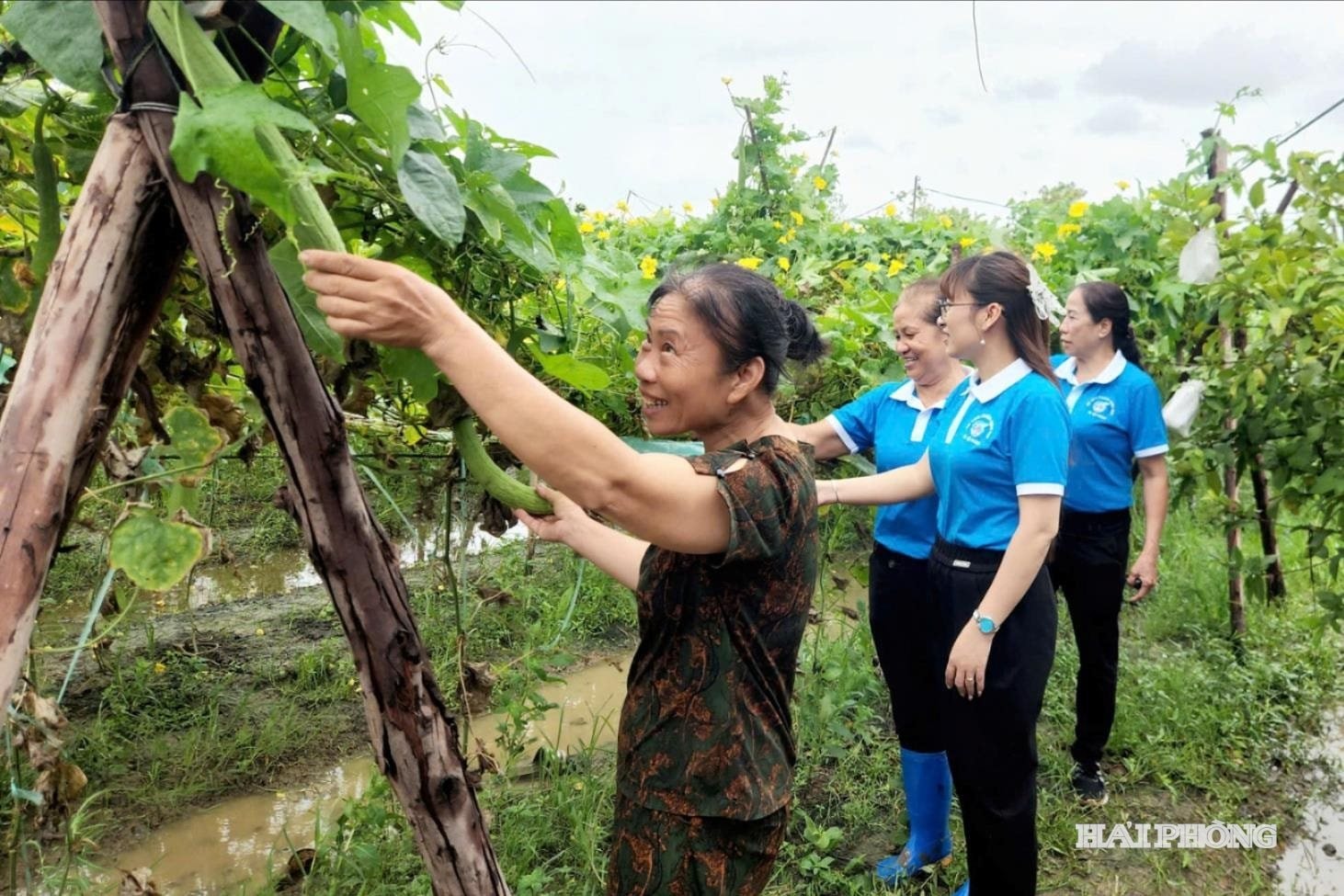
The impact of these loans is tangible. Pham Thi Van, a member of the Women’s Union in the Phuc Loc 1 residential area of Hung Dao district, exemplifies the transformative power of access to credit. Previously considered a poor household facing economic hardship, Ms. Van has received five loans from the Bank for Social Policies, totaling over 214 million VND since 1997, thanks to the guarantee provided by the Hung Dao district Women’s Union. These funds were strategically invested in agricultural machinery, livestock, and her children’s education. Her family has expanded their integrated farming model (VAC) to approximately 11,000 square meters, encompassing orchards, fish ponds, and livestock pens, generating a stable income stream. Ms. Van credits the loan and guidance from the local Women’s Union with enabling her family’s economic stability and her son’s successful completion of his education and subsequent employment.
Challenges and Strategies for Sustainable Growth
Despite the demonstrable success of these programs, challenges remain. Slow loan disbursement to eligible households, often due to incomplete beneficiary lists, and increasing demand for loans to create employment opportunities are ongoing concerns. Administrative changes, such as the merging of administrative boundaries, have also presented difficulties, with over 60% of grassroots association officials being newly appointed and often holding multiple responsibilities, hindering their ability to effectively manage loan programs. The extensive geographical areas, large numbers of savings and loan groups, and the sheer volume of borrowers also place a strain on inspection and supervision efforts.
To address these challenges, Vu Huu Huy, Deputy Director of the Hai Phong City branch of the Bank for Social Policies, emphasizes the need for close coordination between all levels of the Women’s Union and the Bank. This collaboration should focus on advising local authorities to strengthen debt recovery measures, particularly managing overdue debts from savings and loan entities with high debt ratios. It is crucial to review and manage debts of borrowers who have passed away or relocated. Tran Thu Huong, Vice President of the Vietnam Fatherland Front Committee and President of the City Women’s Union, highlights the importance of ongoing training for Women’s Union officials and association members, as well as leveraging digital technology to improve capital management and oversight.
The Role of Microfinance and Women’s Unions
The success of these programs is deeply rooted in the unique role played by Women’s Unions. These organizations act as crucial intermediaries, providing not only loan guarantees but also essential support services, including financial literacy training, business development advice, and market linkages. This holistic approach ensures that women borrowers are equipped with the knowledge and skills necessary to effectively manage their loans and build sustainable businesses. The Women’s Union’s deep understanding of local contexts and strong relationships with community members further enhance the effectiveness of the programs.
Microfinance institutions (MFIs) also play a vital role in expanding access to credit for women, particularly in underserved areas. While the programs facilitated by the Women’s Union often rely on government-backed funding and preferential interest rates, MFIs offer a diverse range of financial products and services tailored to the specific needs of women entrepreneurs. The combination of these approaches – government-supported programs and private sector MFIs – creates a robust ecosystem that empowers women economically.
Looking Ahead: Scaling Impact and Ensuring Sustainability
The Vietnamese experience offers valuable lessons for other countries seeking to empower women through access to finance. Key takeaways include the importance of strong partnerships between government, financial institutions, and civil society organizations; the need for tailored financial products and services that address the specific needs of women entrepreneurs; and the critical role of capacity building and support services. Leveraging technology to streamline loan disbursement, improve monitoring, and enhance financial literacy can significantly increase the reach and impact of these programs.
As Vietnam continues to pursue its economic development goals, investing in women’s economic empowerment will be crucial. By scaling up successful initiatives like those in Hai Phong province and addressing the remaining challenges, the country can unlock the full potential of its female workforce and create a more inclusive and prosperous future. The continued focus on low default rates – currently at 0.05% – demonstrates a responsible and sustainable approach to lending that can serve as a model for other regions.
The next key development to watch will be the implementation of the Women’s Union’s plans to enhance the quality of entrusted activities through improved training and the integration of digital technologies, as announced by Tran Thu Huong. Further updates on the progress of these initiatives and their impact on women’s economic empowerment will be closely monitored.
What are your thoughts on the role of microfinance in empowering women? Share your comments below and join the conversation.
Keep reading