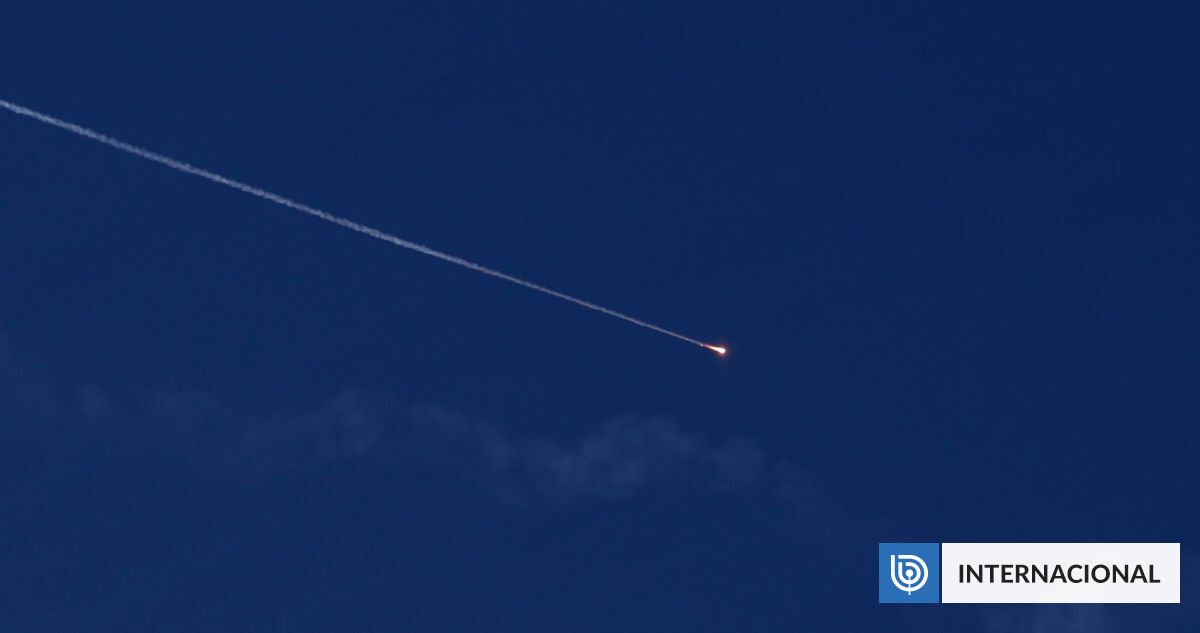
Ankara, Turkey – For the third time in less than ten days, Turkey has reported that a missile launched from Iran was intercepted over its territory by NATO defense systems. The incident, confirmed by the Turkish Ministry of Defence on Friday, March 13, 2026, has further heightened regional tensions amid the ongoing conflict involving Iran, Israel, and the United States. This latest event underscores the increasing risk of escalation and the strain placed on Turkey, a key NATO member bordering Iran.
The Turkish Ministry of Defence stated in a brief communication that it has taken “decisive and unwavering” measures to counter any threat to its territory and airspace. Authorities are currently in consultation with “the relevant country” – understood to be Iran – to clarify all aspects of the incident. While the Ministry did not specify the exact location of the interception, reports indicate that air raid sirens sounded for approximately five minutes near the Incirlik Air Base in Adana, a major city in southern Turkey, at 03:25 local time. Similar alerts were too reported in the eastern city of Batman, approximately 500 kilometers from Adana.
Third Interception Raises Concerns Over Regional Stability
This latest incident marks the third time Turkish airspace has been breached by projectiles originating from Iran. On March 4th, NATO’s defense systems intercepted the first Iranian missile, with debris from the interceptor impacting the Dörtyol district, located 65 kilometers east of Incirlik Air Base. A second missile was intercepted on March 9th, with fragments landing near Gaziantep, 170 kilometers east of the same base, which hosts military personnel from Turkey, Spain, and the United States, among other allied forces. The repeated incursions are testing Ankara’s defenses and prompting increasingly urgent calls for de-escalation.
The escalating situation has prompted strong protests from Ankara to Tehran. However, the Iranian government has consistently denied launching missiles towards Turkish territory. The lack of a clear explanation from Iran is fueling concerns and adding to the already volatile geopolitical landscape. The presence of allied forces at Incirlik Air Base adds another layer of complexity, raising the stakes for all parties involved.
Social Media Reports and Local Alerts
Reports circulating on social media suggest that residents in Adana observed a bright light in the night sky during the alert, potentially indicating the interception of the missile. One user on X (formerly Twitter), @av_06_corum, posted about the incident, claiming a missile was fired towards Adana, and criticizing those dismissing the reports as disinformation.
🚨SON DAKİKA | MSB: İRAN, TÜRKİYE’YE FÜZE ATTI!
— Gece saat 03.35’te #Adana’ya İran tarafından balistik füze atıldığı ortaya çıktı!
Geceden beri “dezenformasyon, yapay zeka, kurgu” diyenler neredesiniz? Dilinizi mi yuttunuz? İnsanların doğru bilgilenme hakkına saldıramazsınız!… pic.twitter.com/4zNJNUEBpw
— Cemil Çiçek (@av_06_corum) March 13, 2026
The Turkish government has not yet released detailed information regarding the type of missile intercepted or the specific trajectory it followed. However, the repeated nature of these incidents suggests a pattern of escalating tensions and a potential miscalculation on the part of one or more actors. The Turkish Ministry of Defence has emphasized its commitment to protecting its airspace and territory, stating that all necessary measures are being taken.
NATO Response and Regional Implications
The involvement of NATO’s defense systems in intercepting these missiles highlights the alliance’s commitment to protecting its member states. The systems utilized are reportedly stationed in the Eastern Mediterranean, demonstrating NATO’s forward deployment in response to the evolving security situation. This incident will likely prompt further discussions within NATO regarding bolstering defenses in the region and coordinating a unified response to potential future threats. The repeated interceptions also raise questions about the effectiveness of Iran’s targeting and the potential for accidental escalation.
The broader implications of these events extend beyond Turkey’s borders. The conflict between Iran and its regional adversaries, including Israel and the United States, is already having a significant impact on global energy markets and trade routes. Further escalation could lead to a wider regional war, with potentially devastating consequences. The situation is being closely monitored by international observers, who are urging all parties to exercise restraint and engage in diplomatic efforts to de-escalate tensions. The closure of the Strait of Hormuz, as reported by financial news sources, is adding to the economic pressures and uncertainty.
Turkey’s Position and Diplomatic Efforts
Turkey finds itself in a delicate position, balancing its relationships with both Iran and its NATO allies. As the second-largest army within NATO and a direct neighbor of Iran, Turkey has a vested interest in maintaining regional stability. While Ankara has strongly protested the missile launches to Tehran, it has also refrained from issuing overly aggressive statements, likely in an effort to keep diplomatic channels open. Turkey has not indicated any intention of formally requesting additional protection from its NATO allies, but the recent events are likely to prompt a reassessment of its defense posture.
The Turkish government has consistently called for a peaceful resolution to the conflict and has offered to mediate between the parties involved. However, the lack of progress in diplomatic efforts and the continued escalation of tensions are raising concerns about the prospects for a swift and lasting peace. The situation remains fluid and unpredictable, and the risk of further incidents remains high. The Turkish Ministry of Defence has confirmed that consultations with Iranian officials are ongoing, aimed at clarifying the circumstances surrounding the latest missile launch.
The repeated incidents involving Iranian missiles and Turkish airspace underscore the urgent need for de-escalation and a renewed commitment to diplomatic solutions. The international community must work together to prevent a wider regional conflict and to ensure the safety and security of all nations in the area. The situation demands careful consideration and a proactive approach to prevent further escalation and protect regional stability.
As of this reporting, the Turkish Ministry of Defence is expected to provide a further update on the situation within the next 24 hours. World Today Journal will continue to monitor developments closely and provide timely and accurate reporting on this evolving story. We encourage readers to share their thoughts and perspectives in the comments section below.